Ingredient
Advocaat
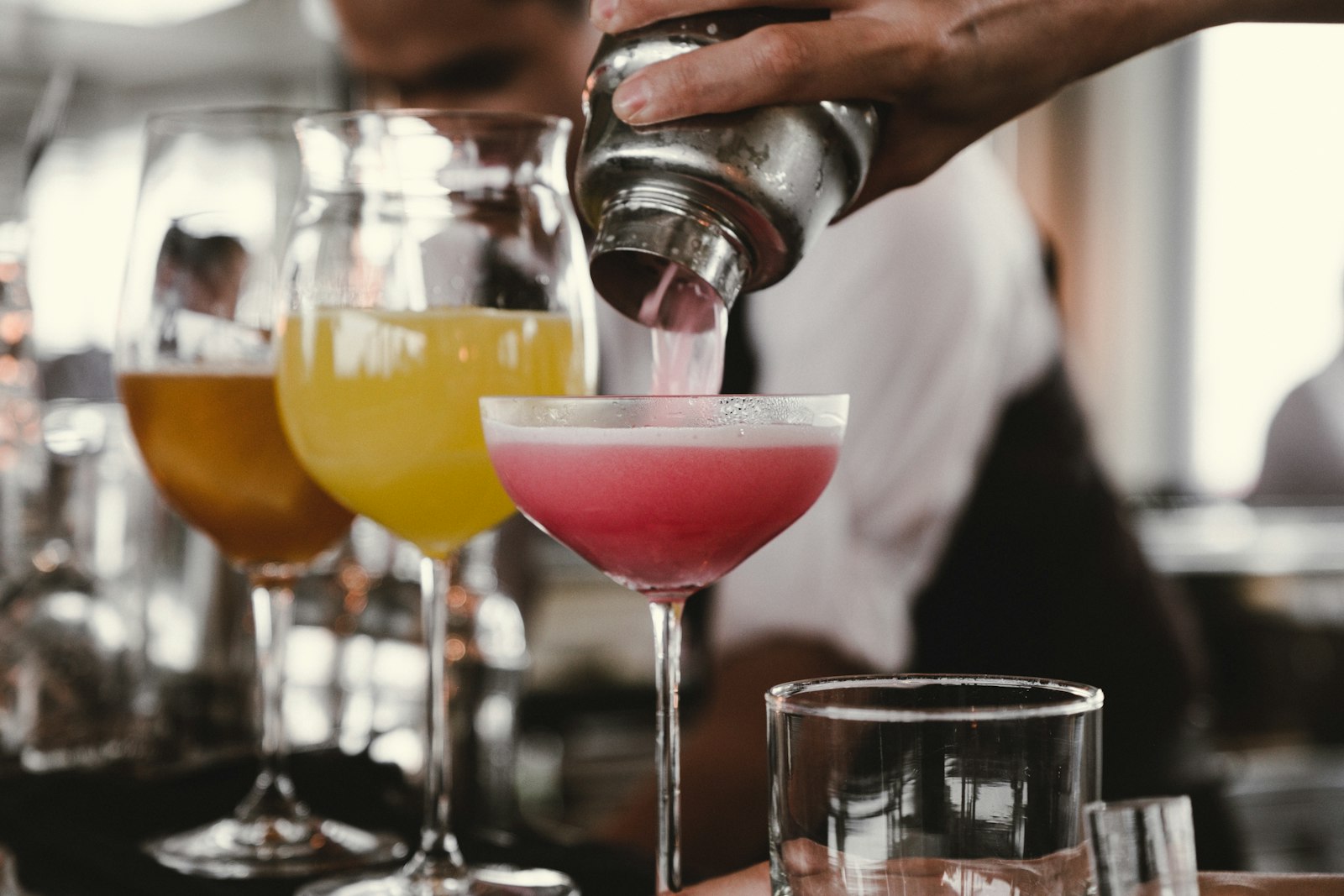
A thick Dutch yellow liqueur of eggs, sugar and brandy - the heart of a snowball, a bombardino, or Dutch winter custards.
Ingredients
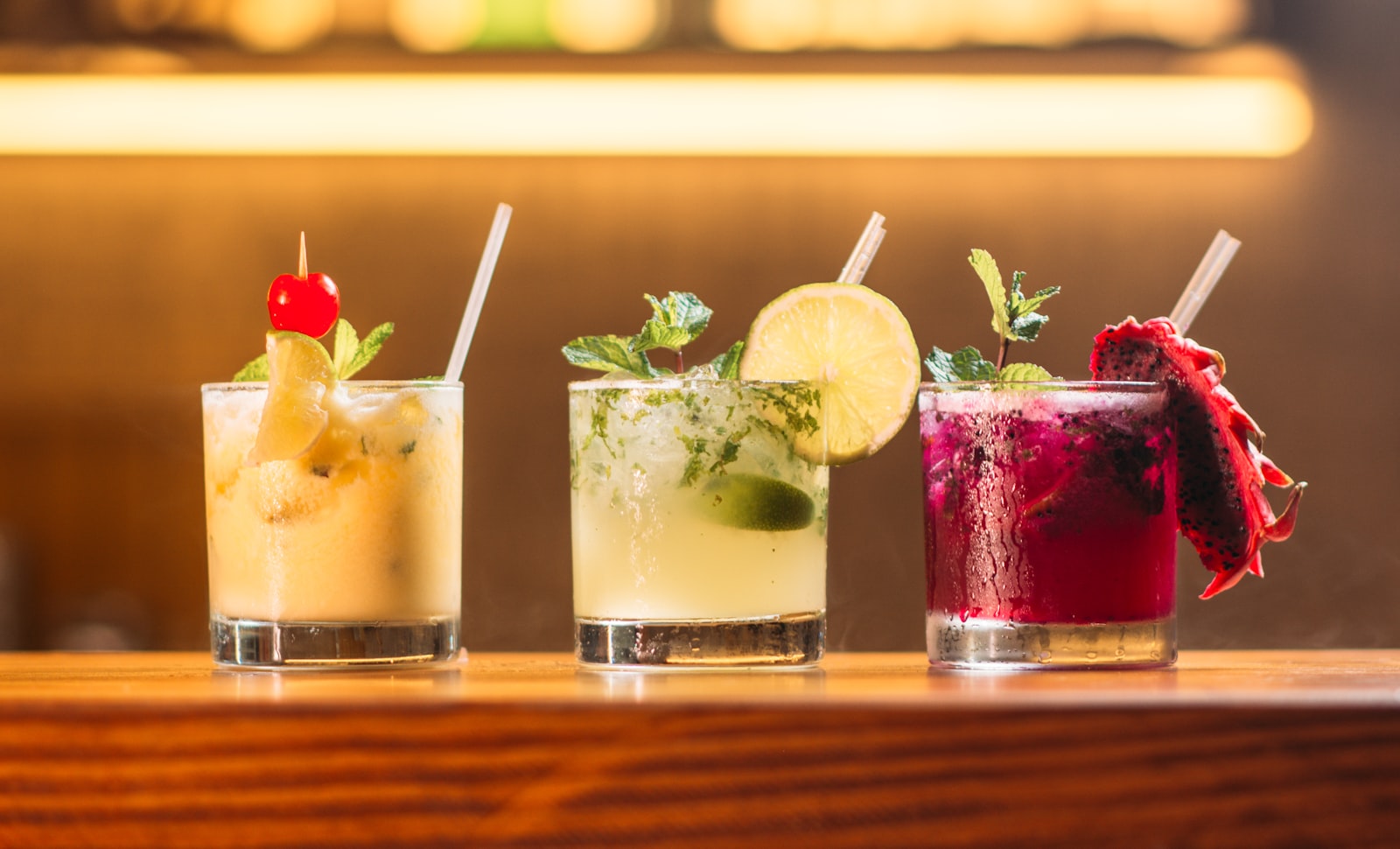
The flavours that define the season — warming spices, orchard fruit, citrus and spirits. Learn how each one behaves in a glass and where it shines.
A thick Dutch yellow liqueur of eggs, sugar and brandy - the heart of a snowball, a bombardino, or Dutch winter custards.
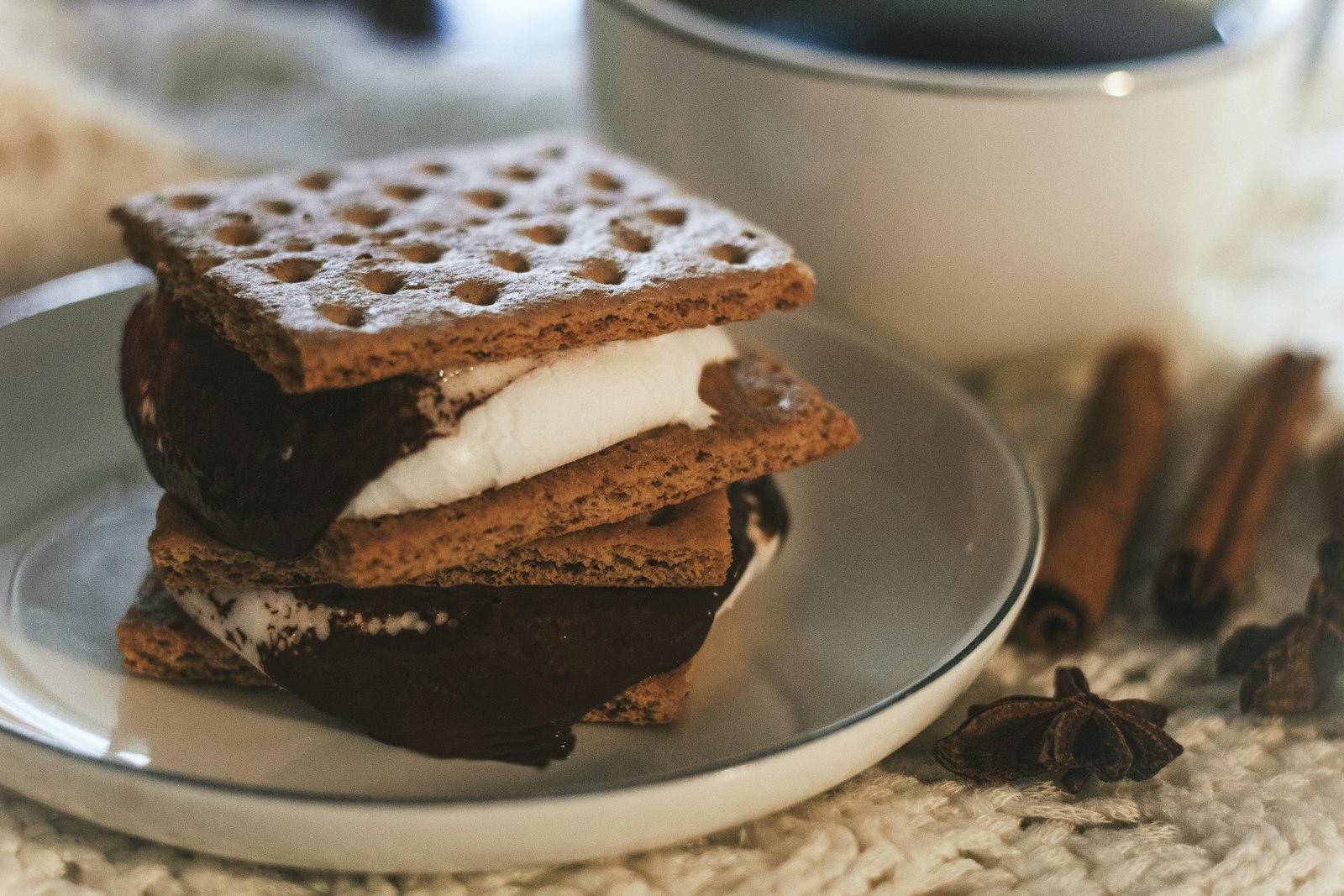
A single dried berry that tastes of cinnamon, clove and nutmeg at once - the workhorse of Caribbean rum punches and many spiced bitters.

The orchard fruit at the heart of winter cider and apple-spice serves - crisp, comforting and endlessly adaptable in warm drinks.

American whiskey with sweet-corn body and oak-vanilla edges - the spirit of choice for spiced old fashioneds, milk punches and bourbon-cranberry serves.
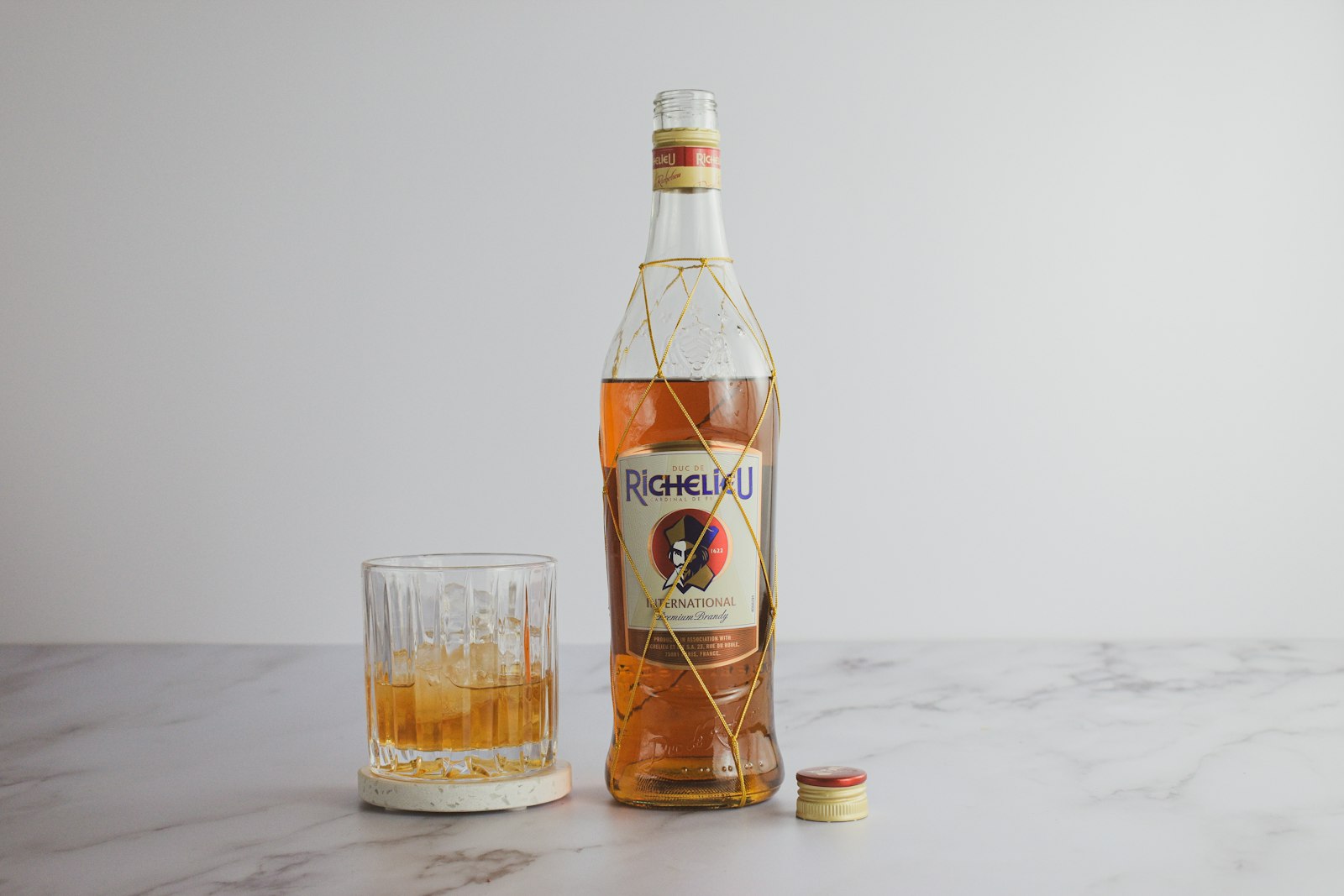
Grape brandy or Cognac - the European answer to bourbon in warm winter serves, with stone-fruit depth and a softer oak signature.
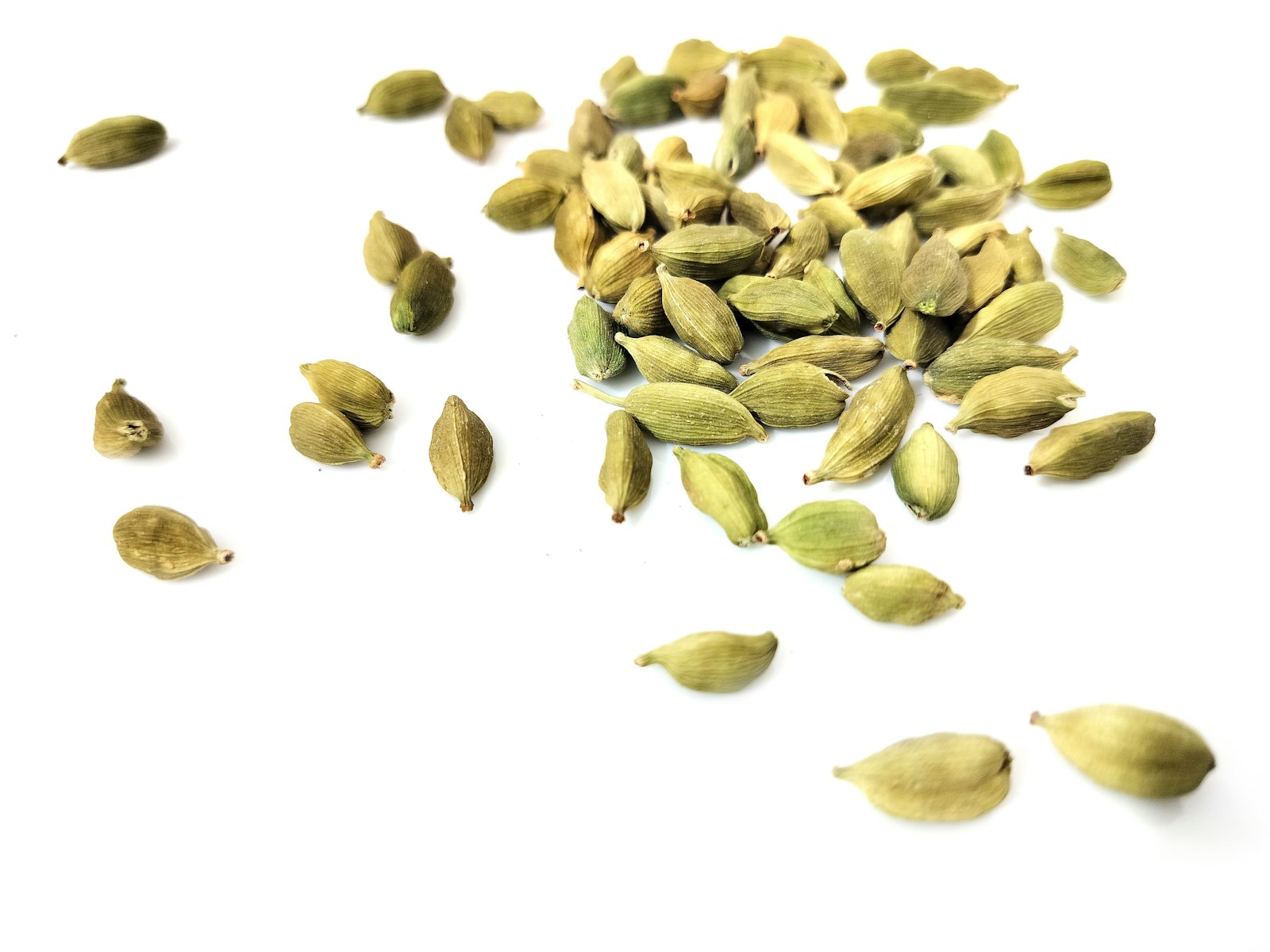
A small green pod with a fragrant, slightly camphorous warmth - gin, coffee and chai all gain depth with a couple lightly bruised.

The serious sparkling wine - for proper champagne cocktails, French 75s and seasonal punches when the occasion is asking for it.
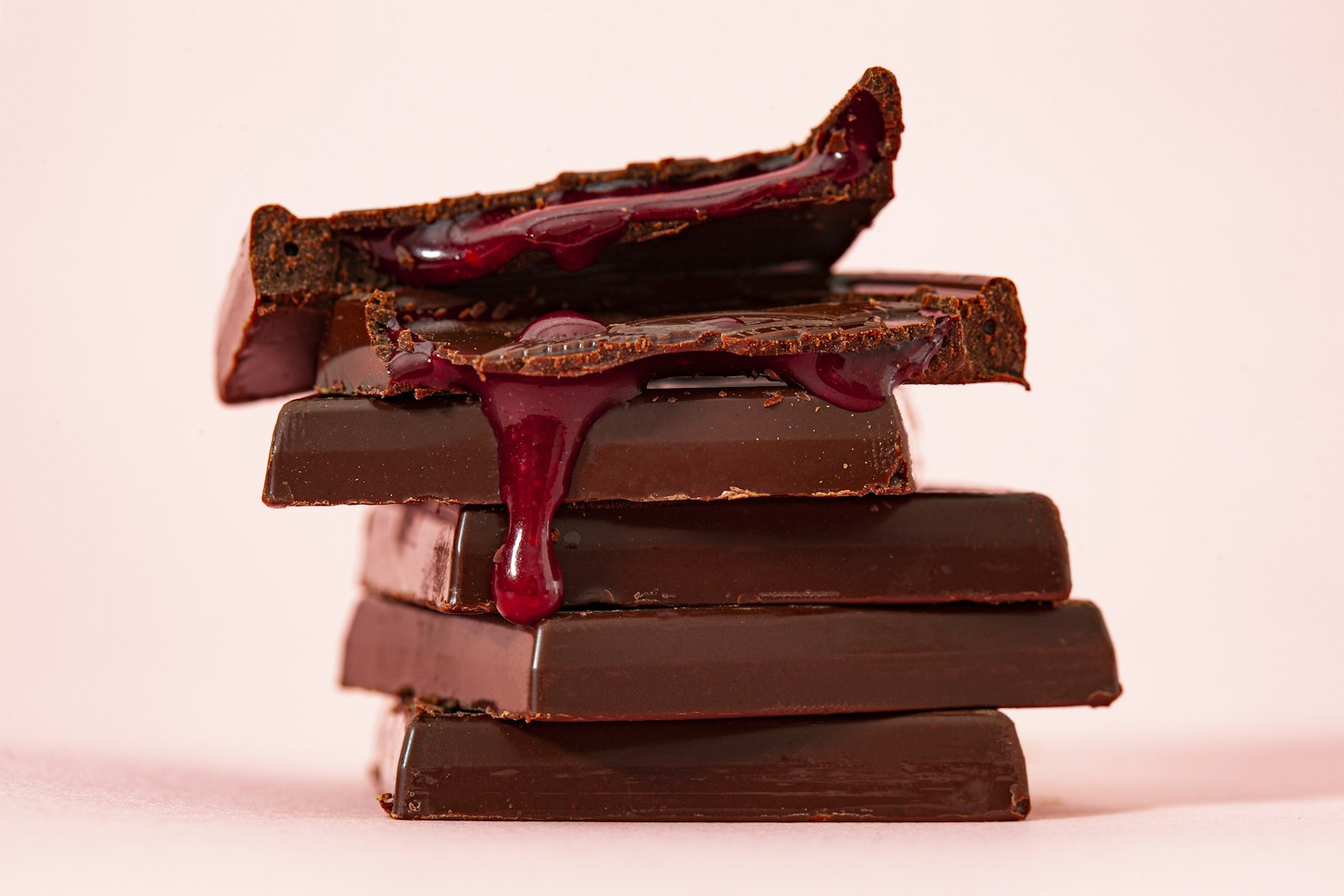
Real dark chocolate, melted into hot milk or cream - the basis of every spiked hot chocolate that has ever earned the name.
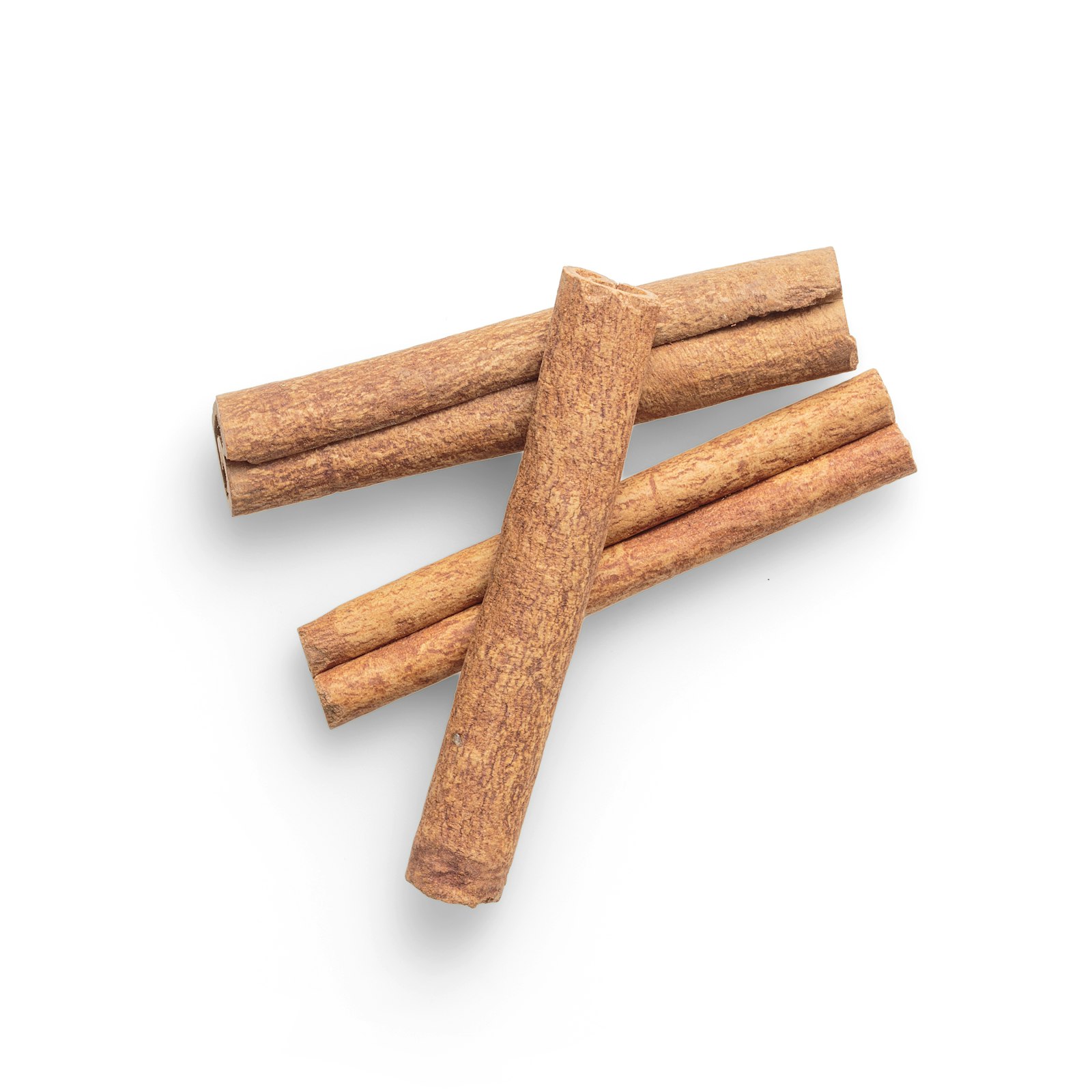
The defining aroma of winter drinks - a warming, sweet-woody spice that signals the season the moment it hits a warm glass.
A potent winter spice - used sparingly because a little goes a long way, but indispensable to mulled wine, glühwein and Smoking Bishop.
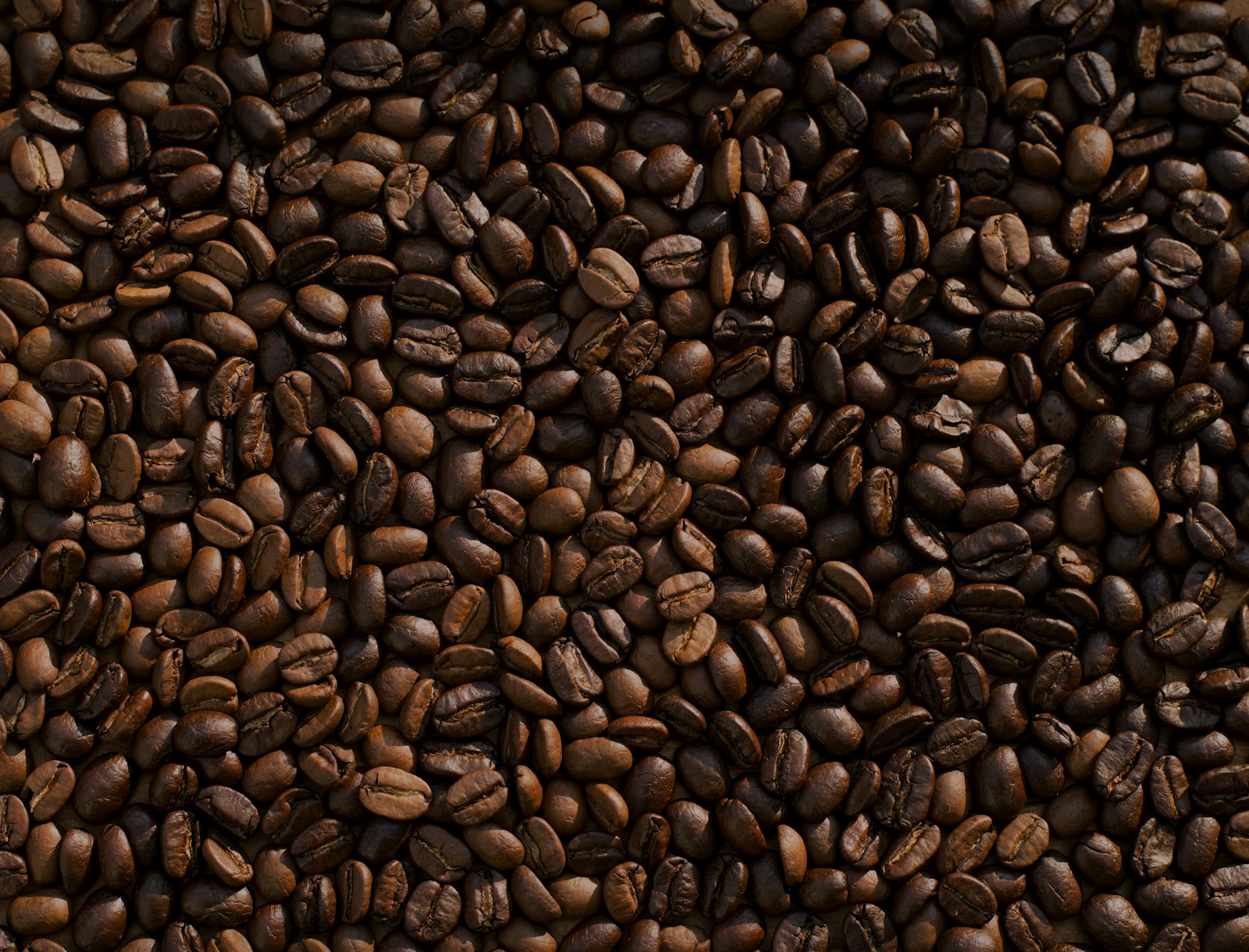
Strong, hot and ideally fresh - for Irish coffee, espresso martinis, cafe fertig and the small grown-up end of the winter cocktail world.
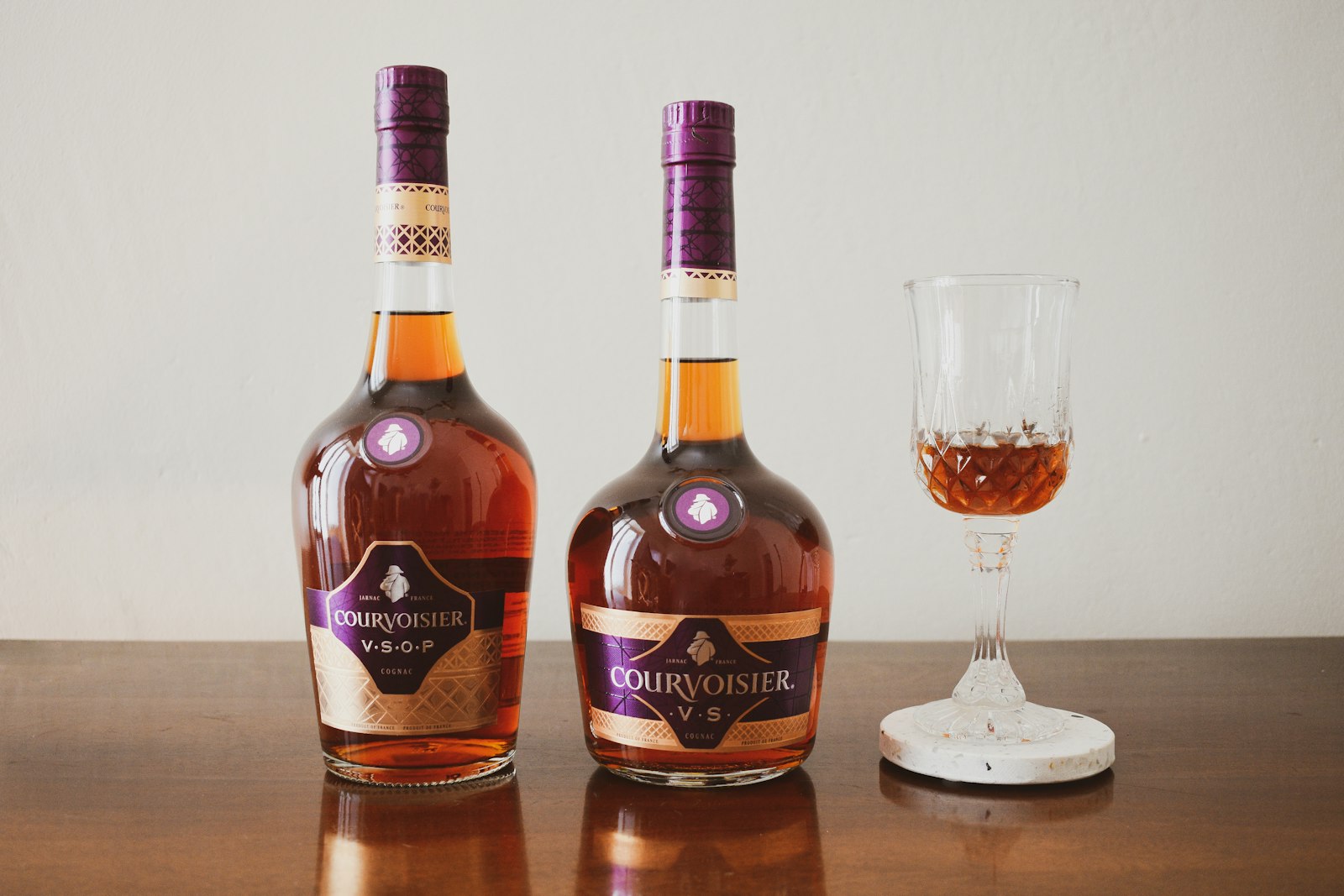
A French grape brandy aged in oak - silky, floral and indispensable in a Smoking Bishop, a champagne punch or a warm toddy at the end of a long evening.
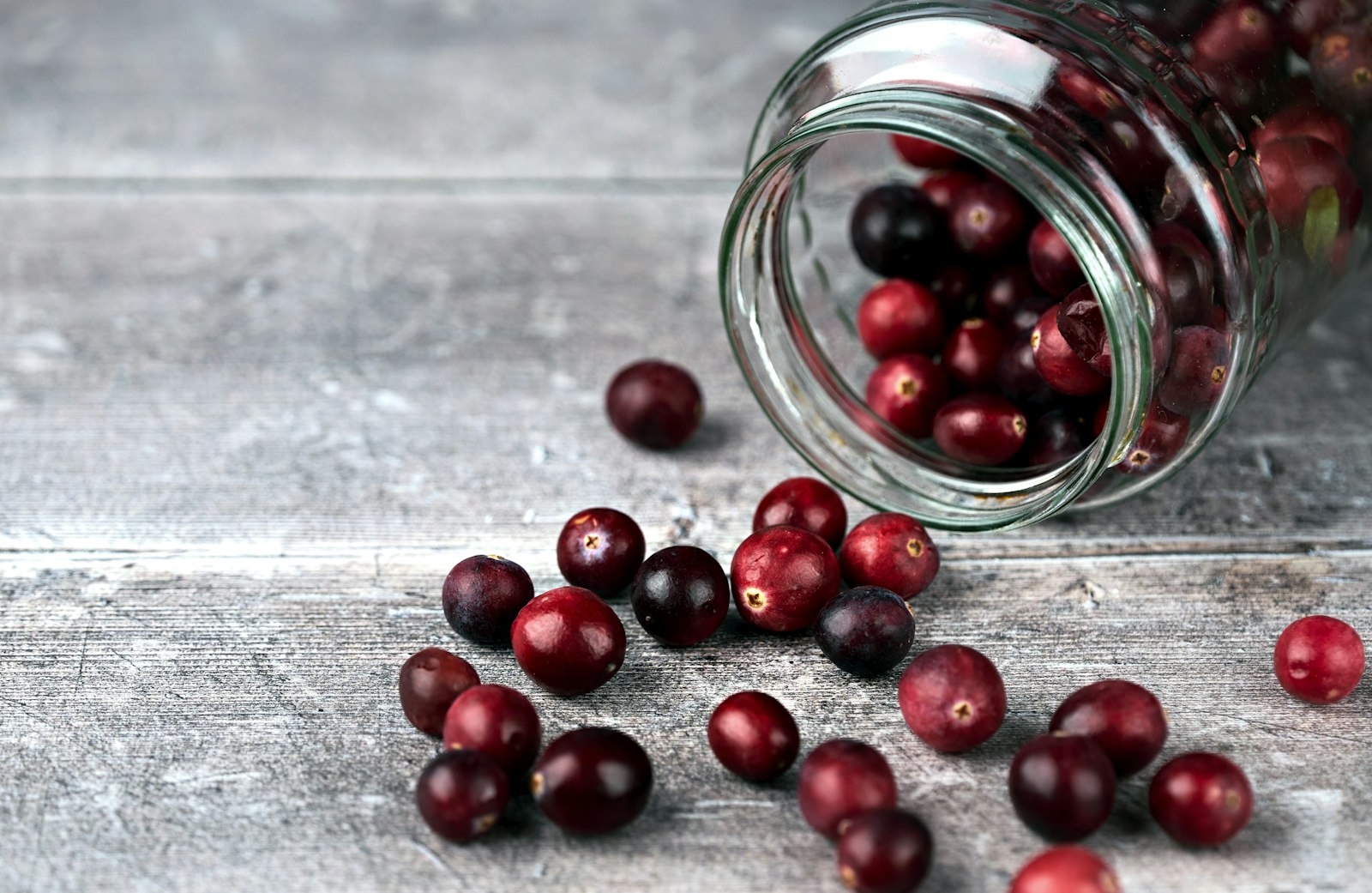
Fresh or juiced, cranberry brings tart winter brightness and that unmistakable seasonal red - used in mulled drinks, mules and Christmas-table cocktails.
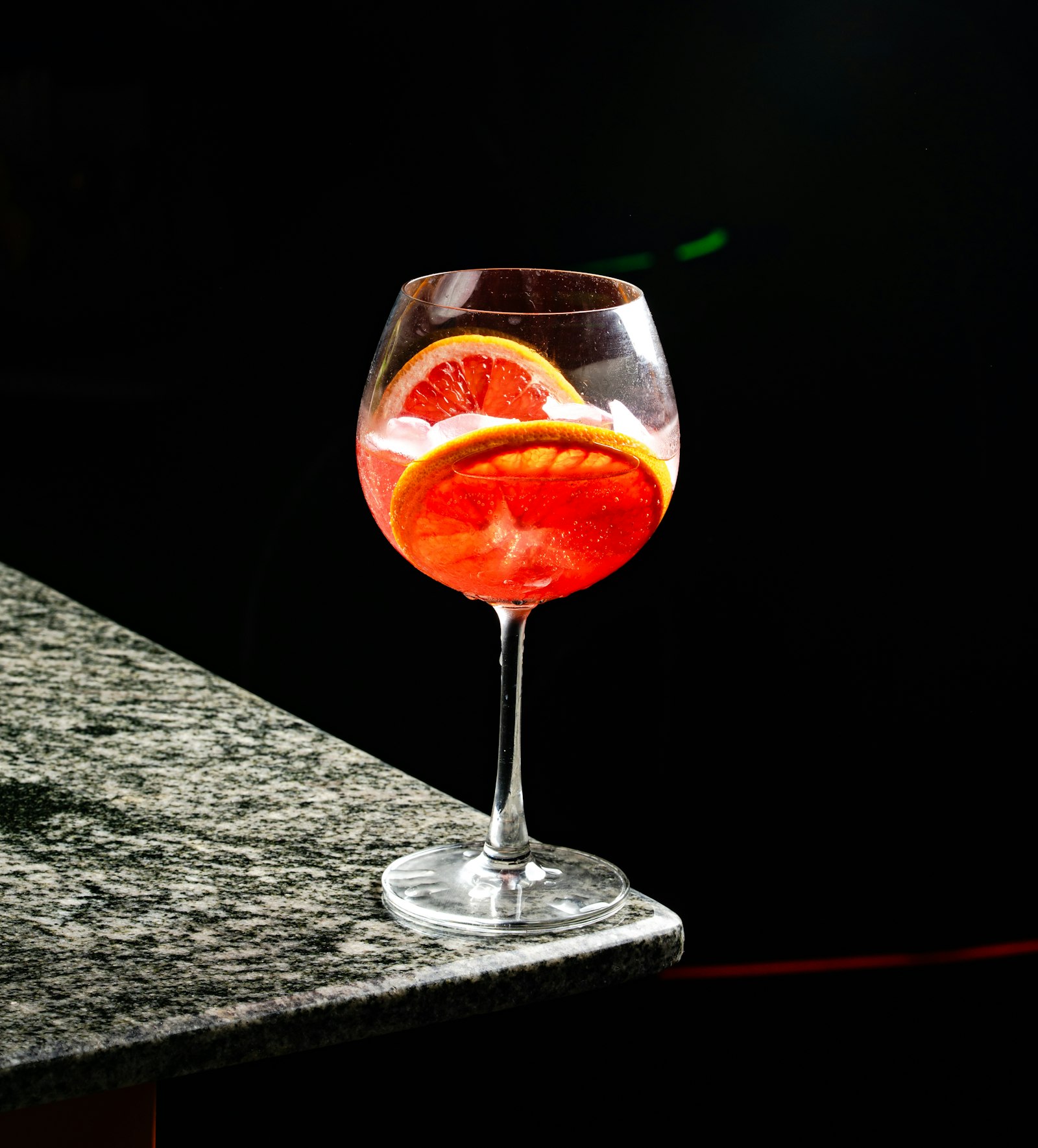
A juniper-led spirit whose botanicals bloom gently when warmed - the backbone of a new wave of spirit-forward winter serves.
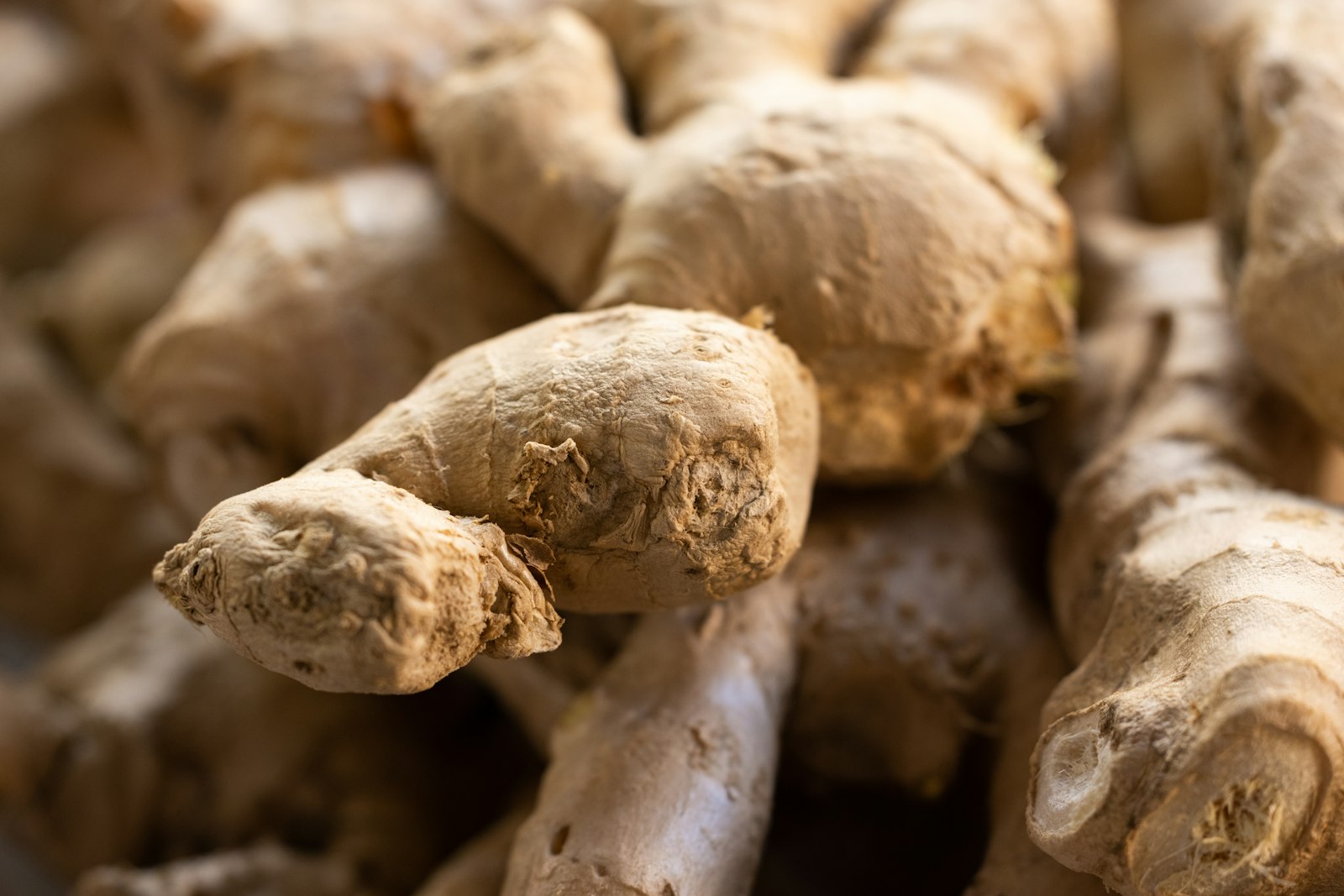
Fresh root for warm, dry-spiced edges; ground for baking-spice depth - ginger is the secret behind a good hot toddy and a winter mule.
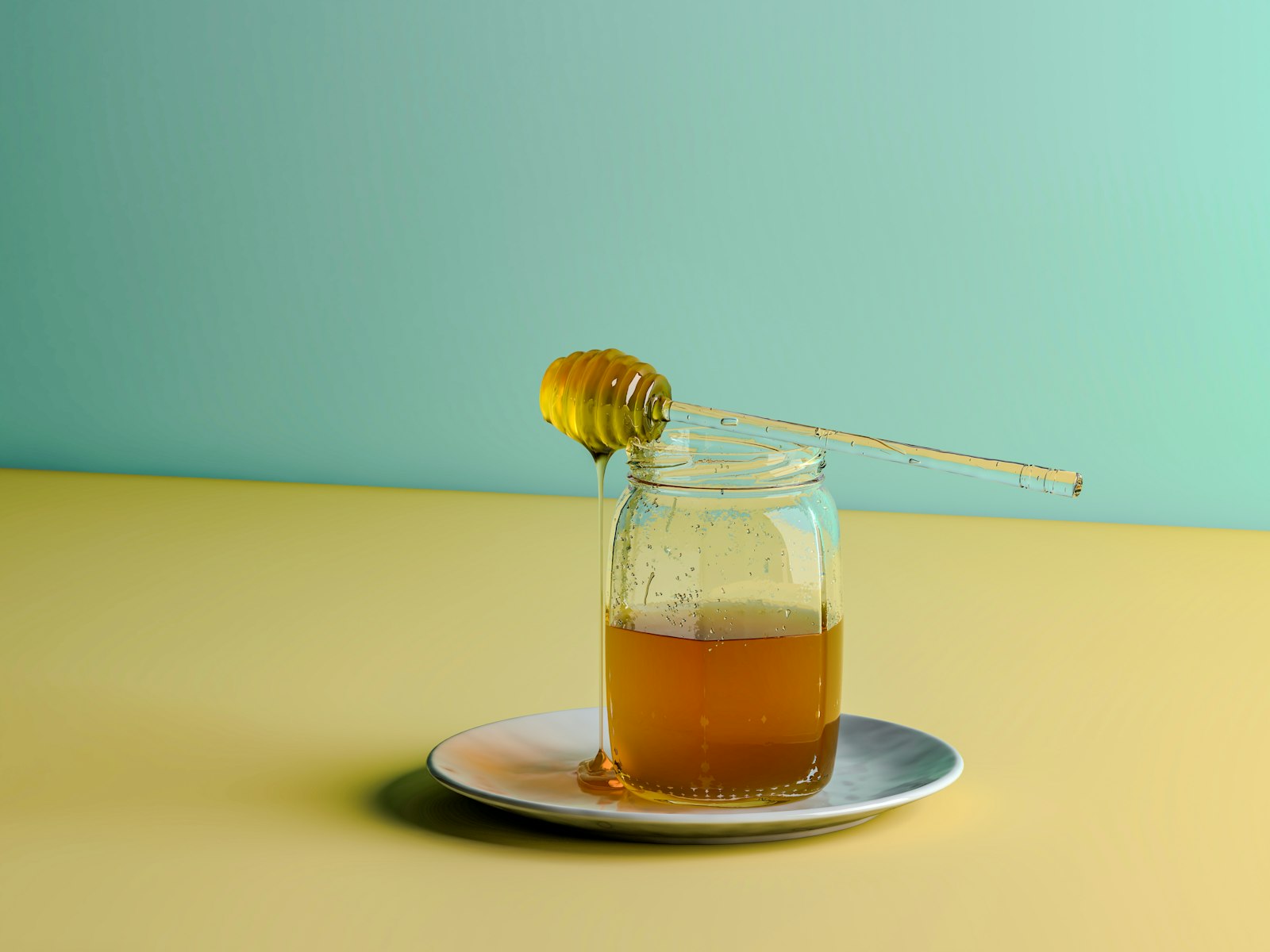
The original cocktail sweetener - body and floral character that sugar cannot match, and the heart of every hot toddy worth drinking.
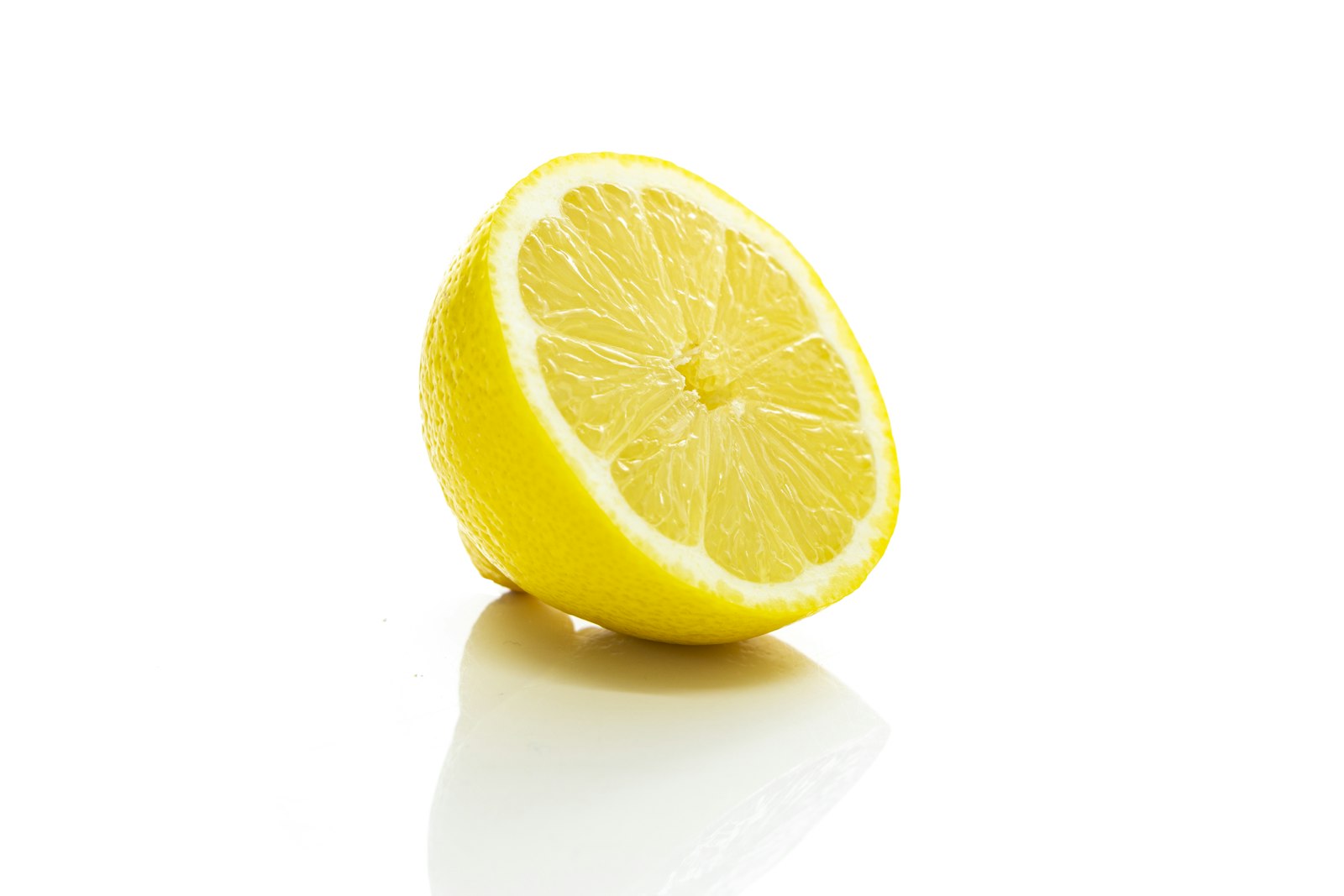
The acid backbone of half the cocktail canon - fresh lemon juice and a length of peel are non-negotiable in toddies, sours and mulled drinks.
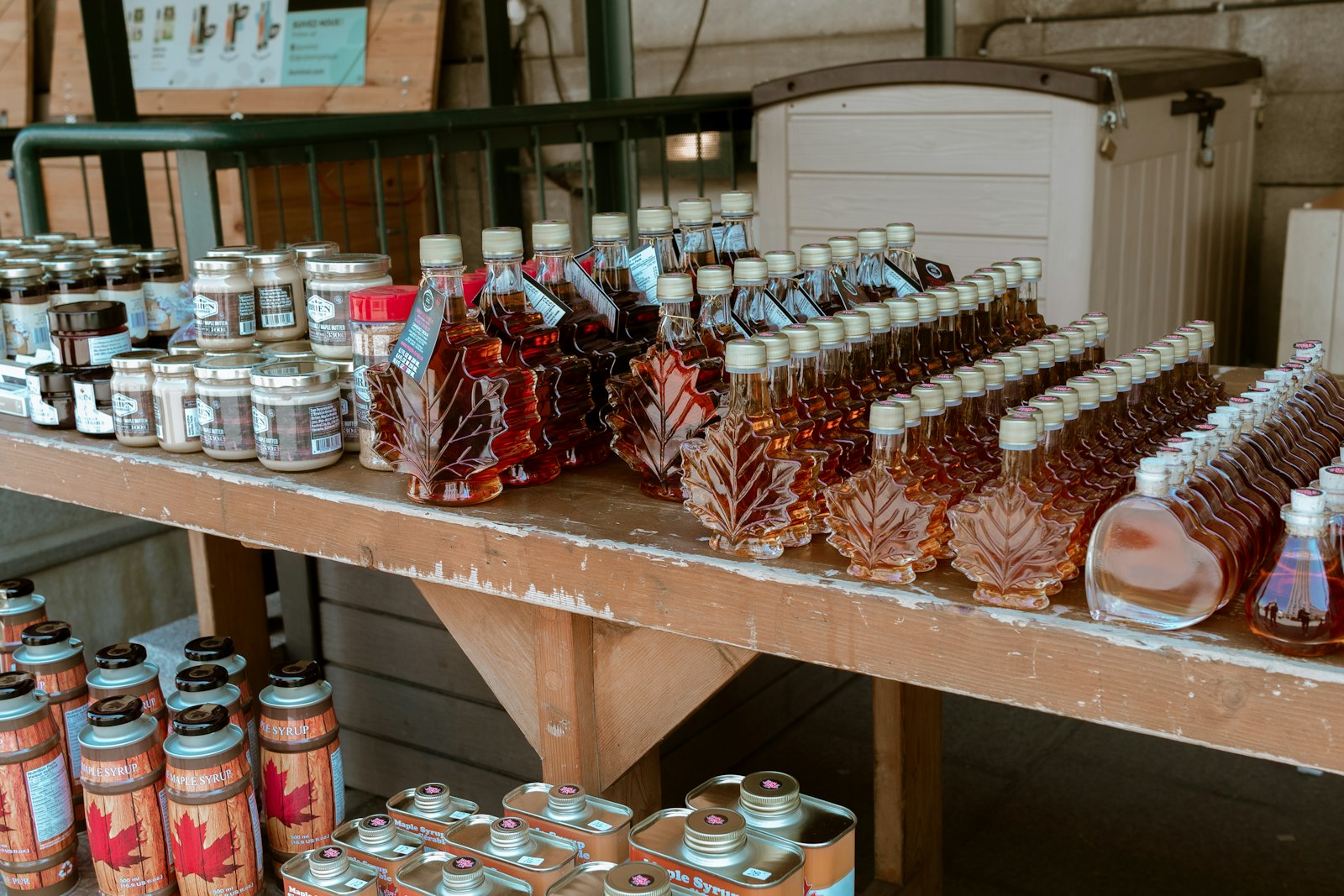
A grade-A or amber maple syrup brings woodsy sweetness and depth to bourbon, rye and warm whisky serves.
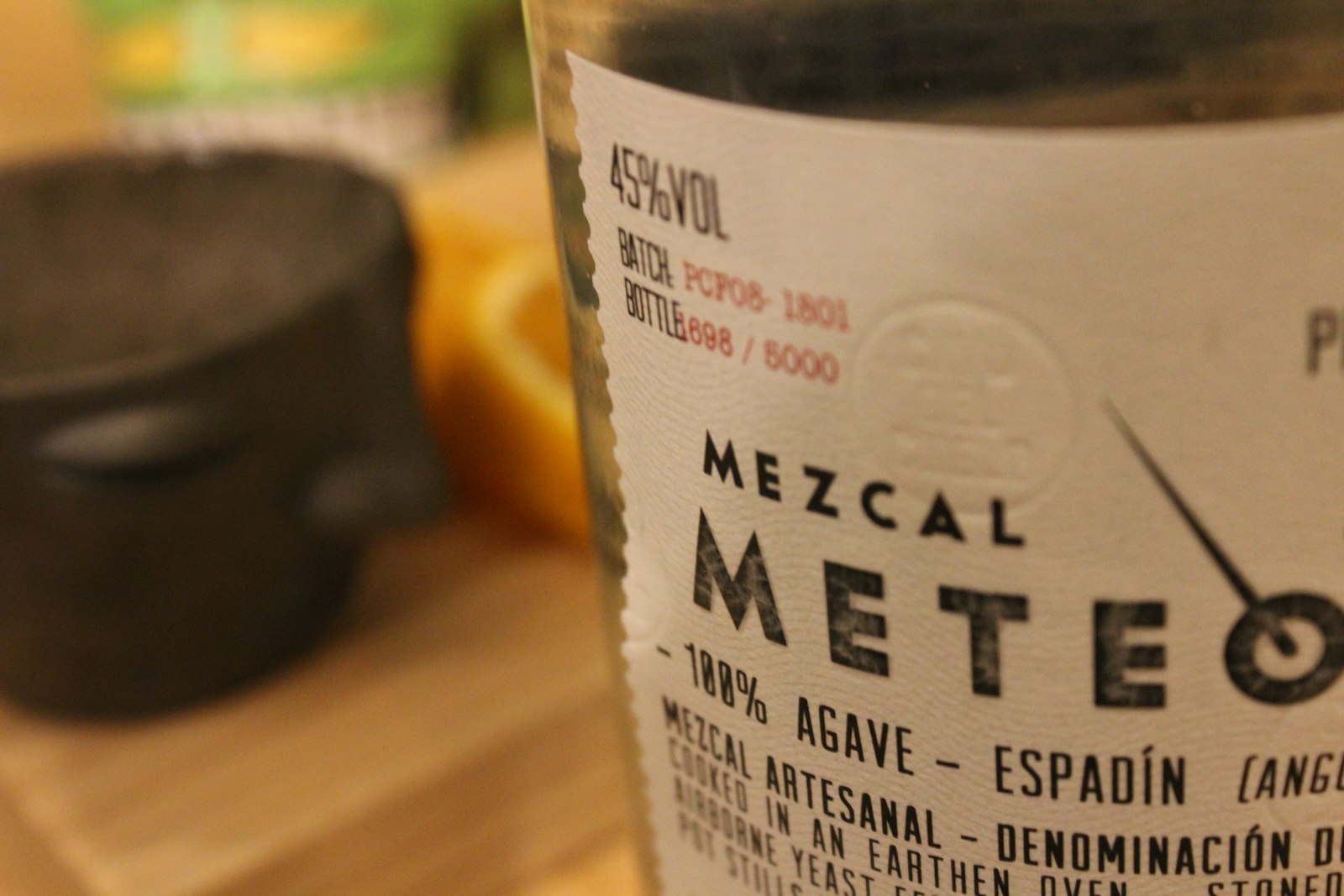
A smoky agave spirit - Tequila's rougher Mexican cousin, surprisingly at home in a warmed winter cocktail with citrus and honey.
A warm-sweet baking spice grated fresh over eggnog, hot buttered rum and any creamy winter serve that wants finishing.
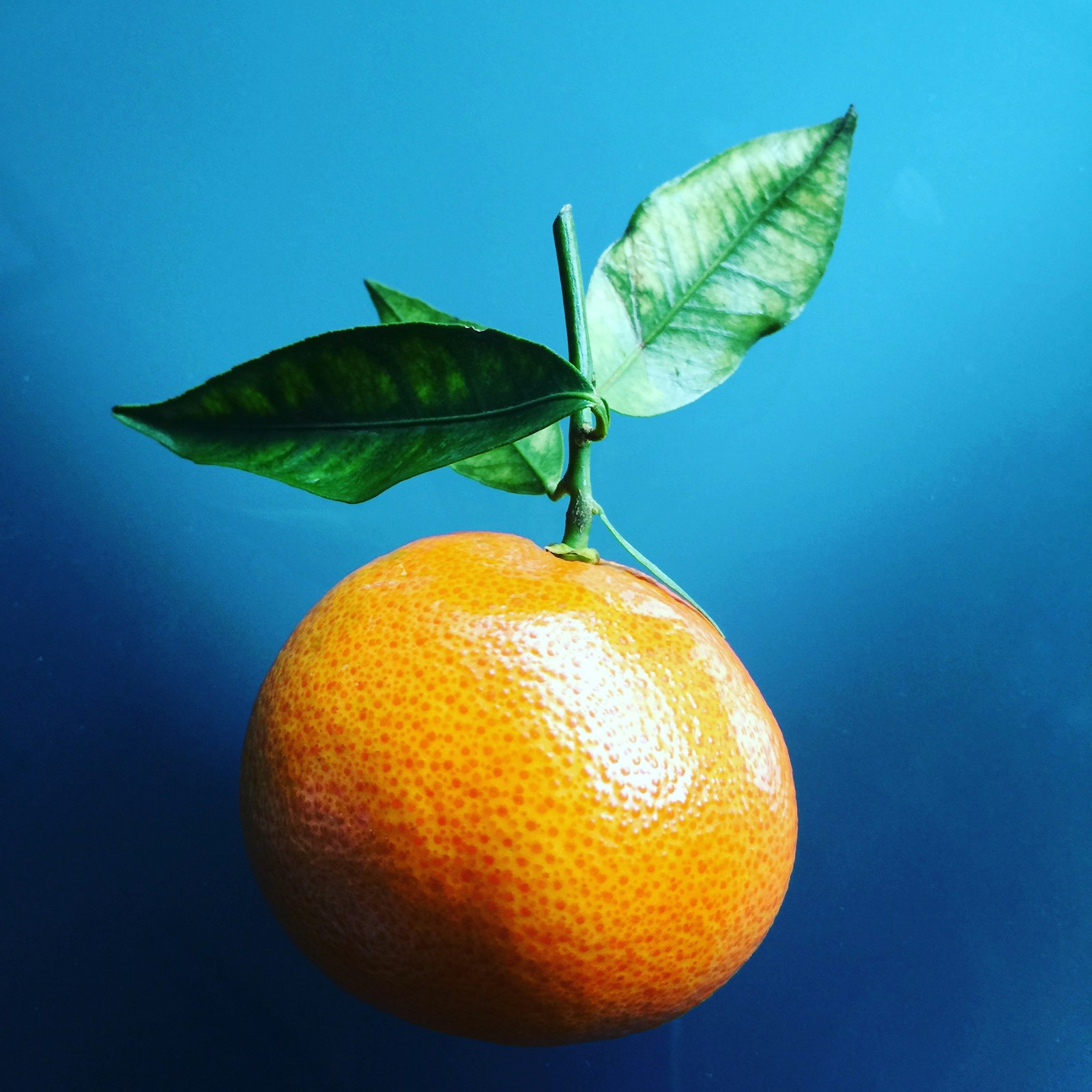
The bright, fragrant lift in heavy winter drinks - citrus oils in the peel and juice that cut through sweetness and spice.
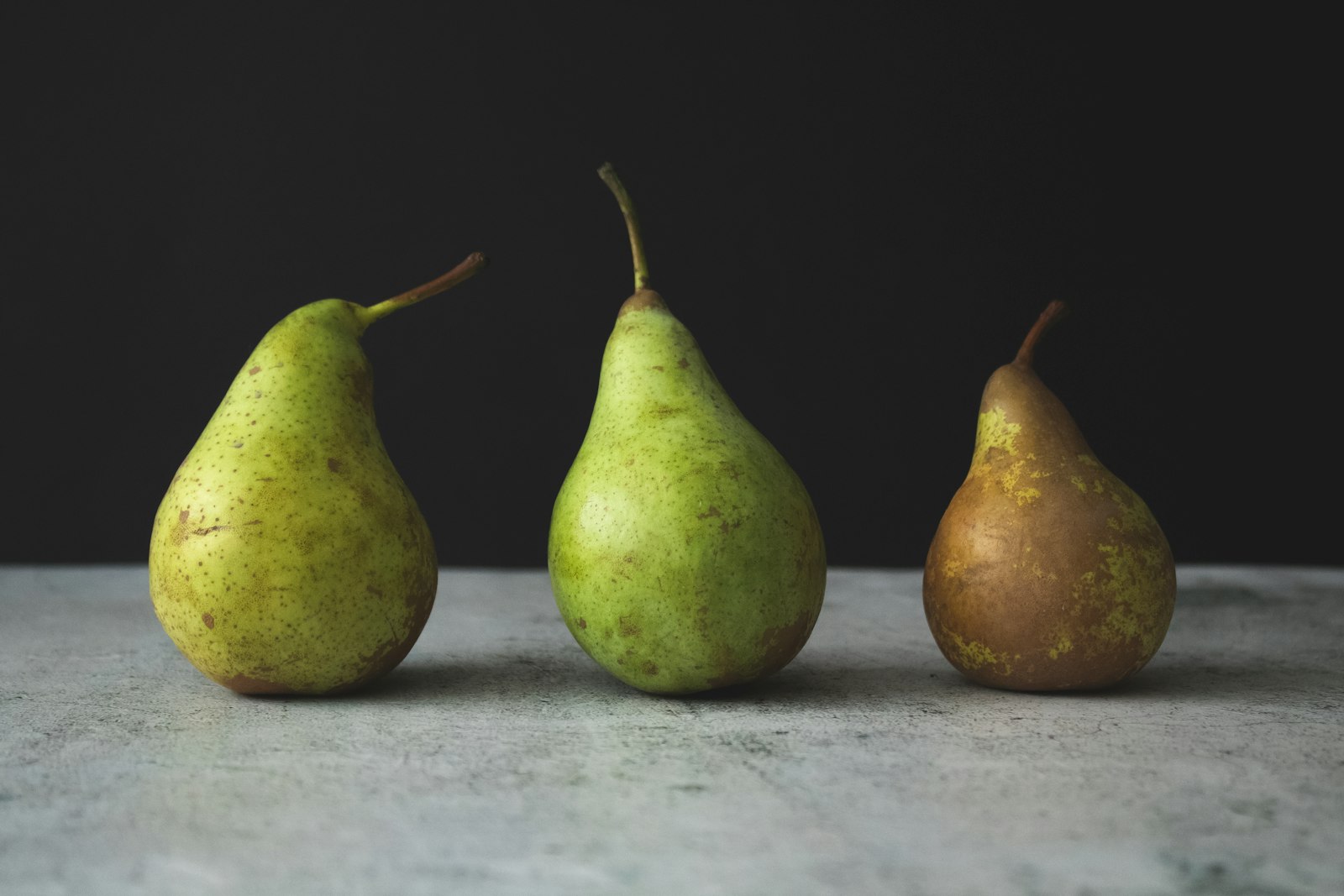
Pear juice, pear brandy or a poached slice - a softer, more grown-up alternative to apple in winter serves.
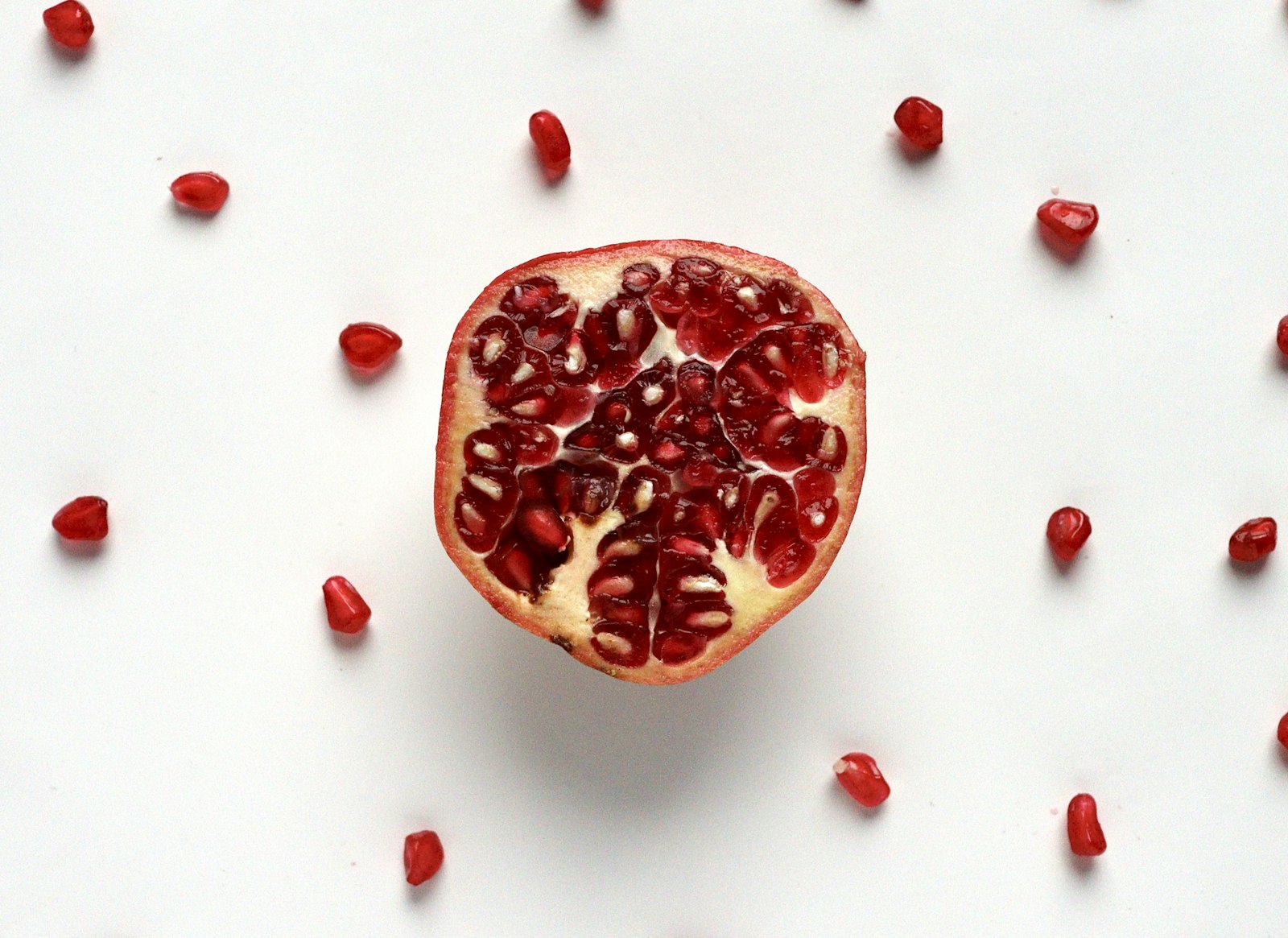
Fresh seeds for jewelled garnish, juice or grenadine for that deep ruby colour - pomegranate is the most photogenic winter cocktail fruit.
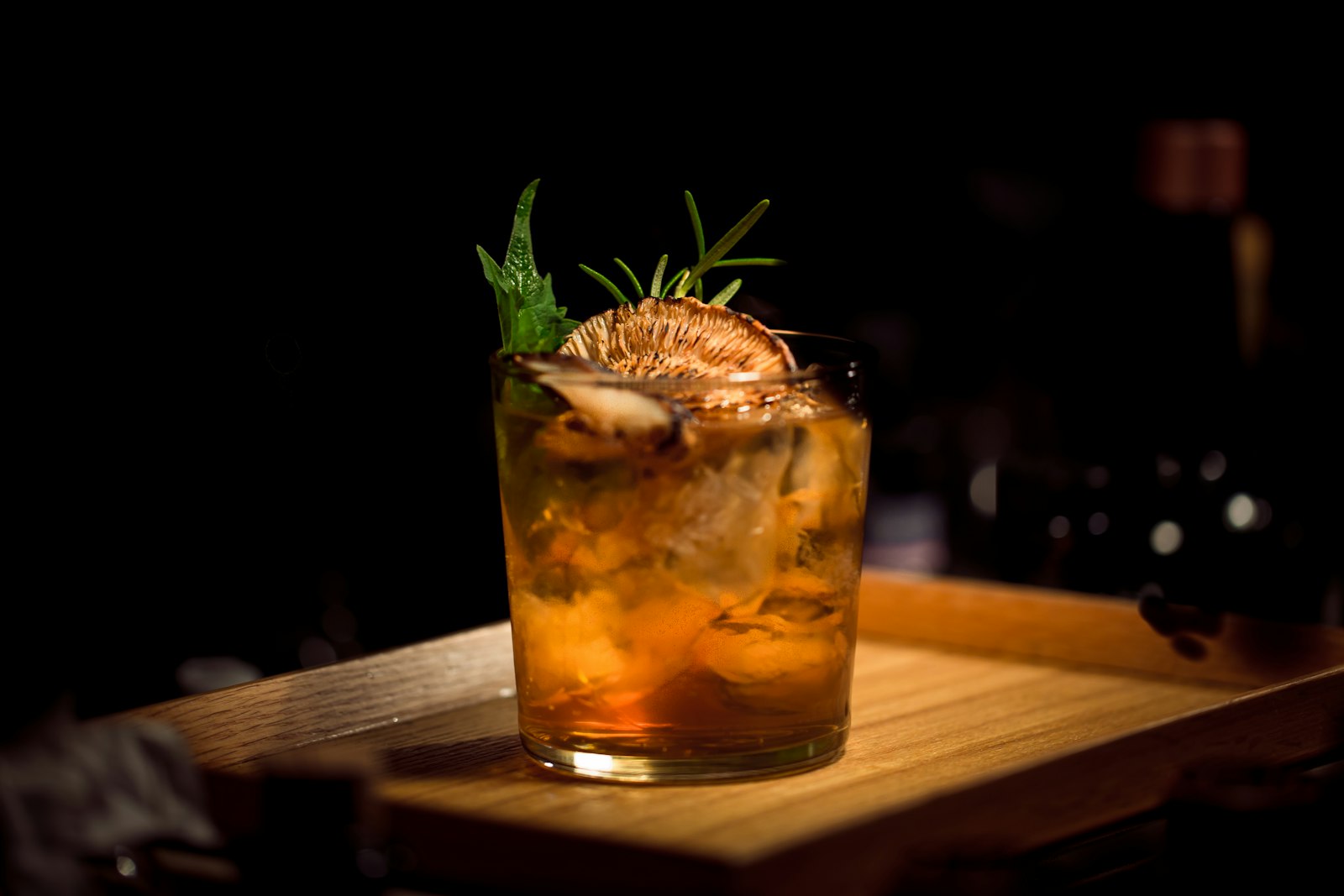
A fortified Portuguese wine - ruby, tawny or vintage. Warmed with citrus and spice it becomes the Smoking Bishop and the soul of mulled port.
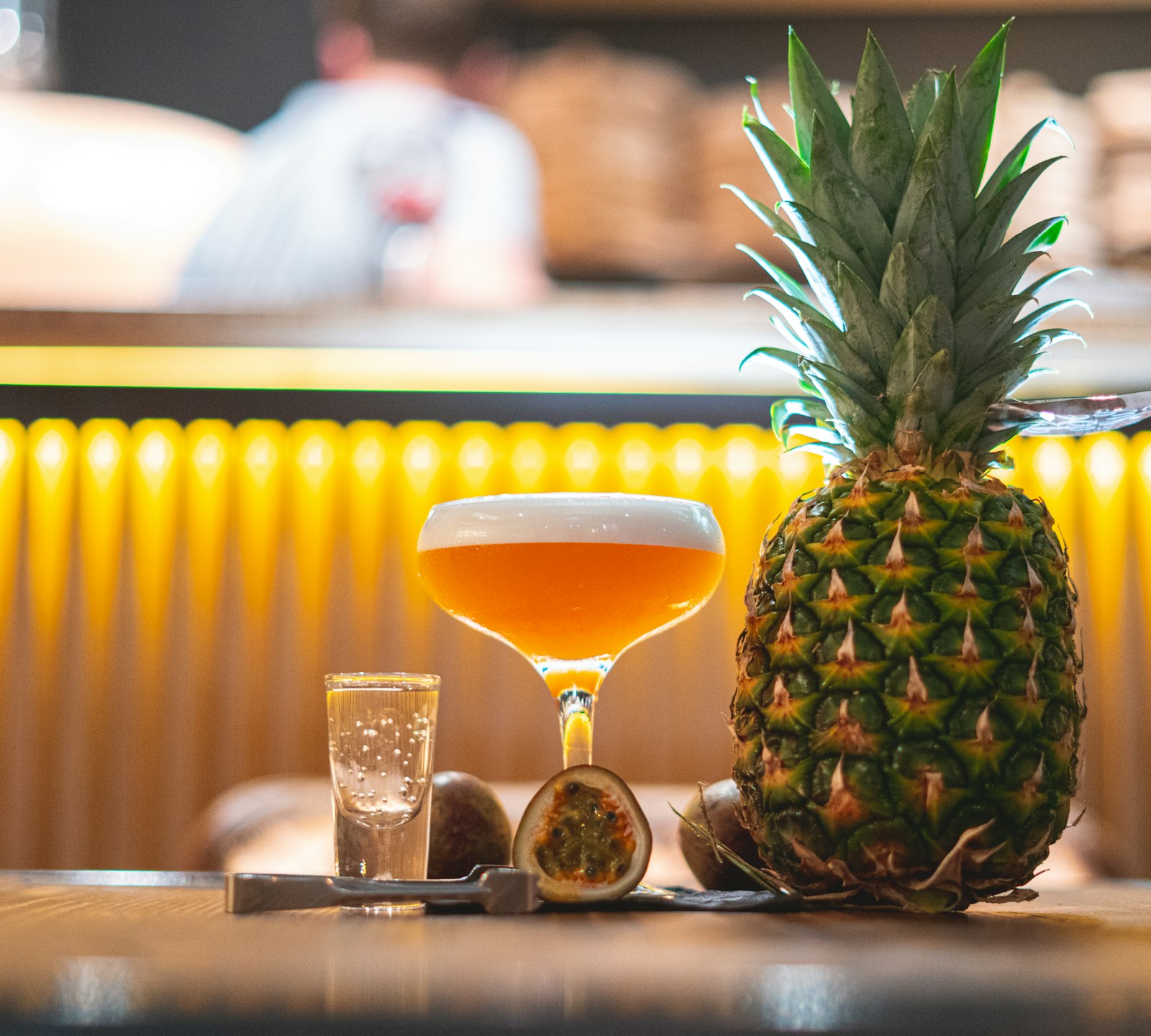
A dry, floral Italian sparkling wine - the cold lift that finishes a winter spritz or a champagne punch on a budget.
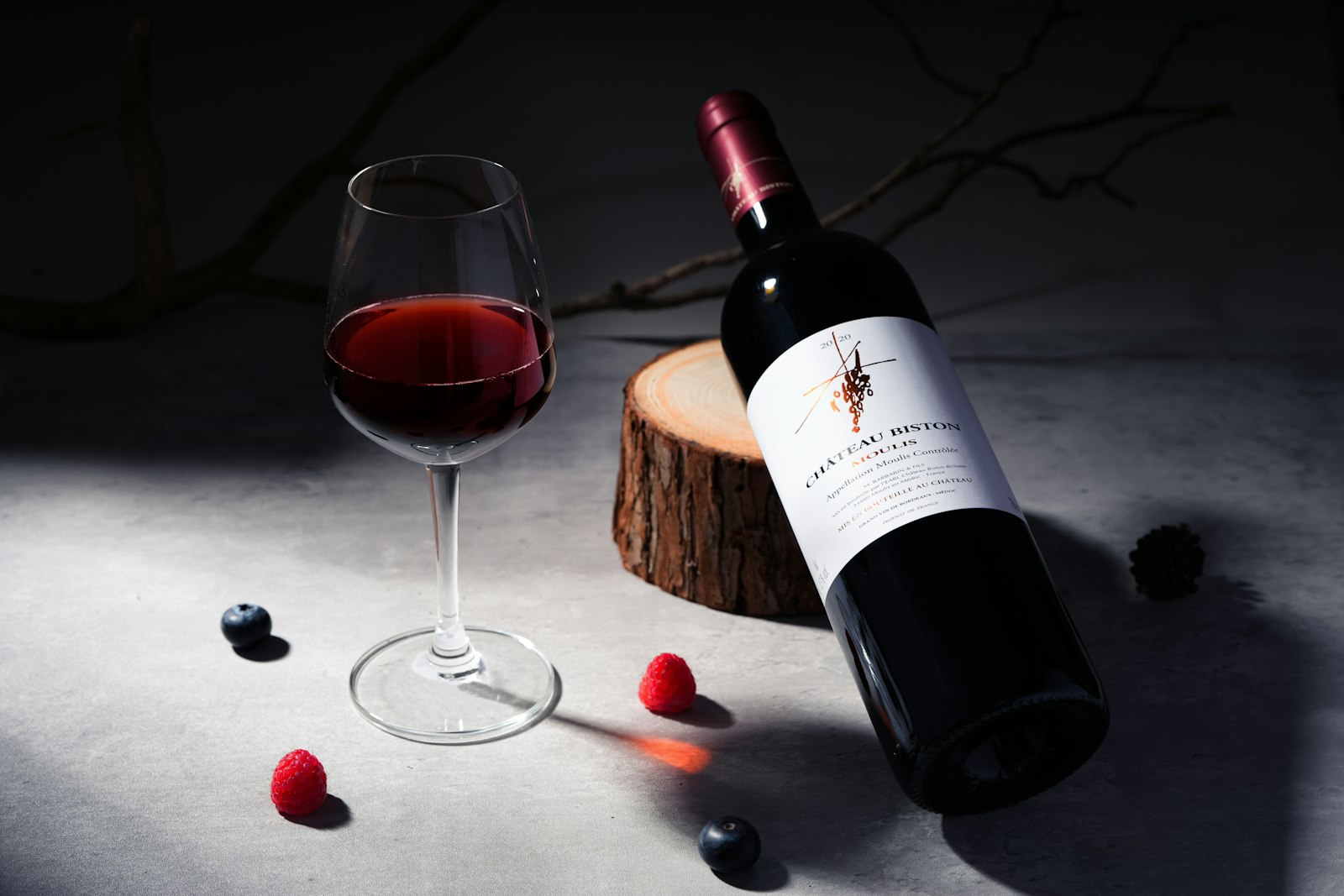
The base of glühwein and mulled wine - a fruity, medium-bodied red that carries spice and sweetness when warmed with care.

Aged or spiced rum brings molasses depth and warm-spice character to buttered rum, mulled cider and the entire Caribbean end of the winter canon.
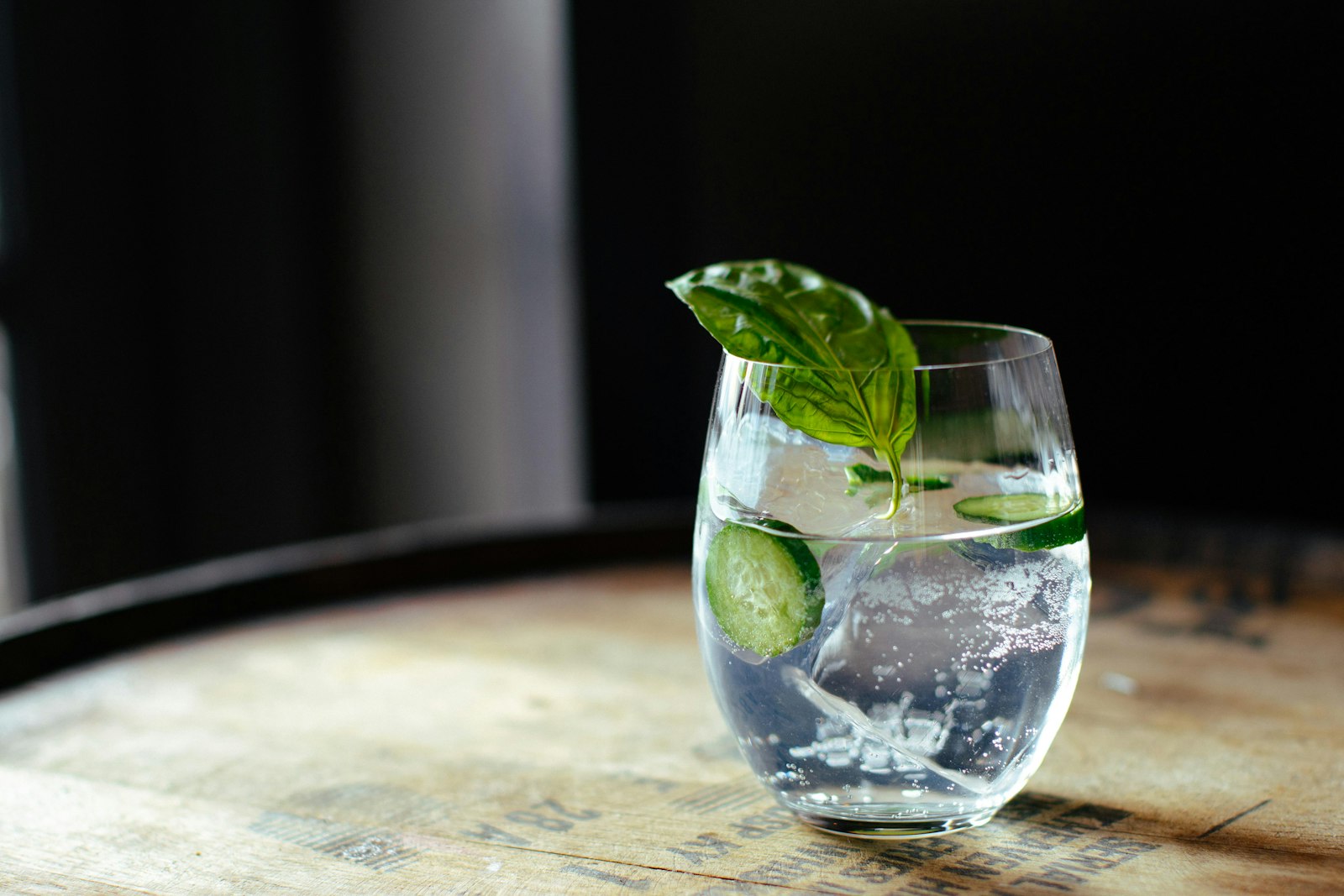
A lightly sweet, ruby-tinted gin liqueur made by steeping sloes - naturally autumnal, and a quietly excellent warm-cocktail ingredient.
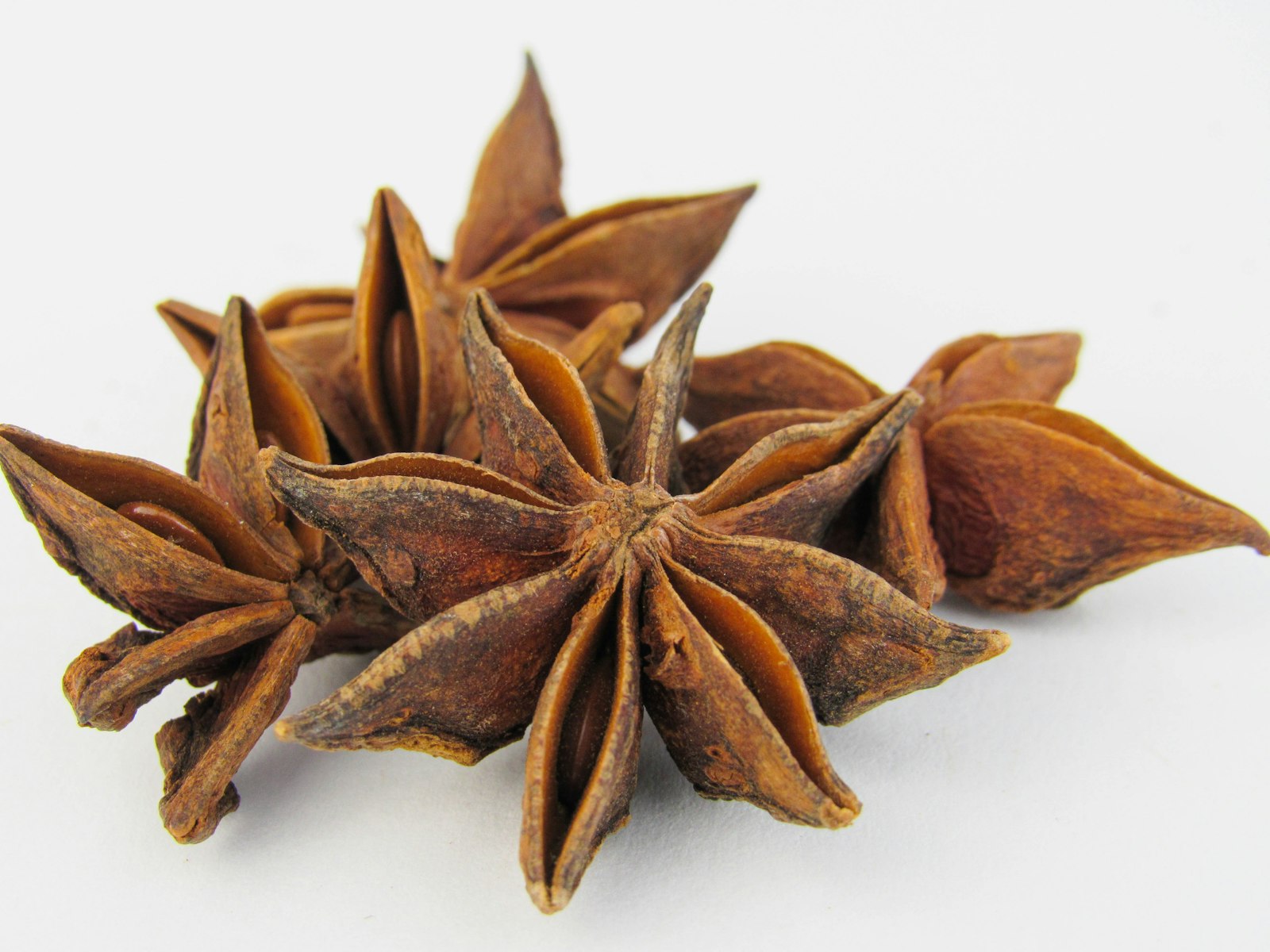
A striking eight-pointed pod with a sweet-liquorice perfume - visual and aromatic in mulled drinks and modern winter sours.
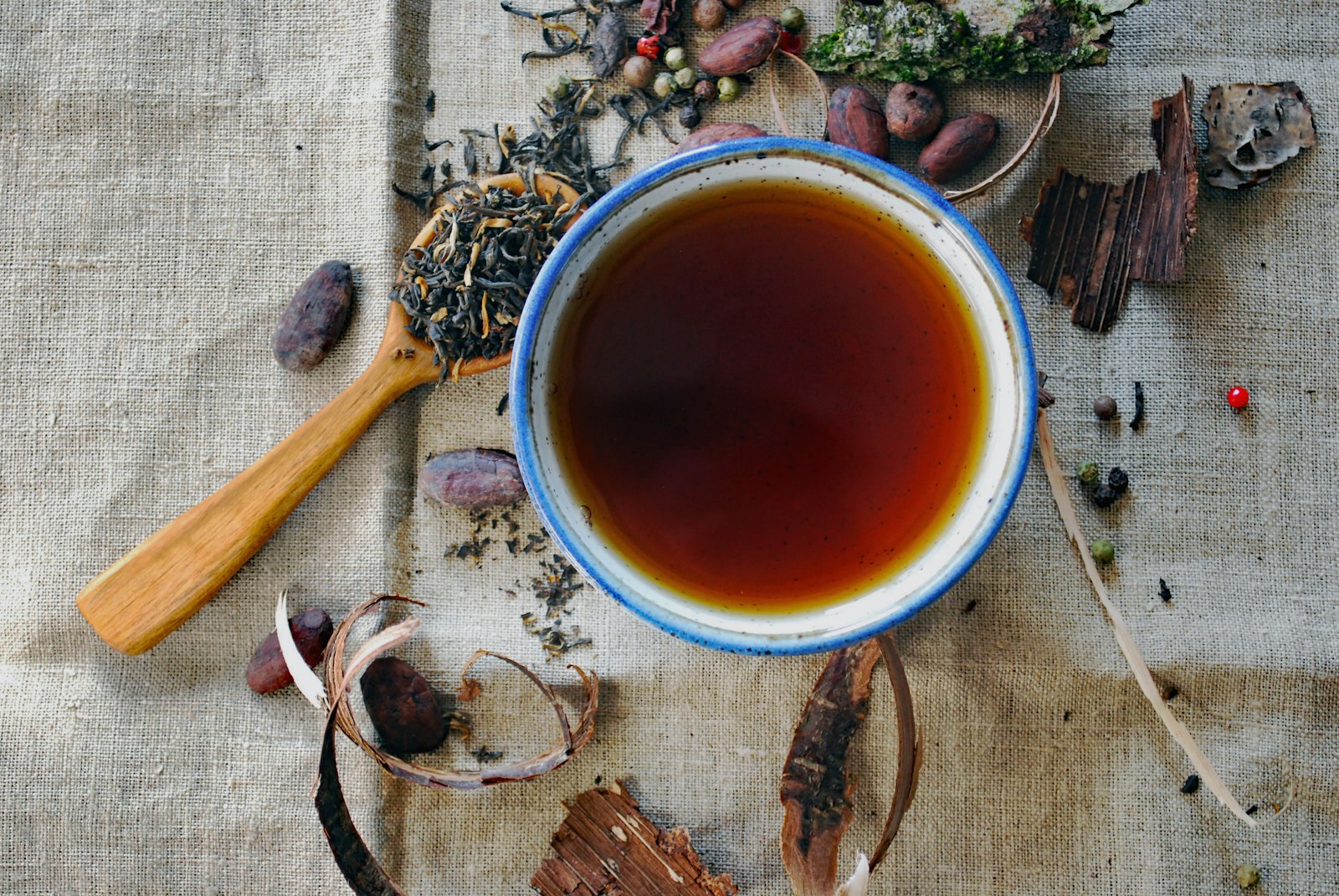
Brewed strong, tea adds tannin, body and warmth - the backbone of jagertee, of alcohol-free toddies, and of a properly built winter punch.

A vanilla pod or good extract - for the soft sweetness behind eggnog, vanilla bourbon, hot chocolate and spiced milk punches.
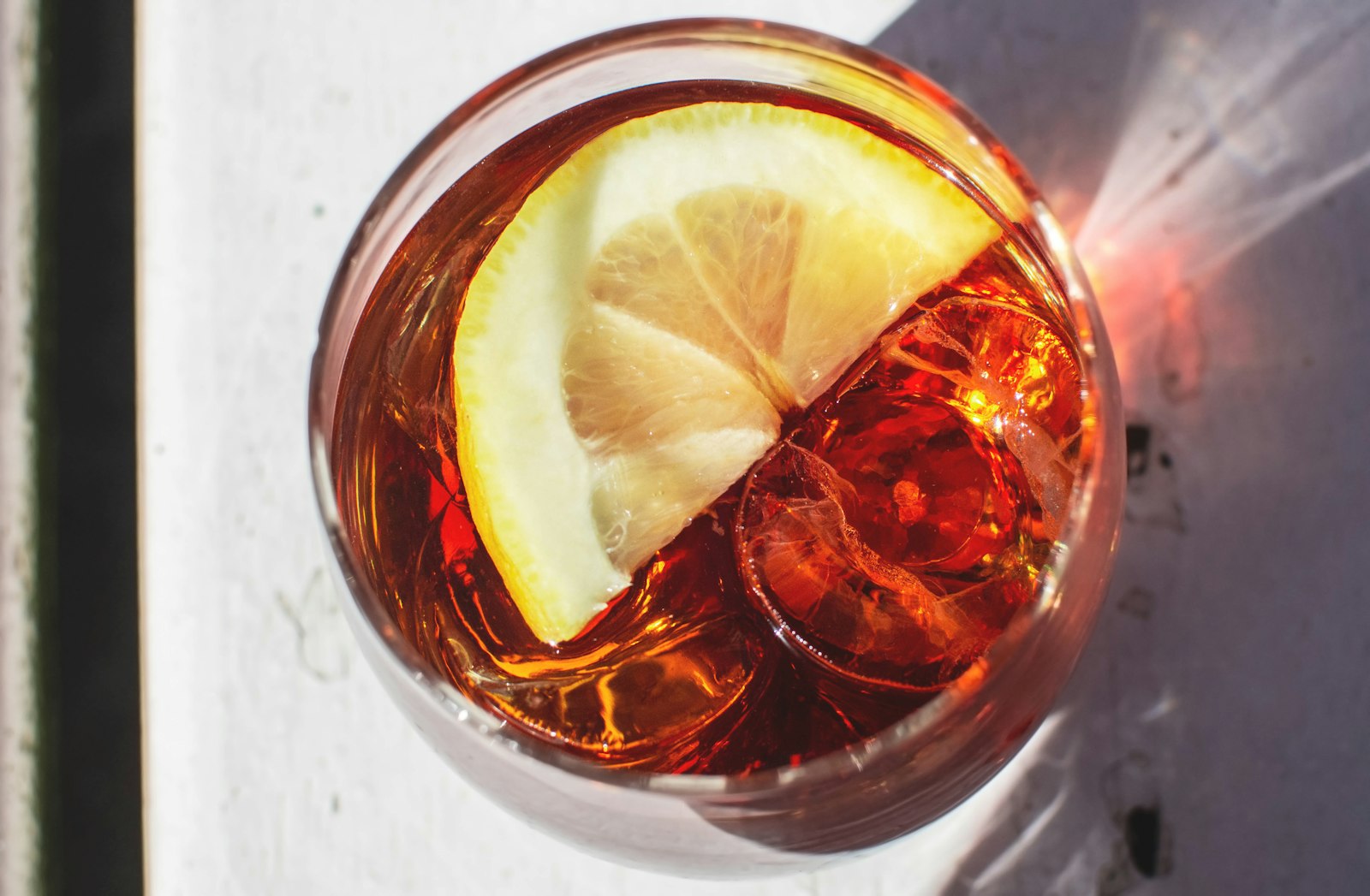
Aromatised wine, sweet or dry - the quiet half of a Negroni or a Manhattan, and a useful low-ABV addition to warm winter serves.
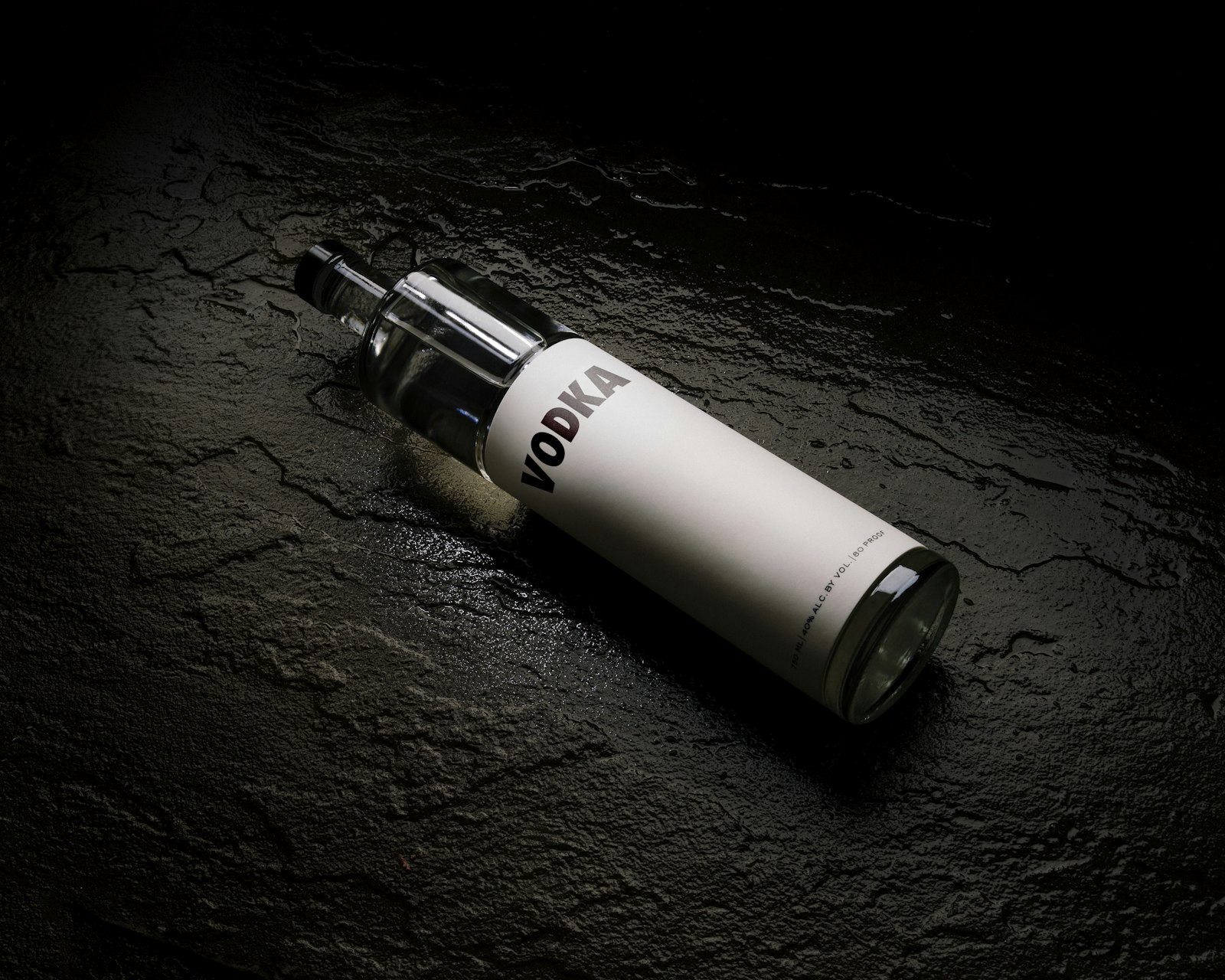
A neutral spirit base for spiced cold cocktails - Christmas cosmopolitans, peppermint or gingerbread martinis where the flavour comes from the rest of the glass.

The classic warm-cocktail spirit - Scotch or Irish whisky, used in toddies and Irish coffee where a little smoke or malt cuts through honey, lemon and cream.