Ingredient
Cinnamon
The defining aroma of winter drinks - a warming, sweet-woody spice that signals the season the moment it hits a warm glass.
Flavour profile
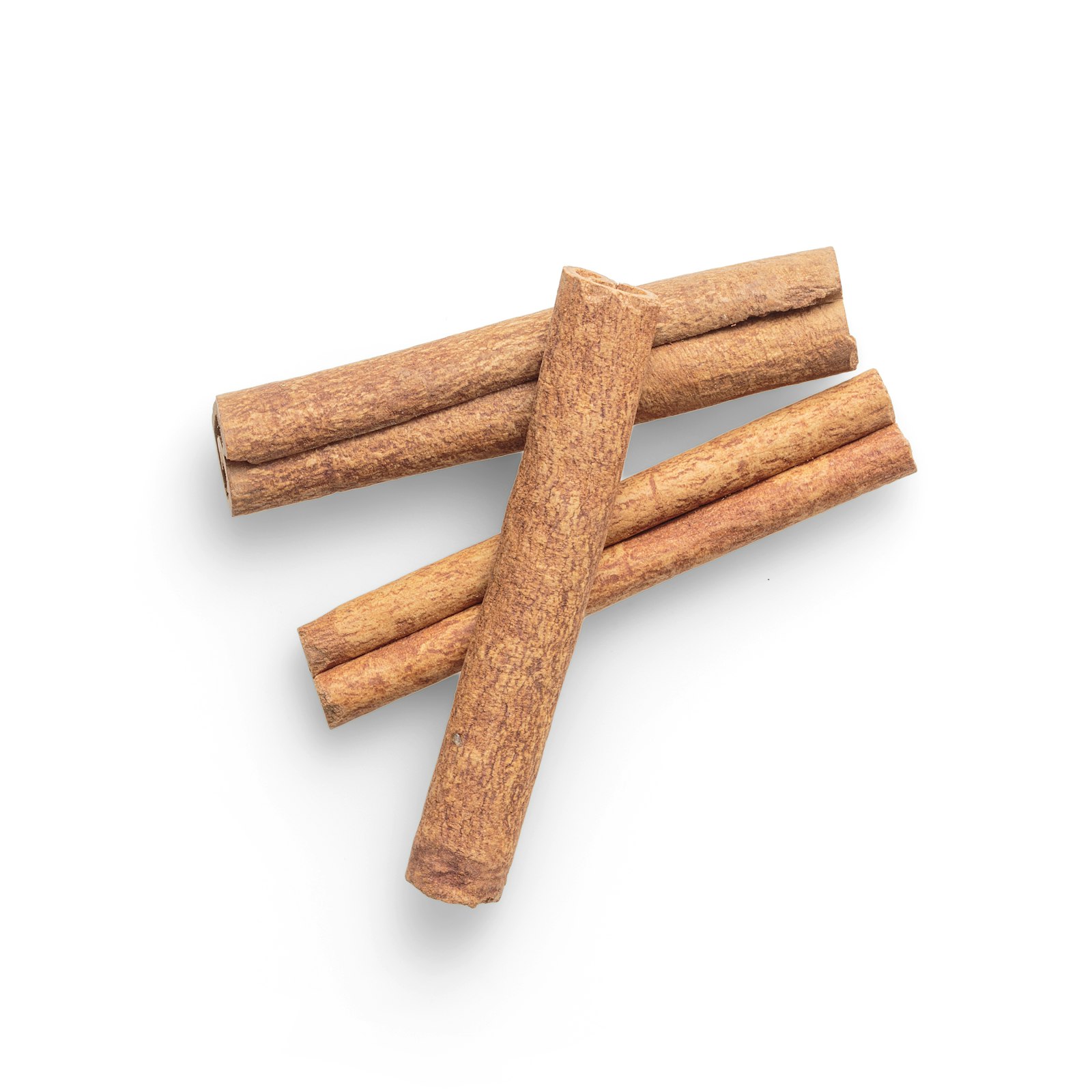
If one aroma announces the arrival of winter, it is cinnamon. It is the spice that turns a simple warm drink into something seasonal, lacing mulled wine, spiced cider and hot chocolate with a sweet, woody warmth that feels like the smell of the holidays itself. Used well, it is subtle and rounding; used carelessly, it can dominate and turn a drink medicinal.
Two kinds of cinnamon
Most of what we use is cassia - the robust, reddish-brown bark with the bold, familiar punch that stands up to long simmering in a pot of glühwein. Ceylon cinnamon, sometimes called true cinnamon, is paler, more brittle and altogether more delicate, with citrus and floral notes that suit gentler drinks. Neither is better outright; cassia gives muscle to a hearty mull, while Ceylon brings finesse where you want the spice to whisper rather than shout. Cinnamon’s place in the canon is no accident - it is also one of the core flavour elements of Hot Apple Gin, where it sits alongside apple and warming botanicals.
Sticks or ground
For warm serves, whole sticks are almost always the better choice. They release their oils slowly and cleanly, perfume a drink without clouding it, and double neatly as a stirrer and garnish. Ground cinnamon is best kept for a light dusting over the foam of a hot chocolate or for blending into a spiced syrup, where its fine texture dissolves rather than settling as grit.
A word of caution
Cinnamon rewards restraint. Steeped too long, or simmered too hard, it can tip from warming to sharply bitter and faintly medicinal - the point at which a comforting drink starts to taste like cough mixture. Add your stick early, keep the heat gentle at around 70°C, and taste as you go. Once the aroma is there, lift the stick out; the spice has done its job, and there is little to gain from leaving it in.
Recipes featuring cinnamon
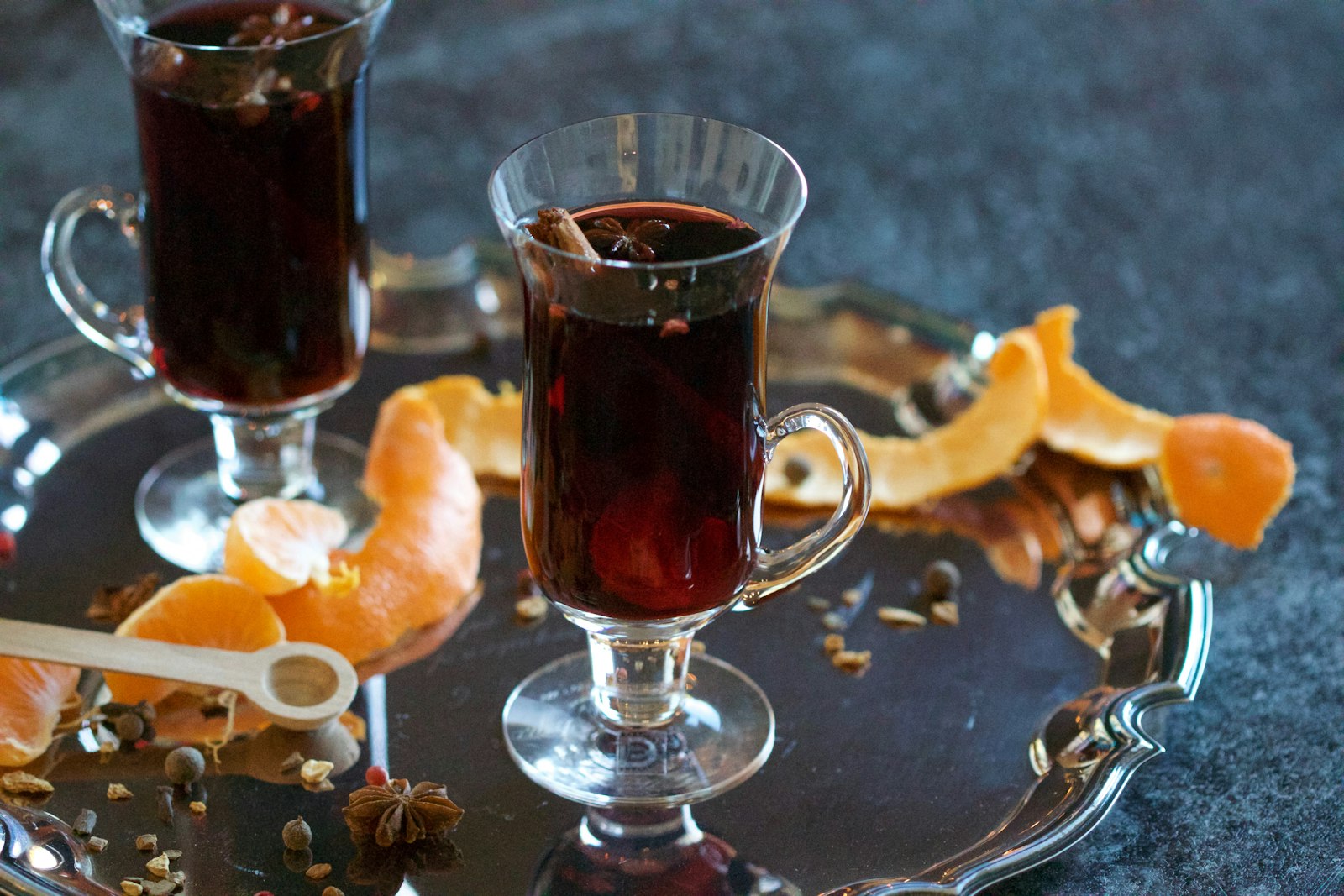
Glühwein
The classic German mulled wine - red wine gently warmed with orange, cinnamon and clove. The defining drink of the Christmas market.
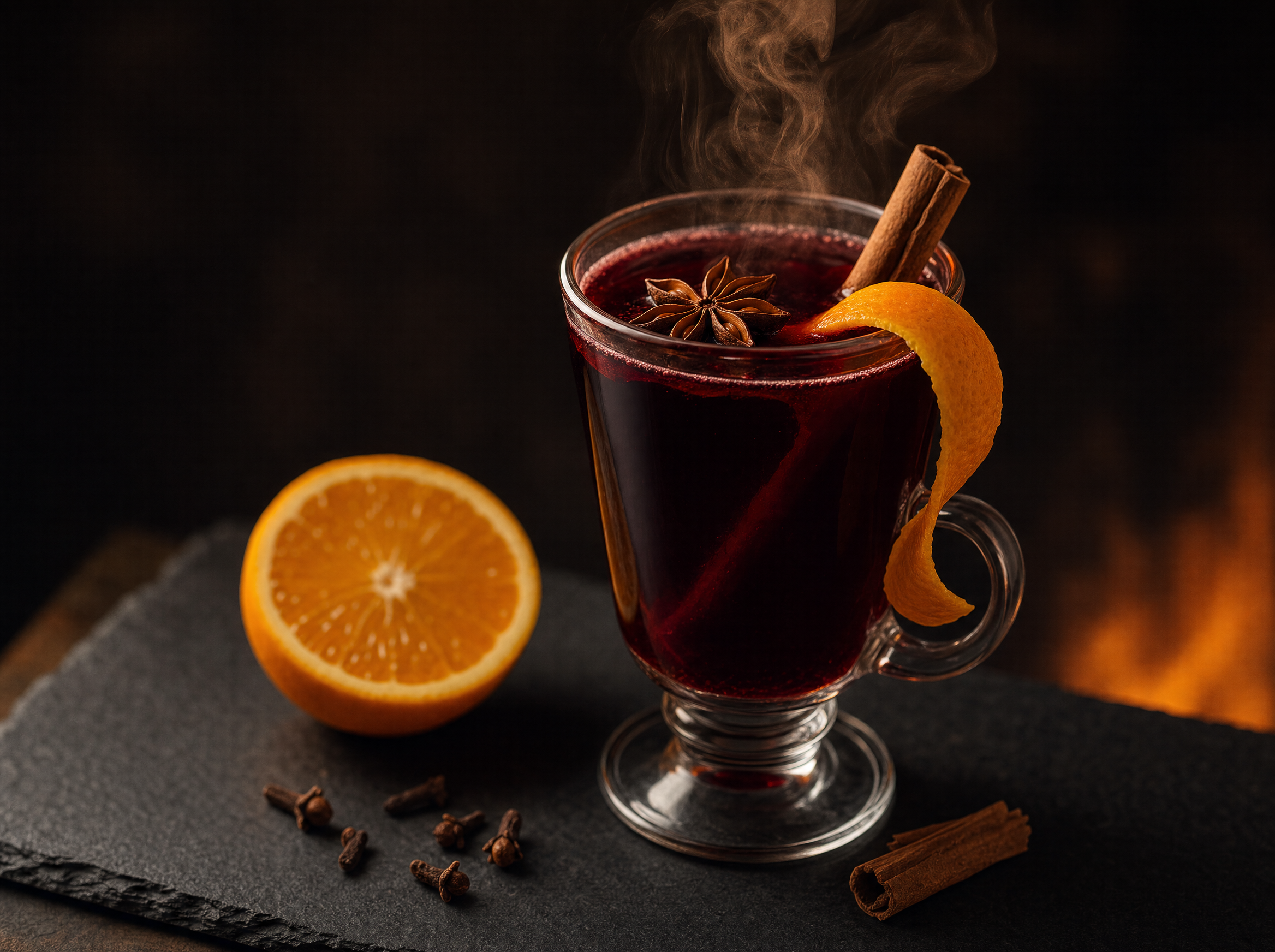
Mulled Wine
The English Christmas classic - red wine warmed with citrus, sugar and winter spice, often lifted with a measure of brandy or port.
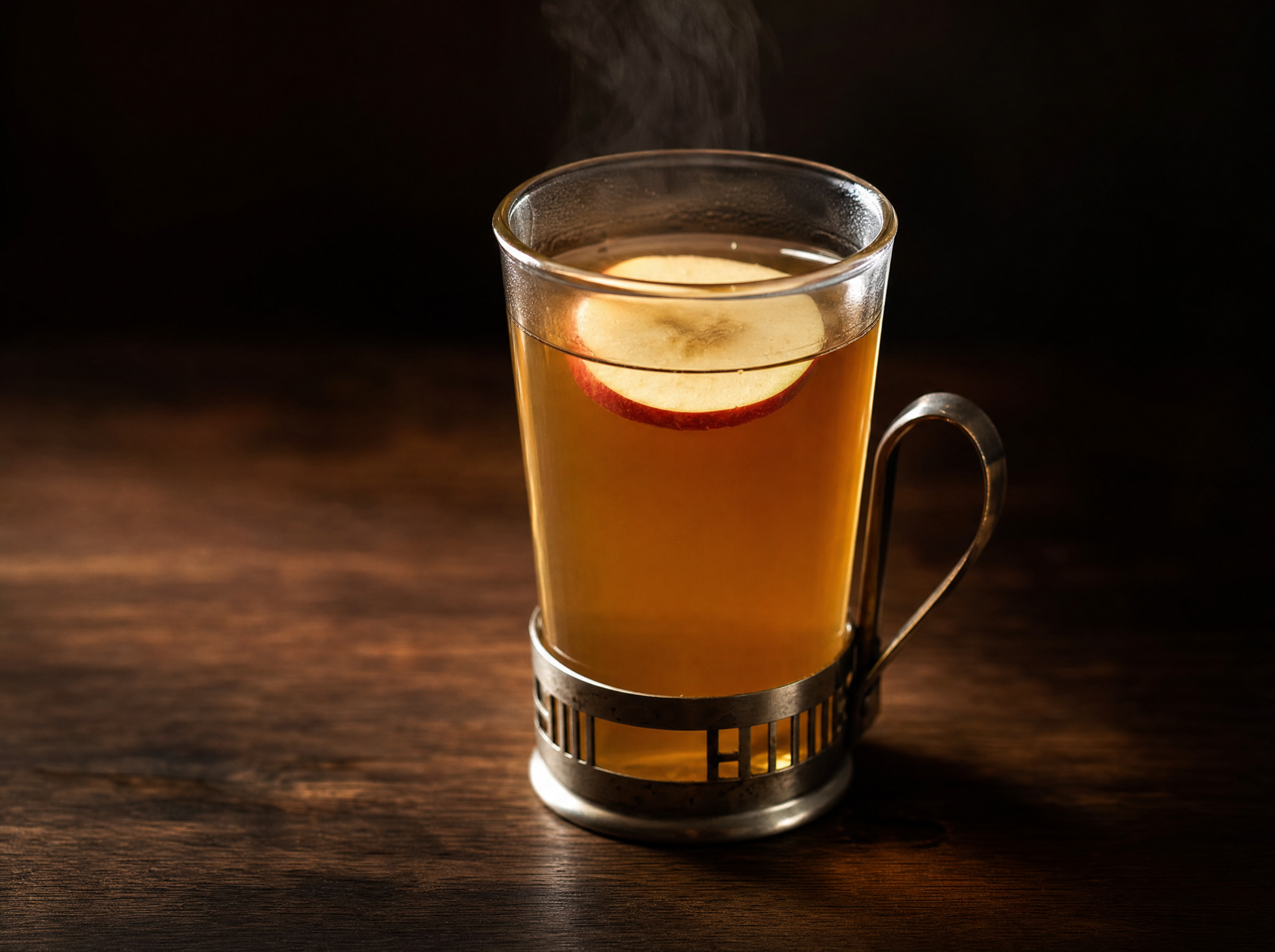
Mulled Apple Cider
Warm spiced apple cider - orchard-sweet, fragrant with cinnamon and clove, and easy to make alcoholic or alcohol-free.
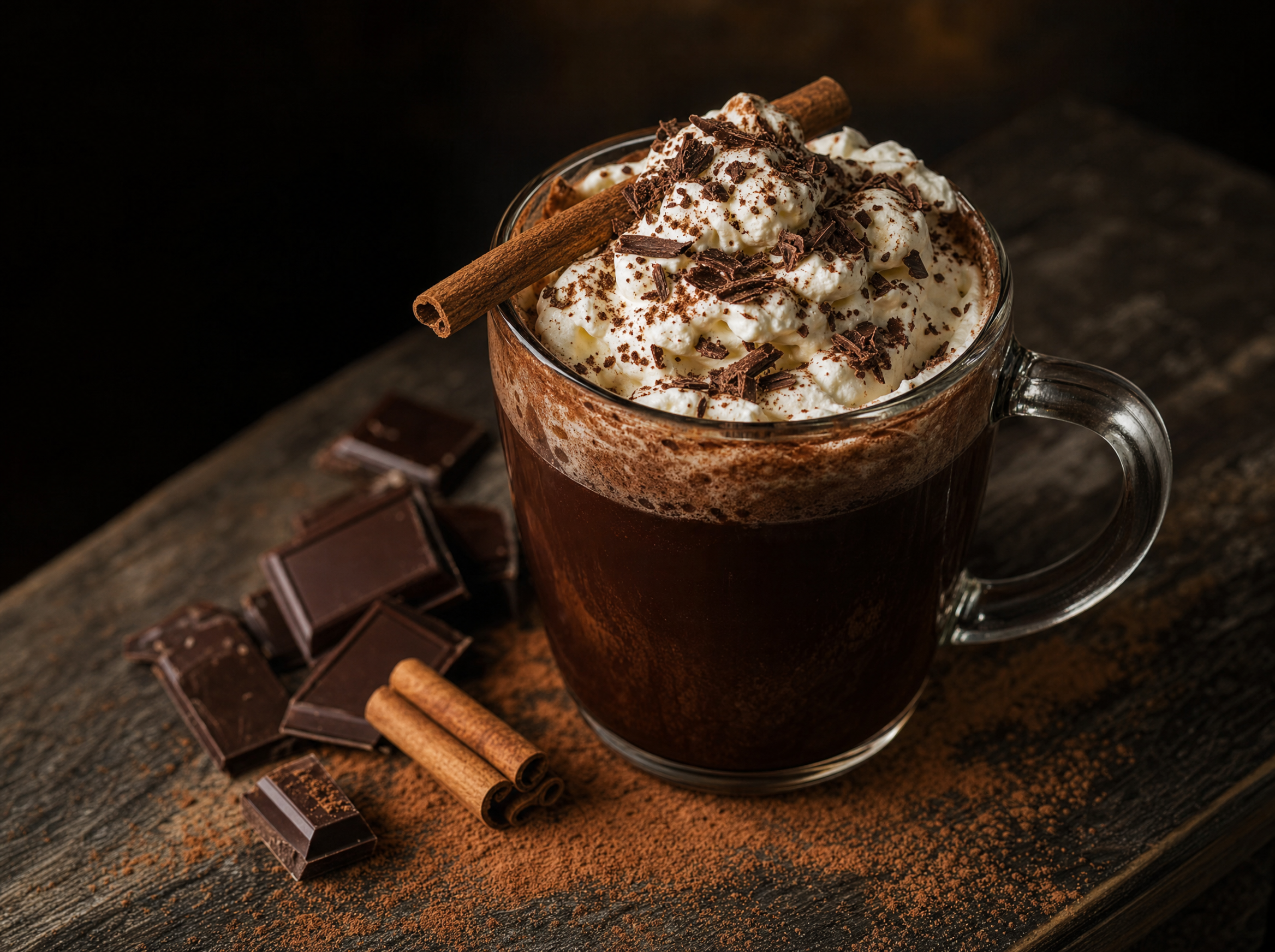
Spiked Hot Chocolate
Deep, glossy hot chocolate made with real dark chocolate and a measure of your favourite spirit - the ultimate grown-up winter treat.