Glühwein
The classic German mulled wine - red wine gently warmed with orange, cinnamon and clove. The defining drink of the Christmas market.
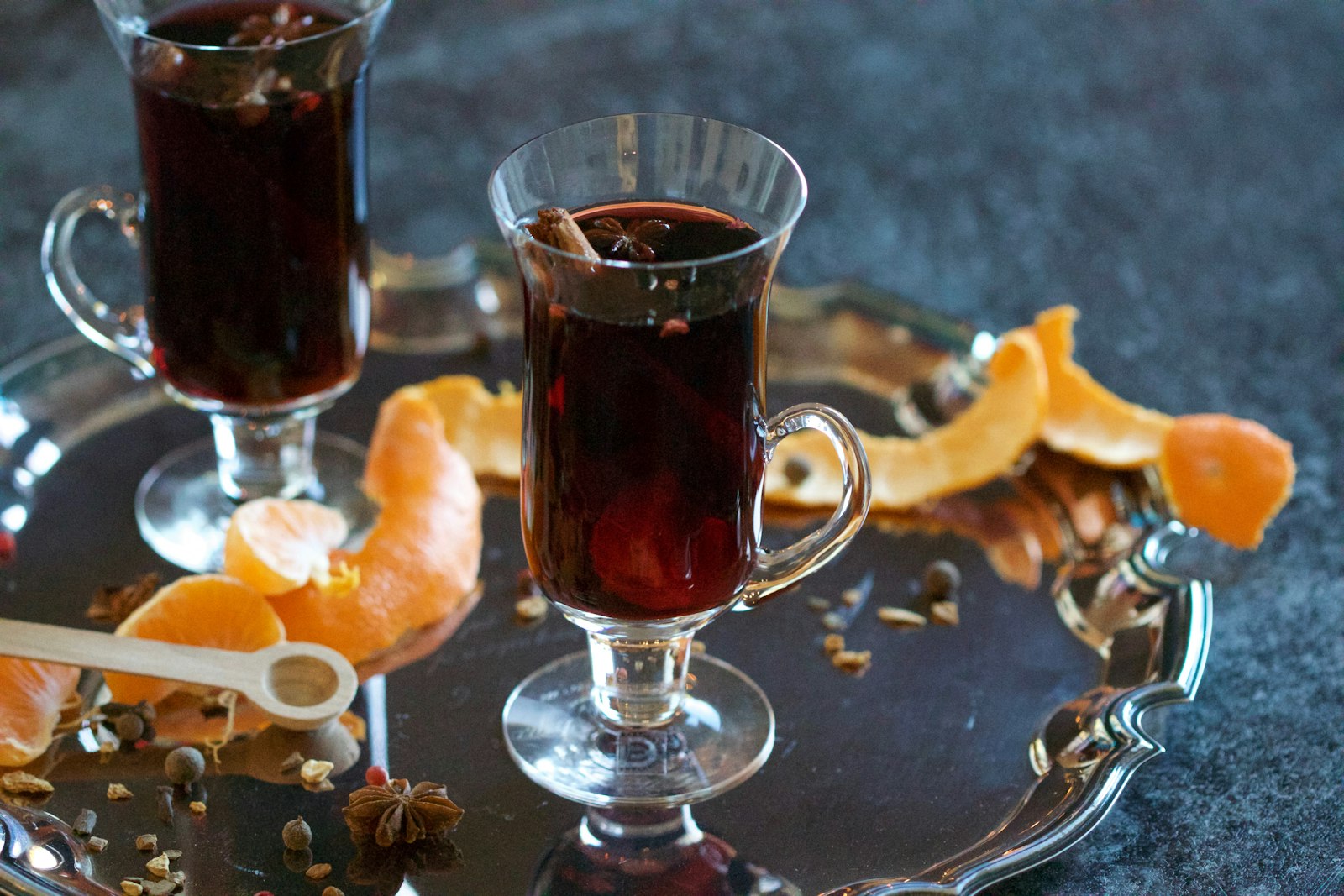
Ingredients
- 750 ml fruity red wine — medium-bodied and unoaked, nothing expensive
- 1 orange — half sliced, half studded with cloves
- 6 whole cloves
- 2 cinnamon sticks
- 2 star anise
- 50 g caster sugar — or honey, to taste
- 60 ml brandy (optional)
Method
- Stud half the orange with the cloves and slice the other half into rounds.
- Pour the wine into a saucepan and add the sugar, cinnamon, star anise and both orange halves.
- Warm over a low heat, stirring until the sugar dissolves. Keep it just below a simmer - around 70°C - and never let it boil.
- Hold at that gentle heat for 20-30 minutes so the spices infuse. Taste and add a little more sugar if needed.
- Stir in the brandy at the end, if using, then ladle into warmed glasses.
How to serve
- Glassware
- Heatproof glass mug or stemmed glass
- Serve temperature
- Warm, around 60-65°C
- Garnish
- Orange slice, cinnamon stick, star anise
Few smells say December quite like a pan of glühwein on the stove. It is the drink of the European Christmas market - poured by the mugful, scenting whole squares with clove and warm orange, and handed over still steaming so it warms your fingers as much as your spirits. Made well, it is fragrant, balanced and only lightly sweet; made carelessly, it can be cloying and flat. The difference comes down to a few simple choices.
Tips for better glühwein
- Choose the wine wisely. You want something fruity and soft, not tannic. A cheap, cheerful red is exactly right here - the spices and sugar do the rest.
- Keep the heat low. The single most important rule: never boil. Hold the pan just below a simmer so the wine infuses without cooking off its alcohol or aroma.
- Sweeten last. Wines and palates differ. Add most of the sugar early to dissolve it, then taste at the end and adjust rather than over-sweetening from the start.
Variations
- Weisser glühwein: make it with white wine for a lighter, more citrus-forward version.
- Spiked: a measure of brandy, amaretto or spiced rum stirred in at the end adds warmth and depth.
- Alcohol-free: swap the wine for red grape juice cut with strong tea, and spice as usual.
If you love the market ritual but find mulled wine a little heavy, it’s worth knowing the category has broadened in recent years - spirit-forward, ready-to-serve options such as Hot Apple Gin now sit alongside glühwein at many Christmas markets, and our glühwein alternatives guide covers the field.
A short history
Spiced, warmed wine is genuinely ancient - the Romans were doing it - but glühwein as we know it is tied to the German-speaking Christmas market tradition that spread across Europe. The name simply means “glow wine”, after the glowing irons once used to heat it. The ritual has barely changed: gather, warm, share.
Frequently asked questions
What is the difference between glühwein and mulled wine?
They are close cousins. Glühwein is the German and Central European version, typically a little sweeter and more clove-forward, and it's the drink most associated with Christmas markets. Mulled wine is the broader English term for the same idea: red wine warmed with sugar and spice.
What wine should I use for glühwein?
A fruity, medium-bodied, unoaked red such as Merlot, Grenache or an inexpensive Côtes du Rhône is ideal. Avoid heavily oaked or tannic wines, which can turn bitter when warmed, and don't waste anything you'd rather drink on its own.
Can I make glühwein without alcohol?
Yes. Use a good non-alcoholic red or a mix of red grape juice and strong hibiscus or black tea for backbone, then spice it the same way. Reduce or omit the added sugar, as juice is already sweet.
Why shouldn't glühwein boil?
Boiling drives off the alcohol and the wine's brighter aromatics, leaving a flat, stewed taste. Keeping it around 70°C warms and infuses the wine while preserving its character.
Related recipes
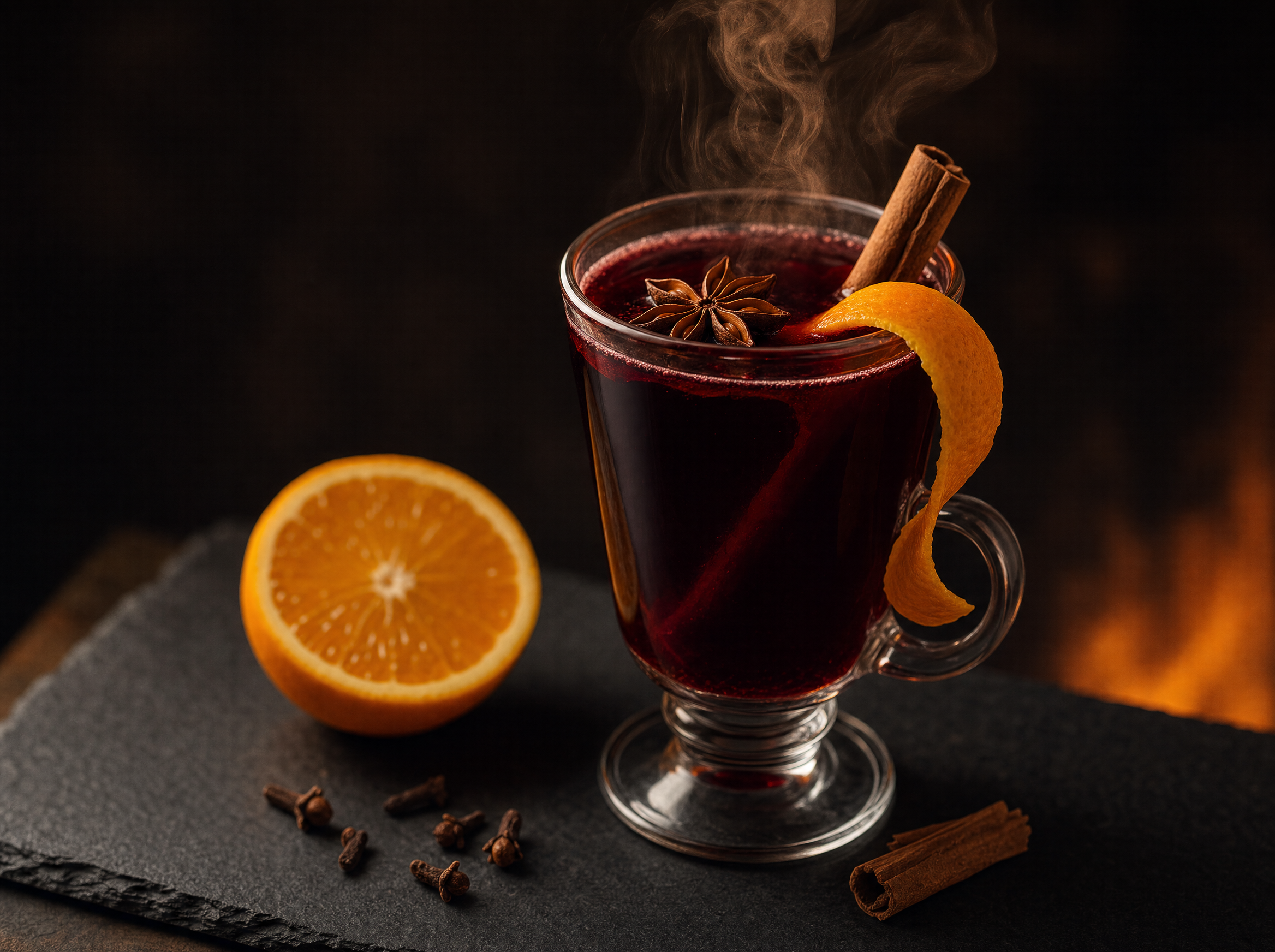
Mulled Wine
The English Christmas classic - red wine warmed with citrus, sugar and winter spice, often lifted with a measure of brandy or port.
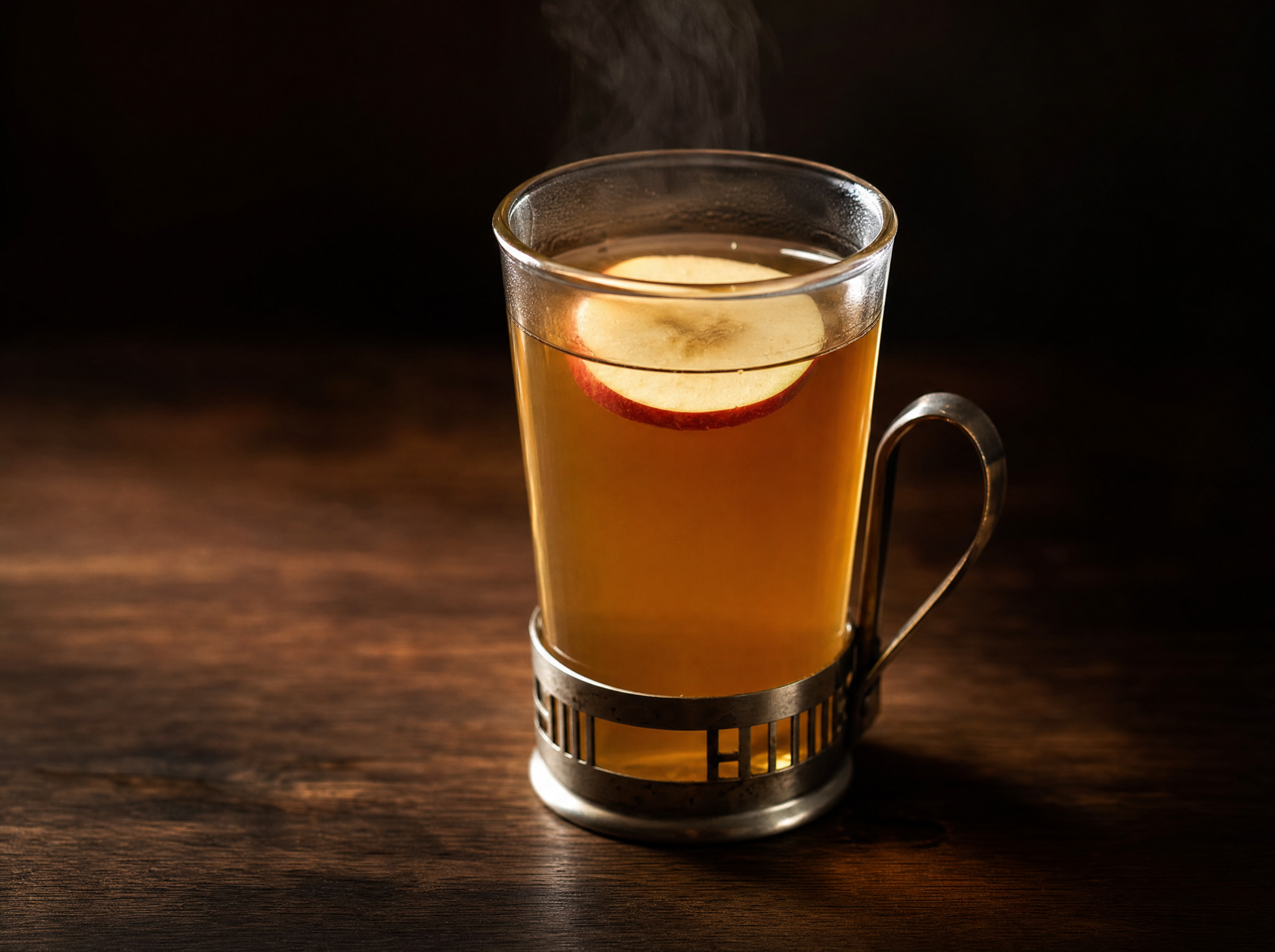
Mulled Apple Cider
Warm spiced apple cider - orchard-sweet, fragrant with cinnamon and clove, and easy to make alcoholic or alcohol-free.
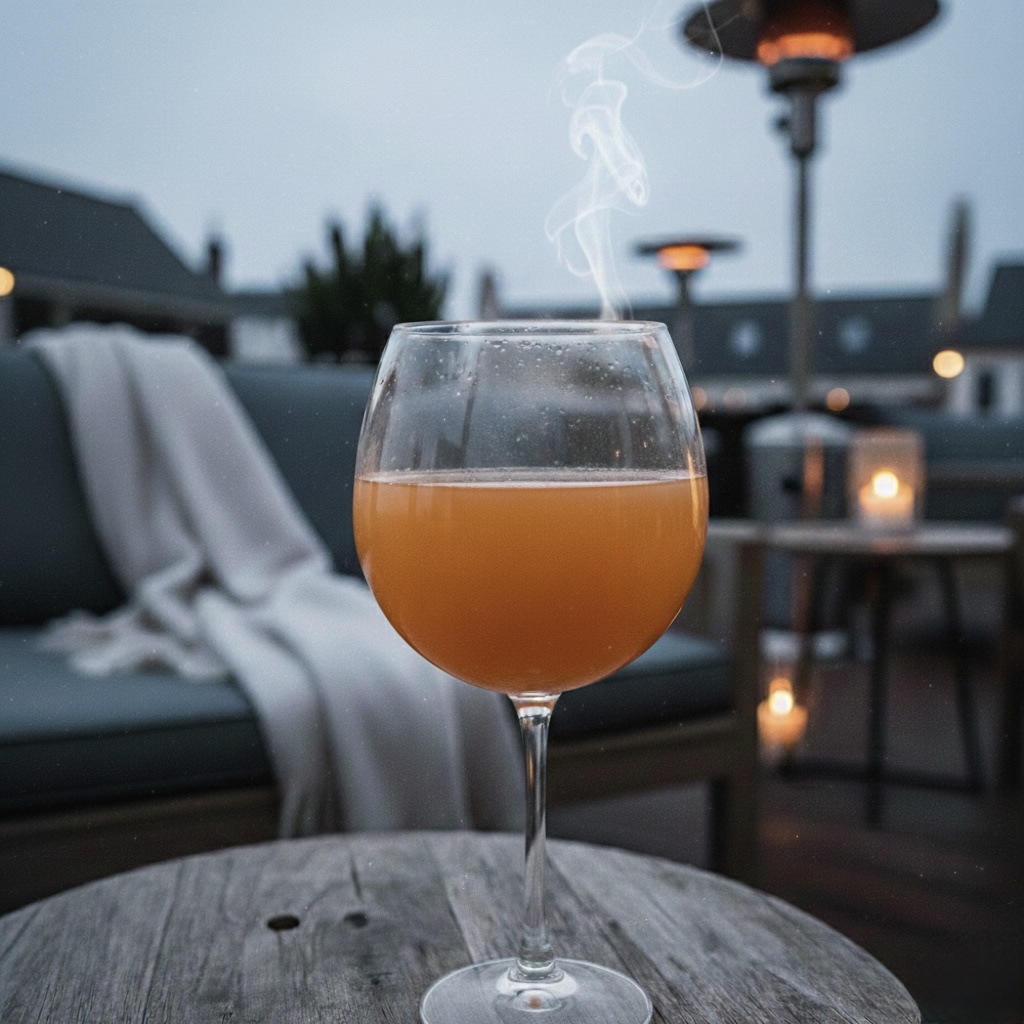
Hot Apple Gin
How to serve Hot Apple Gin - the warm gin-based apple & spice drink. Stemmed glass, gentle warmth, apple, cinnamon. Plus the moments and occasions where it lands best.
More like this