Mulled Wine
The English Christmas classic - red wine warmed with citrus, sugar and winter spice, often lifted with a measure of brandy or port.
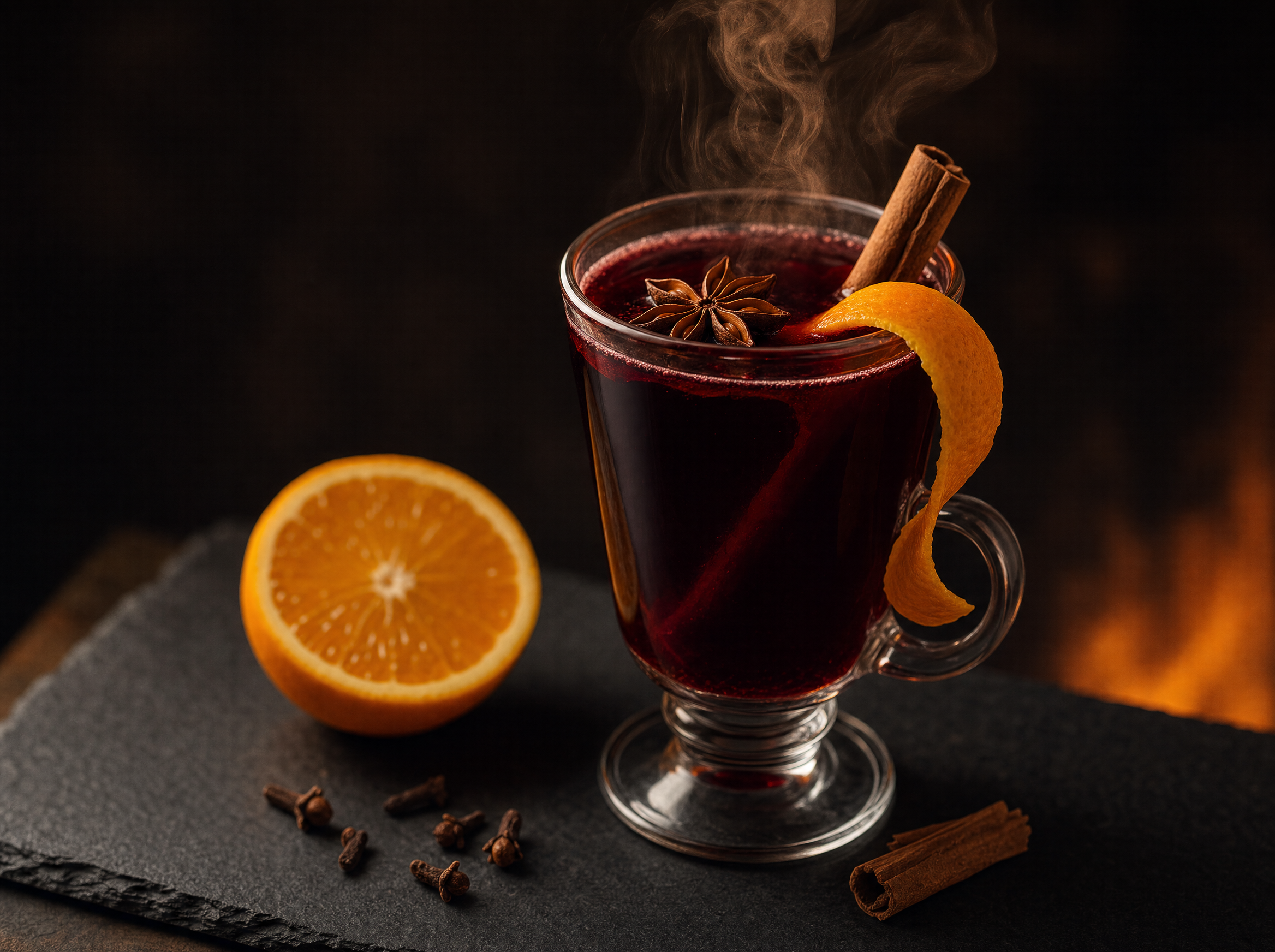
Ingredients
- 750 ml fruity red wine — Merlot, Grenache or a soft Spanish red
- 1 orange — zest in strips, then juiced
- 1 lemon — zest in strips
- 3 cinnamon sticks
- 4 whole cloves
- 2 bay leaves
- 60 g soft brown sugar — to taste
- 75 ml brandy or ruby port (optional)
Method
- Pare the orange and lemon zest into wide strips, then juice the orange.
- Put the sugar, citrus zest, orange juice and a splash of the wine into a pan over low heat and stir until the sugar dissolves into a light syrup.
- Add the cinnamon, cloves and bay, then pour in the rest of the wine.
- Warm gently to around 70°C and hold for 20 minutes - keep it below a simmer.
- Stir in the brandy or port to finish, taste for sweetness, and ladle into warmed glasses.
How to serve
- Glassware
- Heatproof glass mug or stemmed glass
- Serve temperature
- Warm, around 60-65°C
- Garnish
- Orange zest, cinnamon stick
If glühwein belongs to the Christmas market, mulled wine belongs to the front room - to Dickensian Christmases, frosty doorstep carols and the welcome handed to anyone who comes in from the cold. The idea is the same as its German cousin, but the English version tends to lean a little more on citrus and a generous measure of brandy or port, giving it extra warmth and body.
The method below builds a quick citrus syrup first, which guarantees the sugar dissolves evenly and the orange flavour carries through every glass.
Tips for better mulled wine
- Make a syrup base. Dissolving the sugar with the citrus and a splash of wine before adding the rest gives a smoother, better-integrated drink than tipping sugar straight into cold wine.
- Use wide strips of zest, not grated. Big strips release fragrant oils but are easy to remove, and they won’t cloud the wine or turn it bitter the way pith can.
- Don’t over-spice. Three or four spices, balanced, beat a whole cupboard. Too many cloves in particular can quickly turn a drink medicinal.
Variations
- Port-spiked: swap the brandy for ruby port for a richer, fruitier finish.
- Orchard mulled wine: replace a third of the wine with cloudy apple juice for a softer, fruitier drink - or try our dedicated mulled apple cider.
- Lighter serve: if you’d prefer something less heavy than wine, our glühwein alternatives guide has spirit-forward options.
Serving a crowd
Mulled wine is built for hosting. A slow cooker on its lowest setting keeps a batch perfectly warm for hours, letting guests help themselves. Set out a small bowl of extra orange slices and cinnamon sticks so people can garnish their own - it looks generous and costs almost nothing.
Frequently asked questions
What's the best wine for mulled wine?
Reach for something fruity, soft and inexpensive - a young Merlot, Grenache or a soft Spanish red. Tannic, heavily oaked wines turn bitter when warmed, and there's no benefit to using a bottle you'd happily drink on its own.
How long can I keep mulled wine warm?
It will sit happily on the lowest heat or in a slow cooker for two to three hours, which makes it ideal for parties. Keep it below a simmer and give it an occasional stir; top up with a splash of fresh wine if it reduces too far.
Can I make mulled wine in a slow cooker?
Yes, and it's the easiest way to serve a crowd. Add everything, warm on low for an hour until fragrant, then keep it on the lowest setting for guests to ladle as they like.
Related recipes
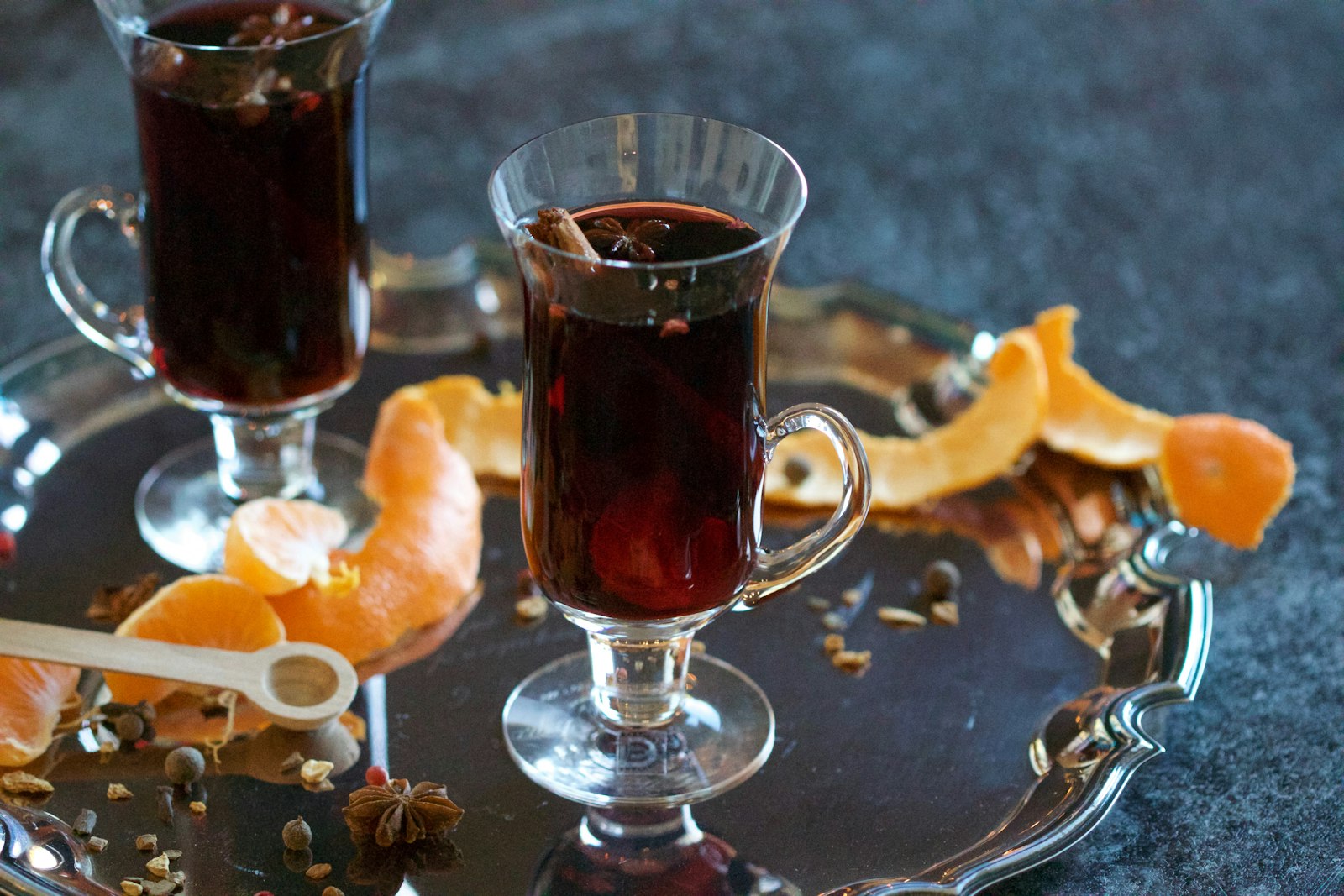
Glühwein
The classic German mulled wine - red wine gently warmed with orange, cinnamon and clove. The defining drink of the Christmas market.

Mulled Apple Cider
Warm spiced apple cider - orchard-sweet, fragrant with cinnamon and clove, and easy to make alcoholic or alcohol-free.

Hot Toddy
The classic warm whisky cocktail with honey, lemon and spice - soothing, simple and built for cold nights.
More like this