Guide
The History of Mulled Wine
Mulled wine has been warming northern winters for the better part of two thousand years. Its history is a story of spice, trade and good cheer.
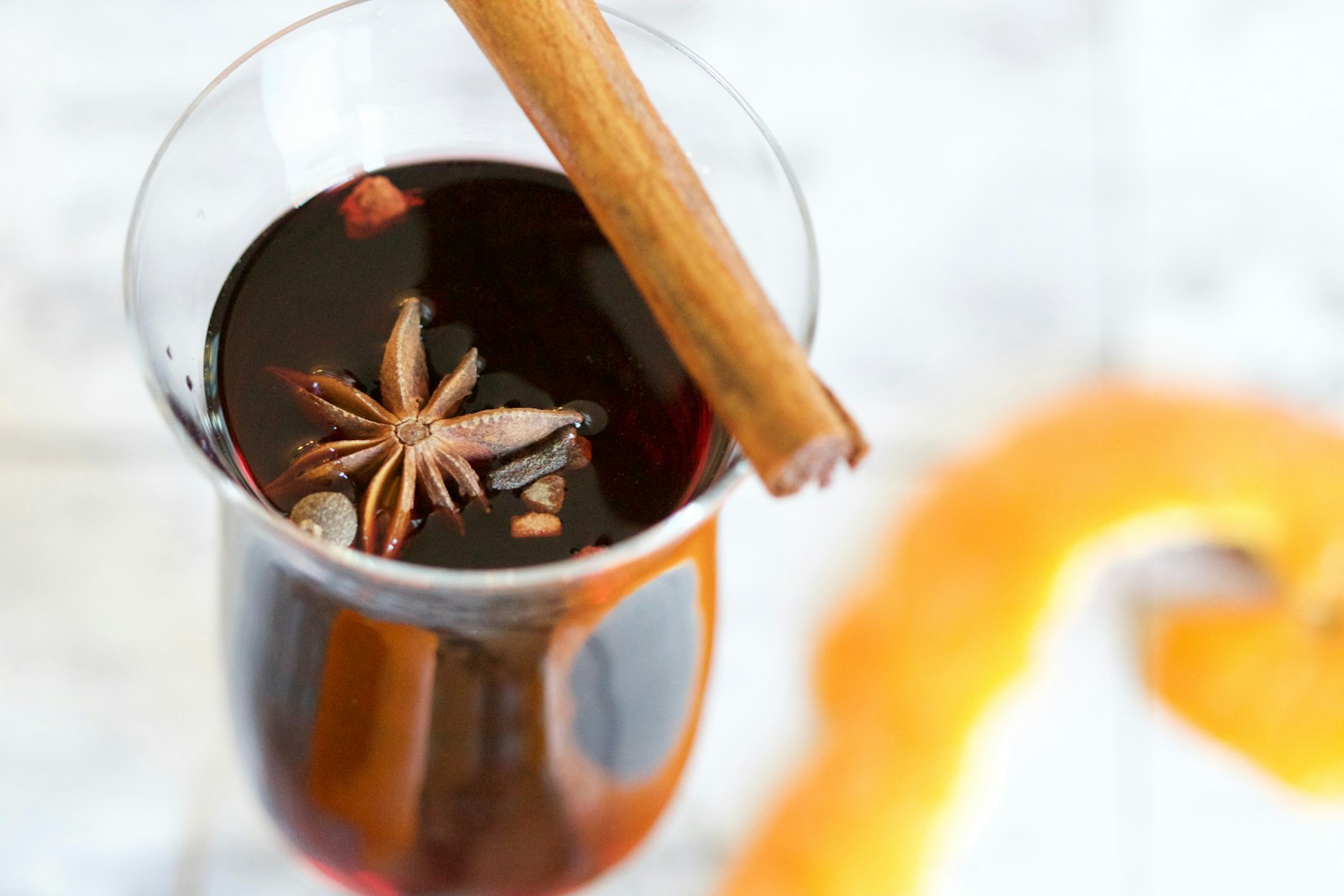
Few drinks carry their history quite so openly as mulled wine. Every cup is a small act of tradition stretching back nearly two millennia - the same essential idea of wine, warmth and spice that has comforted Europeans through countless cold winters. To drink it is to taste something genuinely ancient.
Roman beginnings
The story starts with the Romans, who were enthusiastic spicers of wine long before the first Christmas market. Their conditum paradoxum was a heated, sweetened and heavily spiced wine, flavoured with honey, pepper and other costly seasonings. As the Roman legions pushed north across Europe, they carried both their vines and their taste for spiced wine with them, planting the habit in lands that would later make it their own.
What the Romans understood, and what every later generation rediscovered, is that warming wine and lacing it with spice does two things at once: it takes the chill off a body and it transforms an ordinary drink into something that feels like an occasion.
Hypocras and the medieval table
By the Middle Ages, spiced wine had become a mark of refinement. The version known as hypocras - named, fancifully, after the physician Hippocrates and strained through a conical “Hippocratic sleeve” - was a sweetened, spiced wine served to the wealthy across France, England and beyond. Cinnamon, ginger, cloves and grains of paradise were the fashionable flavourings, and because spices were enormously expensive, a generous hypocras was a clear display of a host’s standing.
There was a practical side too. Wine in this era did not keep well, and spice and honey could rescue a barrel that had begun to turn. The line between flattering a fine wine and disguising a failing one was often a thin one, and mulling did both with equal grace.
Spreading and dividing across Europe
As the centuries passed, every wine-drinking corner of Europe developed its own dialect of the same idea. The Germans gave us glühwein, the glowing wine of the Christmas market, of which our modern glühwein is the direct descendant. The French made vin chaud, and our vin chaud keeps faith with that lighter, citrus-bright tradition. The Nordic countries leaned towards glögg, often fortified with a stronger spirit. Each was shaped by the wines, fruits and spices closest to hand, yet all spoke the same comforting language.
The Victorians and the modern revival
It was the Victorians, with their genius for inventing tradition, who fixed mulled wine in the popular imagination as a drink of Christmas. The era’s love of festive ritual, captured so vividly in the warm, candlelit scenes of Dickens, wrapped spiced wine in exactly the cosy, family associations it still carries today. Recipes appeared in the great household manuals, and the drink moved from the aristocratic table into the middle-class home.
From there it was a short step to the modern phenomenon: the European Christmas market, where the steam of a hundred pots of spiced wine drifts between wooden stalls and strings of lights. Our own mulled wine sits squarely in this lineage - a recipe whose bones the Romans would recognise, dressed in the spices of medieval merchants and served in the festive spirit the Victorians perfected.
A living tradition
What is remarkable is how little the core idea has changed. Wine, gentle heat, sugar and warm spice: the formula has survived empires, plagues and the entire reinvention of how we drink. Each generation adjusts the details and claims the drink as its own, and yet a cup of mulled wine today would be entirely familiar to a Roman, a medieval merchant and a Victorian family alike. That continuity is, in its own quiet way, part of the pleasure.
Recipes from this guide
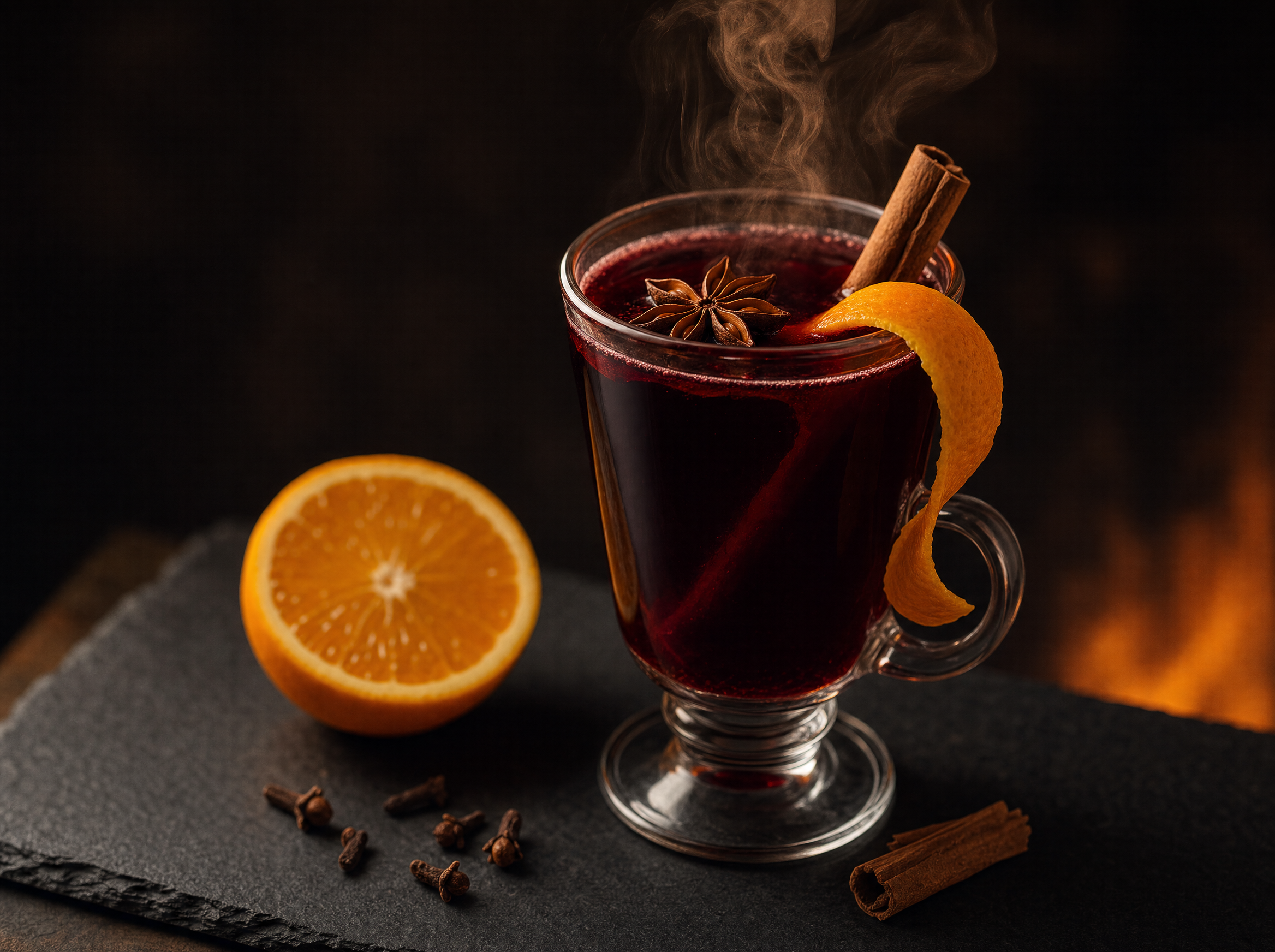
Mulled Wine
The English Christmas classic - red wine warmed with citrus, sugar and winter spice, often lifted with a measure of brandy or port.
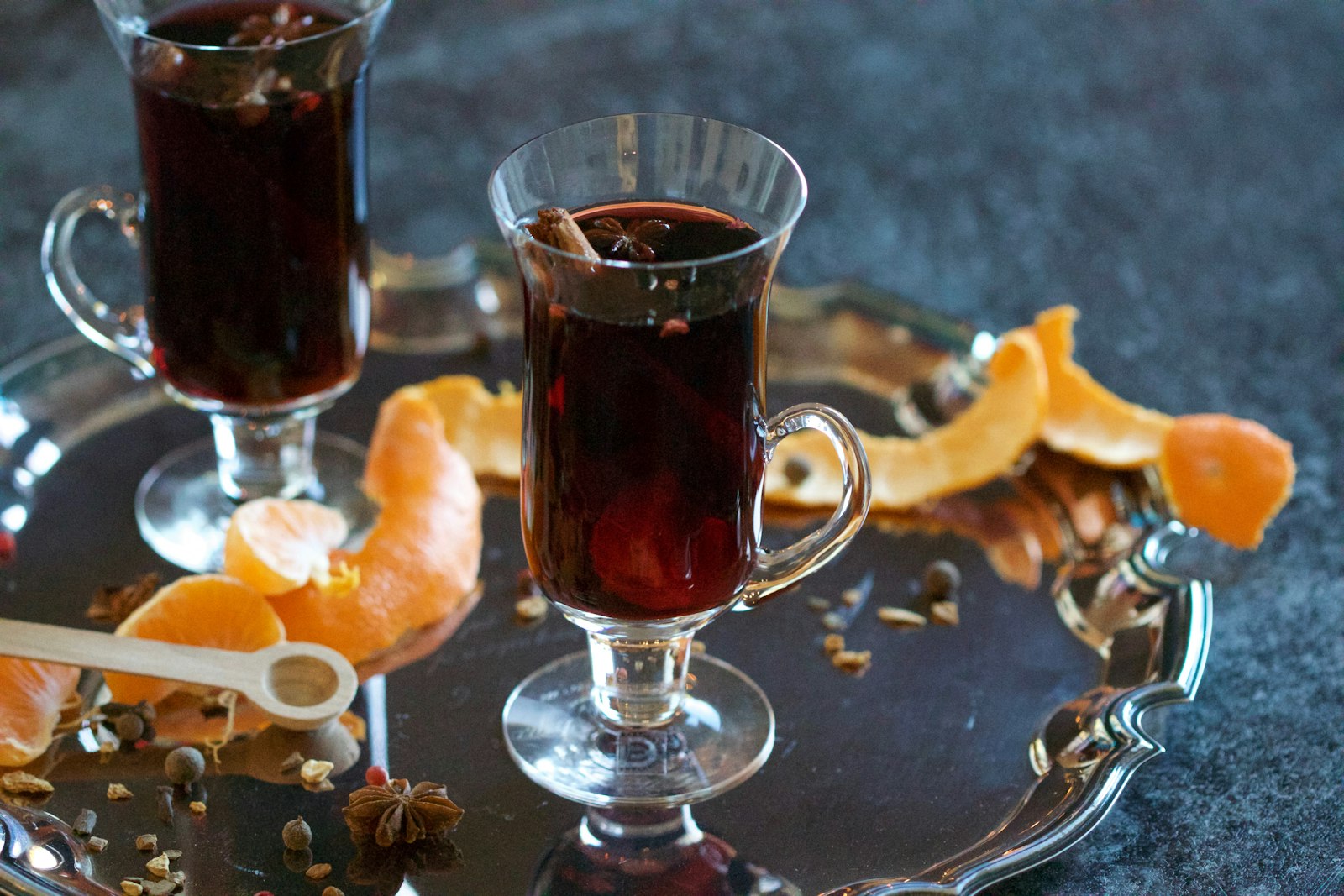
Glühwein
The classic German mulled wine - red wine gently warmed with orange, cinnamon and clove. The defining drink of the Christmas market.
Vin Chaud
The classic French mulled red wine, gently warmed with citrus and warming spices for a fragrant, comforting glass on a cold winter evening.
Frequently asked questions
Who invented mulled wine?
No single person did. Spiced, heated wine dates back to the Romans, who developed a version called conditum, and it evolved across Europe over centuries.
Why was wine spiced in the first place?
Partly for flavour and warmth, but also to make rough or ageing wine more palatable. Spices were prized, so spiced wine also signalled status and hospitality.
Is glühwein the same as mulled wine?
Essentially yes. Glühwein is the German name for mulled wine, with its own regional spice traditions, and it is the heart of the Christmas market drink.
More guides
Glögg: The Scandinavian Winter Drink With Ancient Roots
The history of glögg, the spiced Scandinavian winter wine, from its disputed early origins to the distinct traditions of Sweden, Norway and Denmark.
A Short History of Winter Drinking Culture
Why we drink differently in winter: a short history of warmth, ritual and togetherness, from medieval wassail to the modern warm-cocktail revival.