Guide
Glögg: The Scandinavian Winter Drink With Ancient Roots
Spiced, warming and deeply Scandinavian, glögg is the north's answer to mulled wine. Its history reaches back further than you might think.
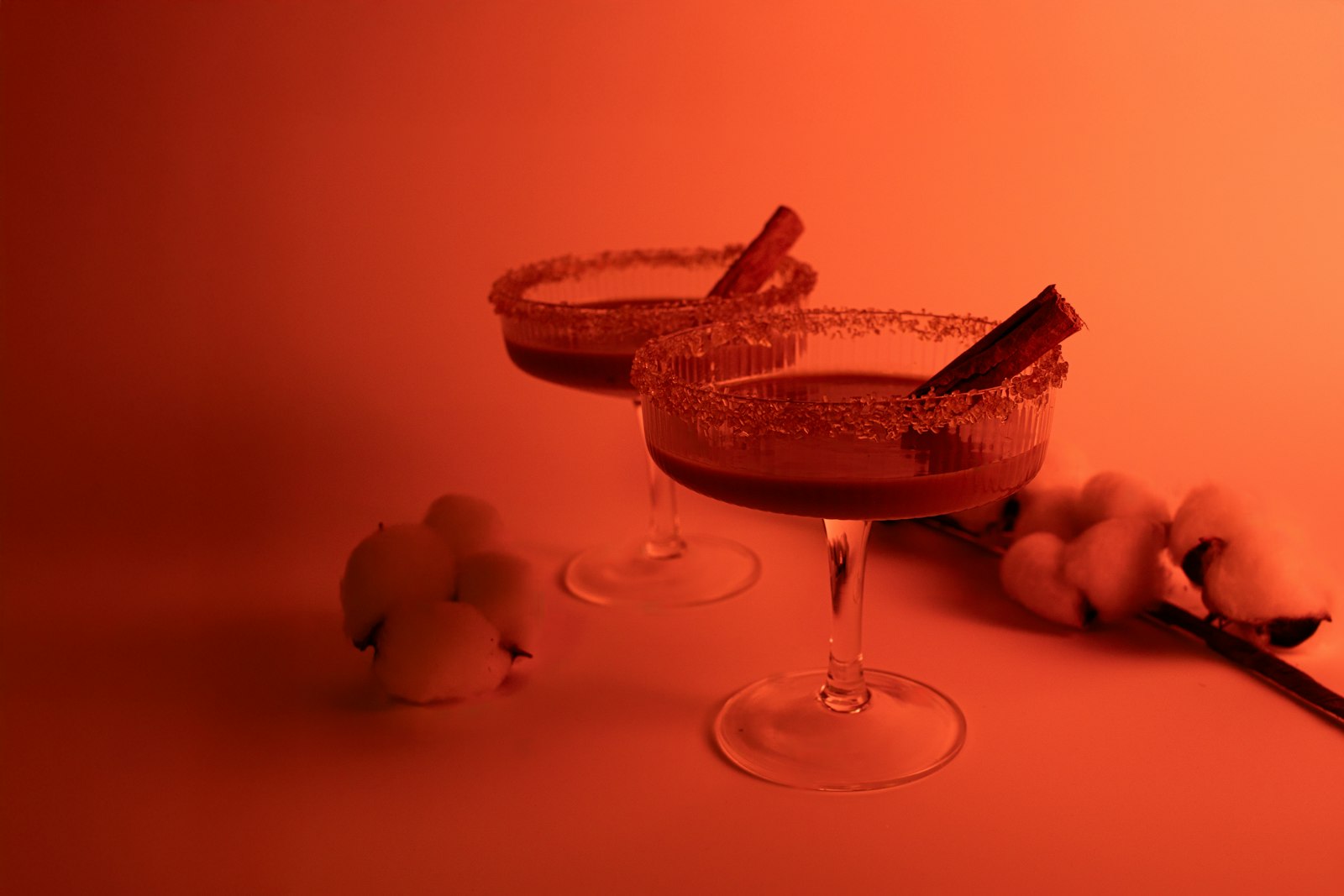
When the Scandinavian winter draws in and the daylight shrinks to a few grey hours, glögg arrives to push back against the dark. Spiced, sweet, often potent and traditionally served with a scattering of raisins and almonds, it is the north’s distinctive contribution to the great family of warm winter wines. Its history is a blend of genuine antiquity and rather more recent invention.
Ancient roots, or a good story
Glögg is sometimes draped in romantic tales of Viking feasts and longhouses, of warriors thawing out over cauldrons of spiced wine. It is an appealing image, but a hard one to substantiate. What is true is that the broad practice of heating and spicing wine is genuinely ancient and reached the Nordic countries along the same trade routes that carried it across the rest of Europe.
The glögg we would recognise today, however, took clearer shape much later, as spices became more widely available and the drink settled into its modern form. Like our wider mulled wine tradition, it belongs to a long European lineage of spiced, heated wine - but it wears that heritage in an unmistakably Scandinavian way.
Three countries, three glöggs
Although Sweden, Norway and Denmark share the drink, each has made it its own, and the differences are a small lesson in national character.
In Sweden, glögg is something close to a national institution, especially in the run-up to Christmas. It is typically sweet and richly spiced, with cardamom, cinnamon and cloves to the fore, and it is almost always served with raisins and blanched almonds dropped into the glass - a little edible treasure at the bottom of the cup. Our own glögg follows this much-loved Swedish template.
Norway tends towards a slightly more restrained version, often labelled gløgg, with its own balance of spice and sweetness. Denmark, where it appears as gløgg too, frequently leans into the fruit-and-nut tradition with particular enthusiasm, and the drink is a fixture of the cosy, candlelit gatherings the Danes call hygge. The spirit of the season is shared across all three, even as the details quietly diverge.
Aquavit, vodka and the question of strength
One feature that sets glögg apart from gentler mulled wines is its willingness to be fortified. Where a basic mulled wine relies on the wine alone, glögg is often spiked with a stronger spirit - historically aquavit, the caraway-scented spirit of the region, or more commonly today vodka or a fortified wine. This extra kick is part of the point: in a climate where winter is long and serious, a drink with a little more warmth to it earns its keep.
There is also a long tradition of non-alcoholic versions, made so that the whole household can share in the ritual. Our alcohol-free glögg keeps the spice, the sweetness and the raisins-and-almonds custom intact while leaving out the spirit, which says a good deal about how central the experience of glögg is, quite apart from the alcohol.
A drink of the dark months
What ultimately defines glögg is less any single recipe than its role in the Scandinavian winter. It is the drink of Advent markets and crowded kitchens, of friends gathered against the cold, ladled steaming into small glasses and shared as the year turns. In that sense it is a close cousin of every spiced winter wine across Europe, yet the cardamom, the aquavit and the almonds at the bottom of the cup make it unmistakably, warmingly its own.
Recipes from this guide
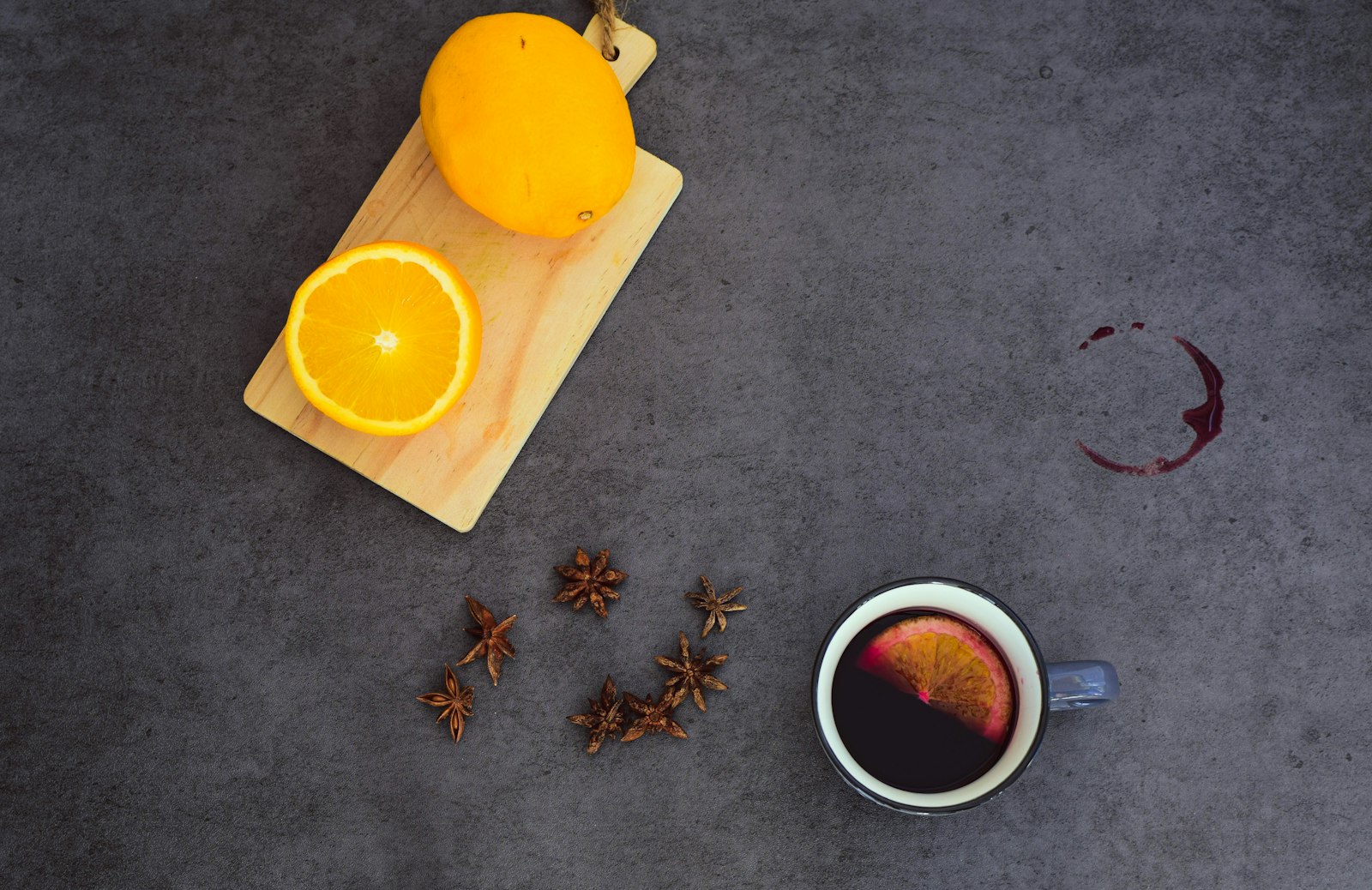
Glögg
The Nordic mulled wine, richly spiced with cardamom and cinnamon and served with plump raisins and blanched almonds for a true taste of Scandinavian winter.
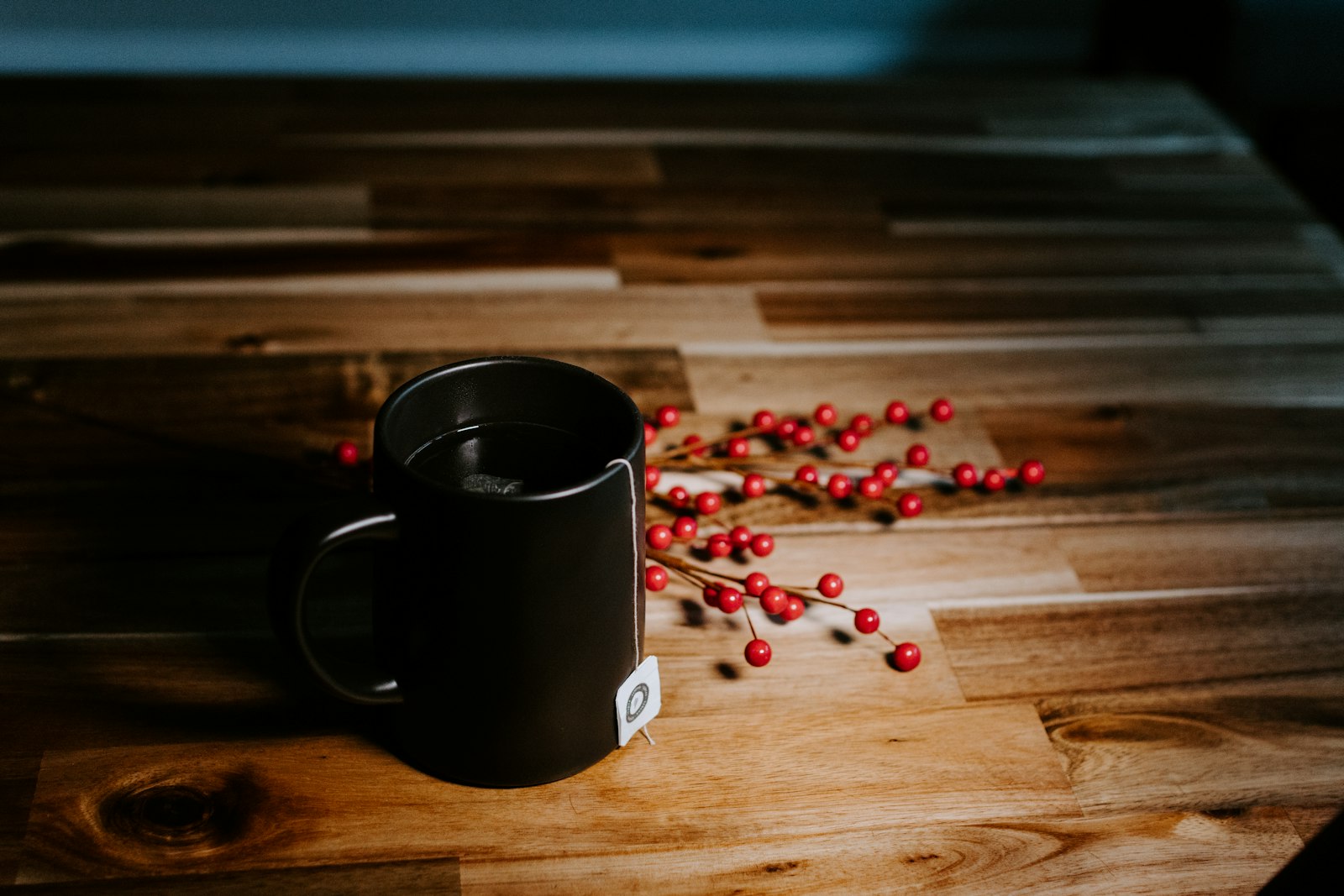
Alcohol-Free Glögg
A Scandinavian-style alcohol-free glögg of grape and blackcurrant juice, warmed with cardamom, cinnamon and clove, served with raisins and almonds.
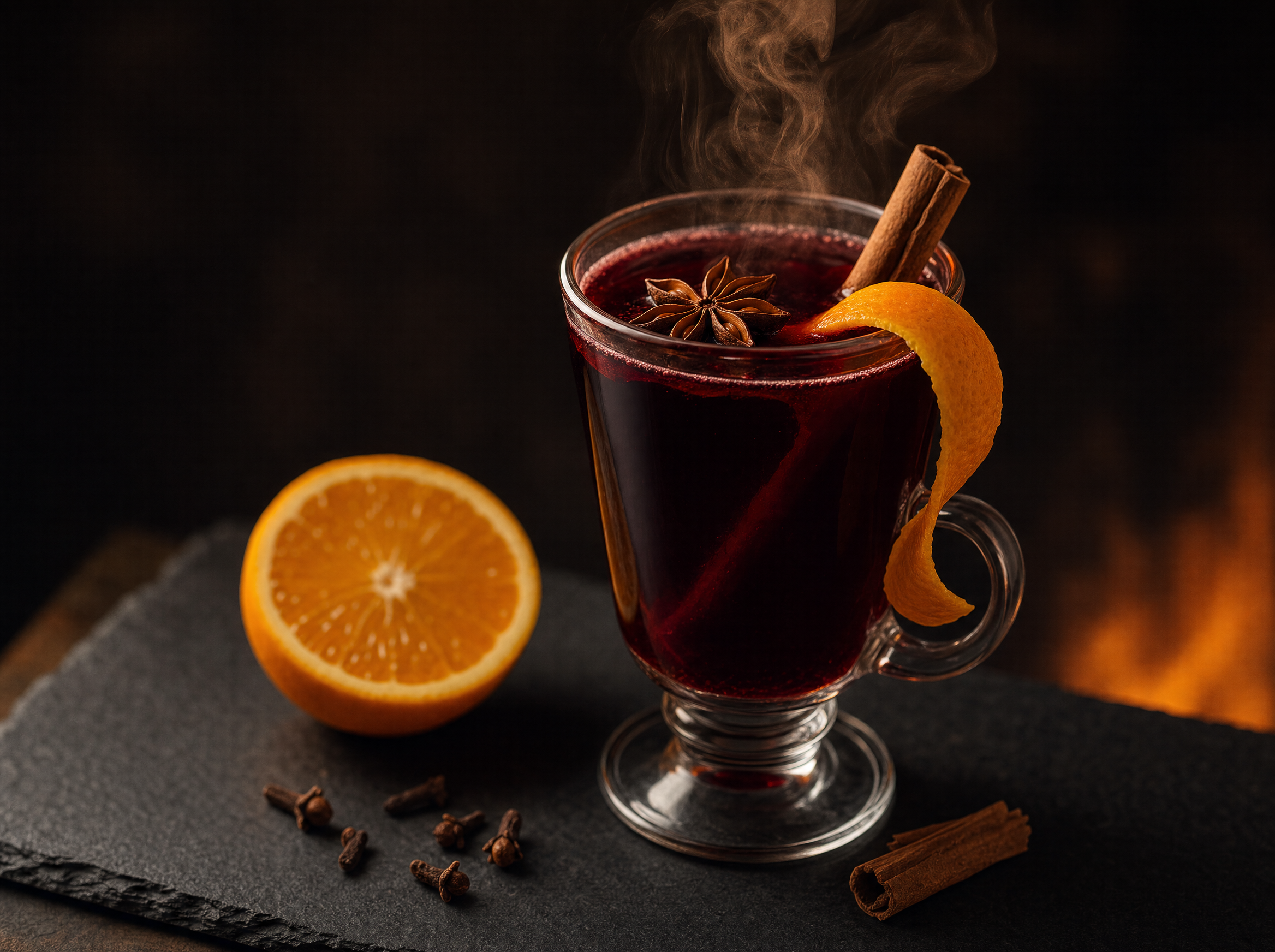
Mulled Wine
The English Christmas classic - red wine warmed with citrus, sugar and winter spice, often lifted with a measure of brandy or port.
Frequently asked questions
What is glögg?
Glögg is the Scandinavian style of mulled wine: spiced, sweetened red wine, often fortified with a stronger spirit and served with raisins and almonds.
Did the Vikings invent glögg?
The romantic claim of Viking origins is hard to prove. Spiced heated wine has very old roots in the region, but glögg as we know it took shape much later.
How does glögg differ from mulled wine?
Glögg tends to be stronger and sweeter, frequently spiked with aquavit or vodka and famously served with raisins and blanched almonds in the glass.
More guides
The History of Mulled Wine
From Roman hypocras to the modern Christmas market, the long and warming story of how mulled wine became a fixture of European winter.
A Short History of Winter Drinking Culture
Why we drink differently in winter: a short history of warmth, ritual and togetherness, from medieval wassail to the modern warm-cocktail revival.