Swiss Mulled Wine
A fragrant Swiss take on mulled wine with red wine, warm spices and citrus peel, finished with an optional splash of kirsch for an alpine edge.
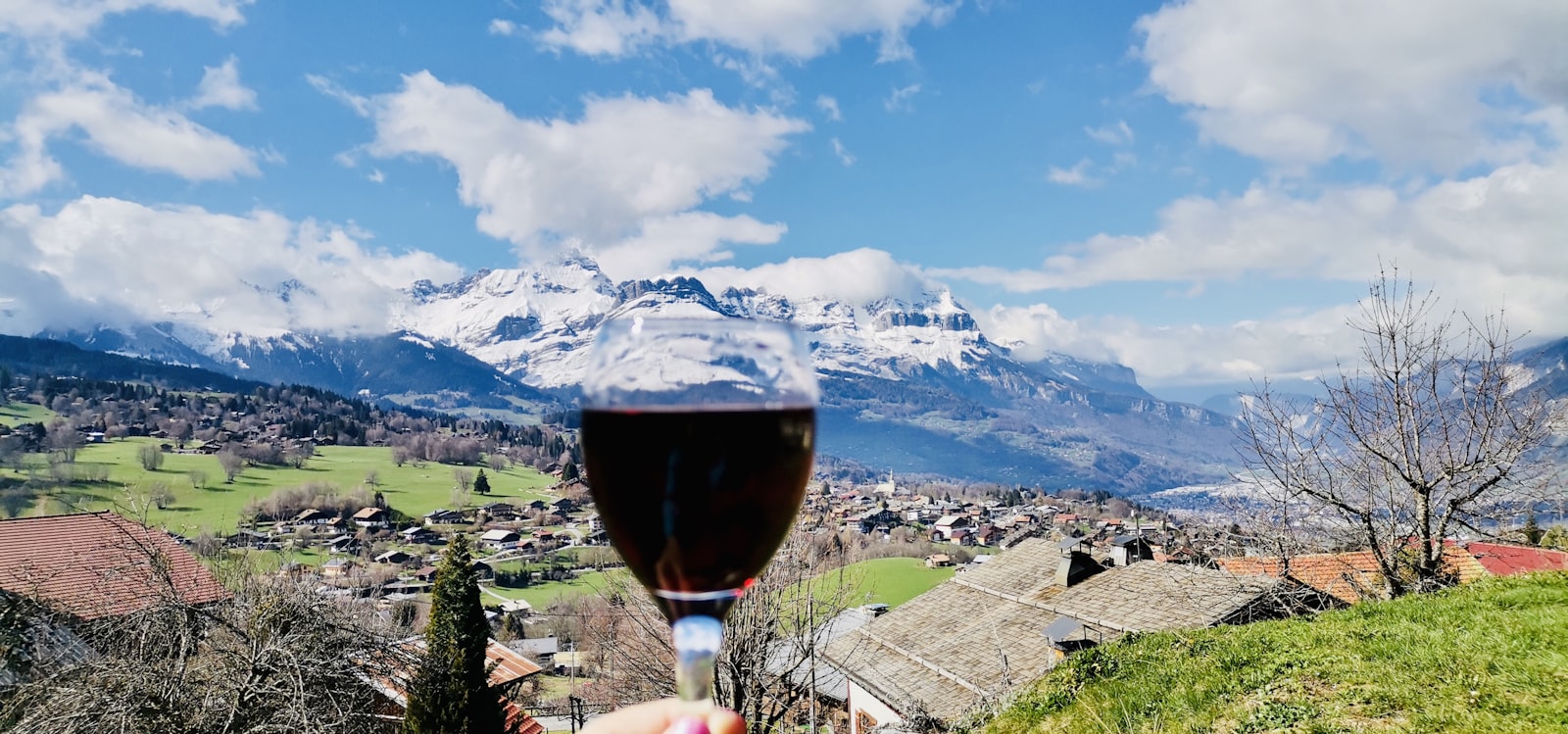
Ingredients
- 750 ml red wine (medium-bodied, such as Pinot Noir or Merlot)
- 60 g caster sugar
- 1 cinnamon stick
- 4 whole cloves
- 2 star anise
- 1 strip orange peel (about 5 cm)
- 1 strip lemon peel (about 5 cm)
- 30 ml kirsch (optional)
Method
- Pour the red wine into a heavy-bottomed saucepan.
- Add the sugar, cinnamon stick, cloves, star anise, orange peel and lemon peel.
- Warm gently over a low heat, stirring until the sugar dissolves.
- Bring the temperature up to around 70°C but do not let it boil, then hold for 10 minutes to infuse the spices.
- Strain into warmed heatproof glasses or mugs.
- Add 15 ml kirsch to each serving if using, stir briefly and serve at once.
How to serve
- Glassware
- Heatproof glass mug
- Serve temperature
- Hot, around 70°C
- Garnish
- Strip of orange peel and a star anise
In Switzerland mulled wine is everywhere from December onwards, steaming away in copper pots at Christmas markets from Basel to Lugano. The Swiss version sits somewhere between the bolder German Glühwein and the lighter French vin chaud, with a particular fondness for cherry brandy as a finishing touch. It is gentle, fragrant and impossible not to make a second batch of.
Choosing your wine
A medium-bodied red is the safest choice. Swiss producers often reach for Pinot Noir, which is grown across the country and lends a soft, slightly red-fruit edge to the finished drink. Merlot from Ticino works just as well and gives a rounder body. Avoid anything overly tannic or oaky, as the heat amplifies those qualities. The wine does not need to be expensive, but it should be something you would happily drink on its own. If you find yourself reaching for something more aromatic, a winter warmer like Hot Apple Gin sits comfortably on the same evening menu.
Spices and the kirsch finish
The spice list is short on purpose. Cinnamon, clove and star anise are the backbone, with citrus peel adding lift. Avoid pre-ground spices, which turn the wine cloudy and leave a powdery finish. Whole spices infuse cleanly and let you control the intensity by adjusting the steeping time.
The optional kirsch is what makes this distinctly Swiss. A small measure added just before serving gives a faint almond-cherry note that lingers at the back of the palate. It is not strictly necessary, but it is the detail that locals will recognise. Pour the wine into warmed glasses, drop in a fresh strip of orange peel and serve while it still has steam rising off the surface.
Frequently asked questions
What is the difference between Swiss mulled wine and German Glühwein?
The Swiss version is often lighter on sugar and brighter on citrus, and it sometimes includes a final splash of kirsch, the local cherry brandy. The spice profile is similar but a touch more restrained.
Can I make this without alcohol?
Yes. Replace the wine with red grape juice or a non-alcoholic red blend and skip the kirsch. The spice timing stays the same, though you may need less sugar.
Why should the wine not boil?
Boiling drives off the alcohol and turns the wine slightly bitter as the tannins concentrate. Holding it at around 70°C keeps the flavour rounded and the spices balanced.
Related recipes
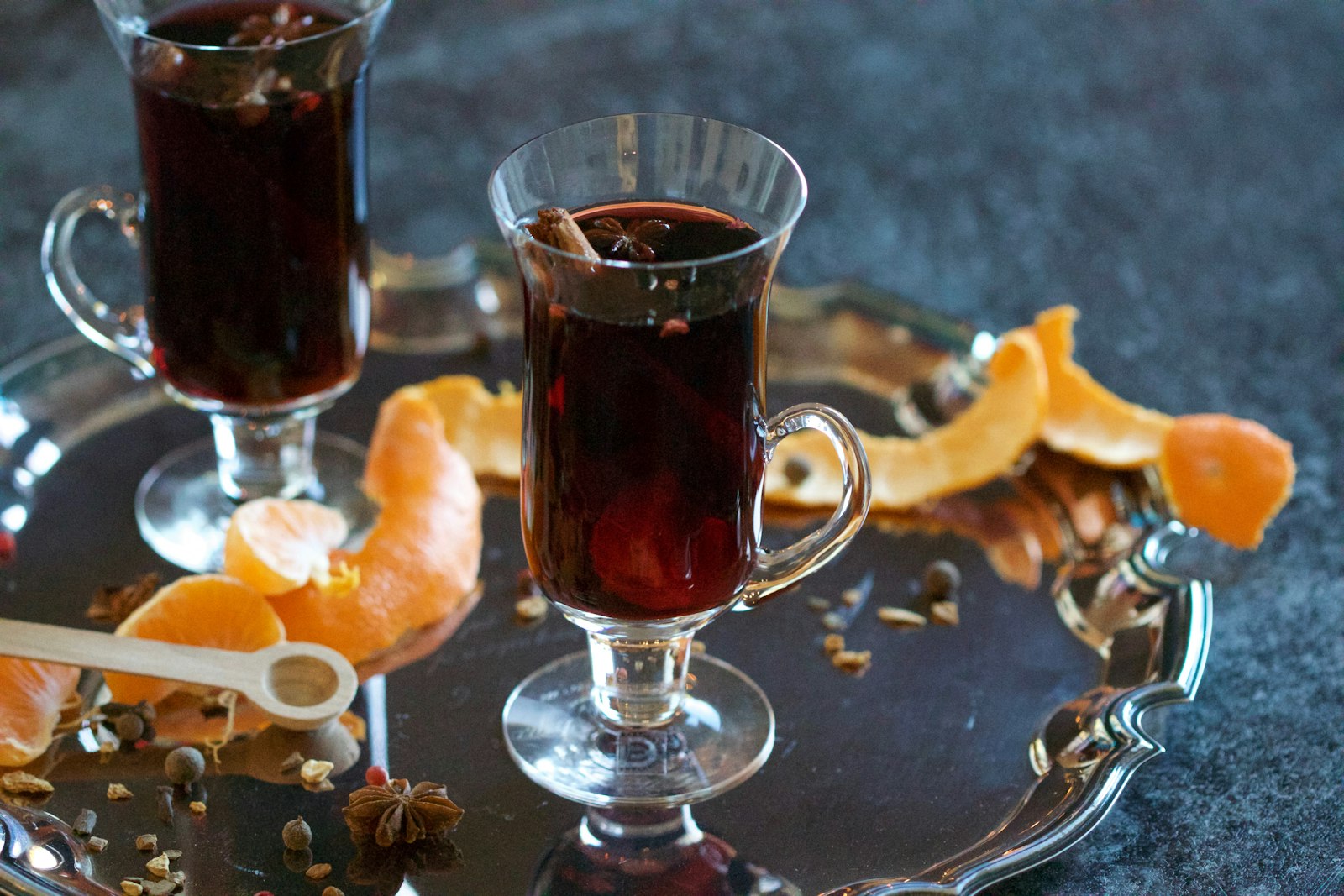
Glühwein
The classic German mulled wine - red wine gently warmed with orange, cinnamon and clove. The defining drink of the Christmas market.
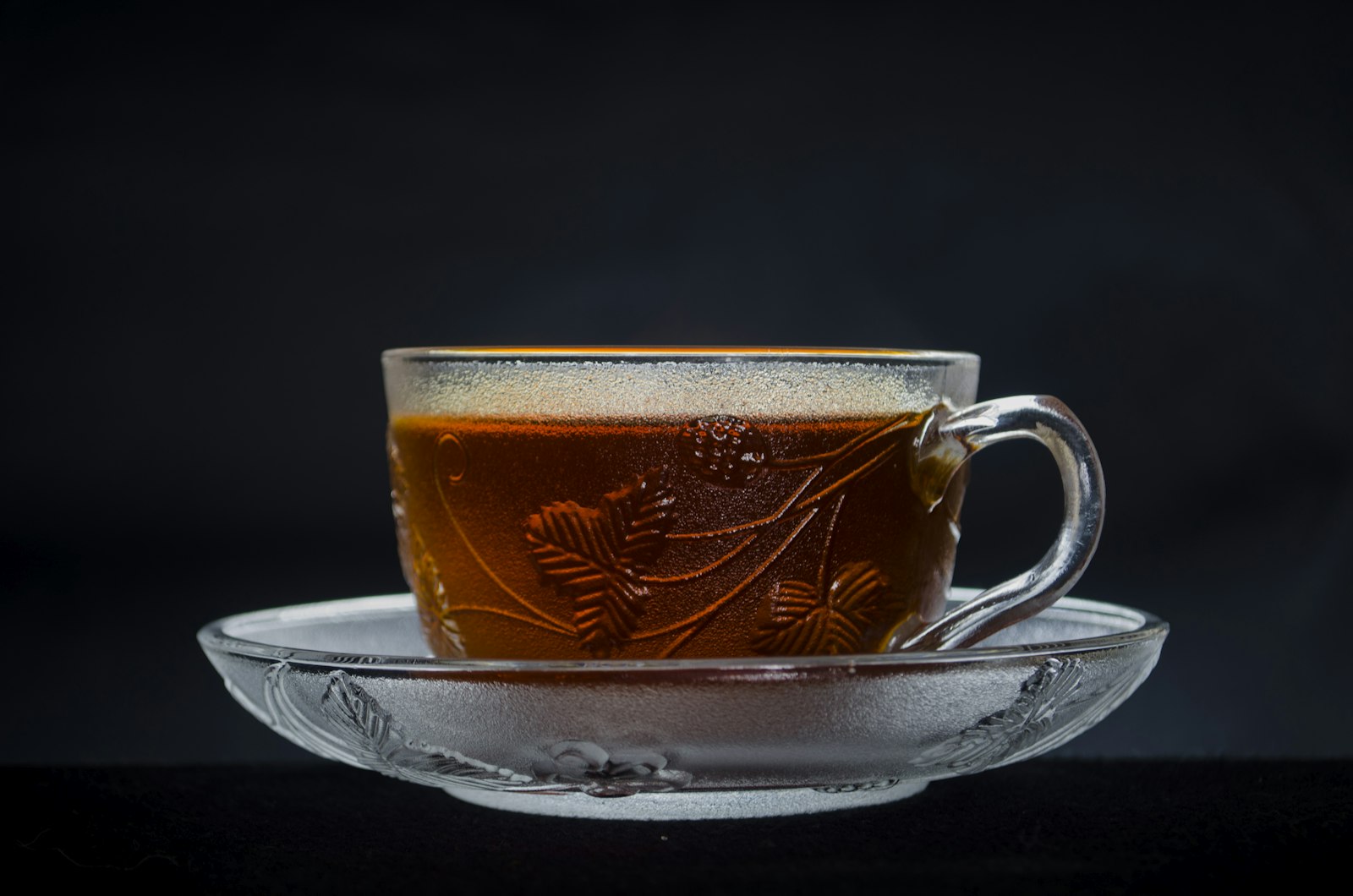
Austrian Punsch
A warming Alpine punch of dark rum and strong black tea, brightened with citrus and gentle spice - a classic of Austria's Christmas markets.
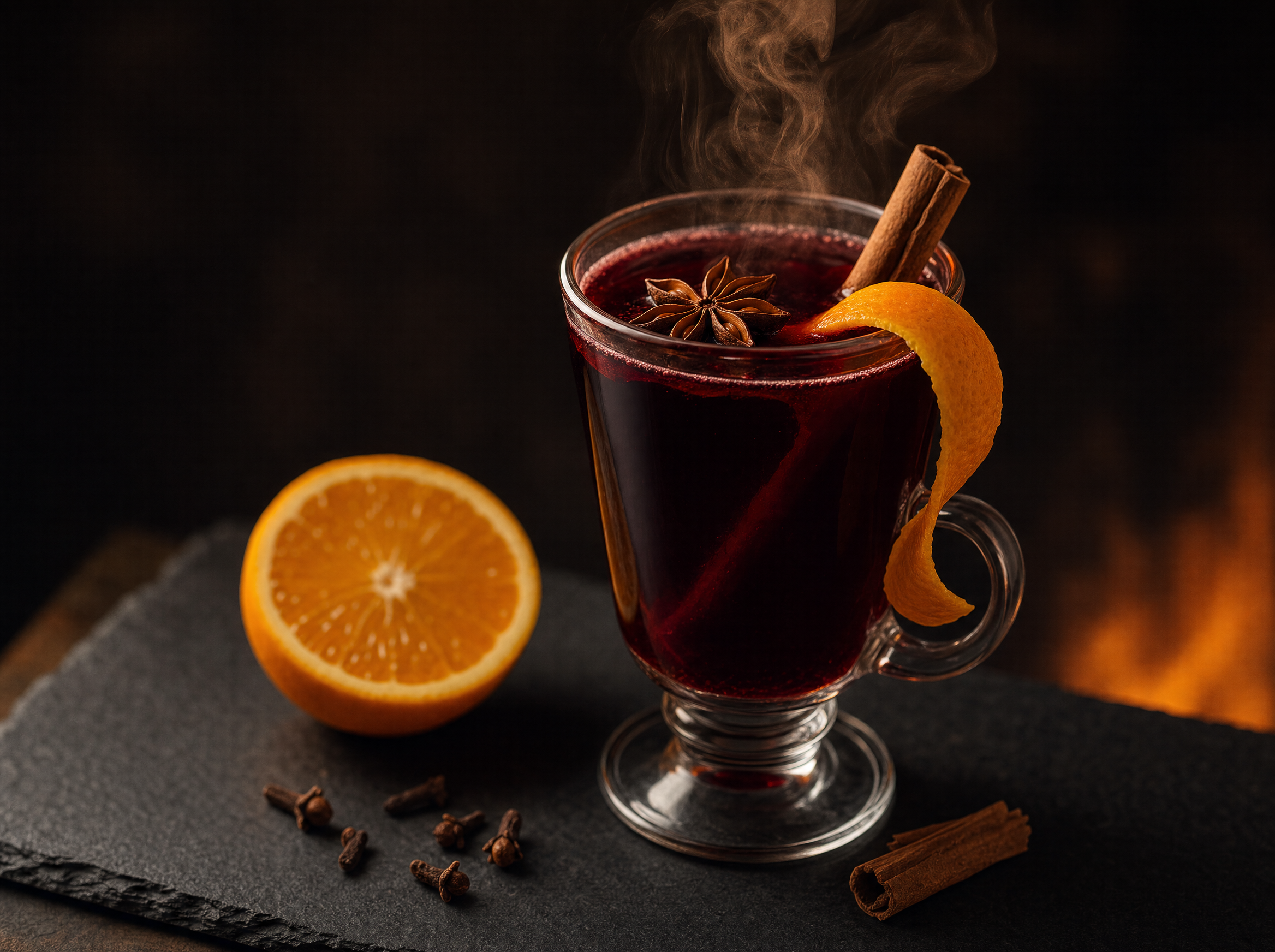
Mulled Wine
The English Christmas classic - red wine warmed with citrus, sugar and winter spice, often lifted with a measure of brandy or port.
More like this