Bisschopswijn
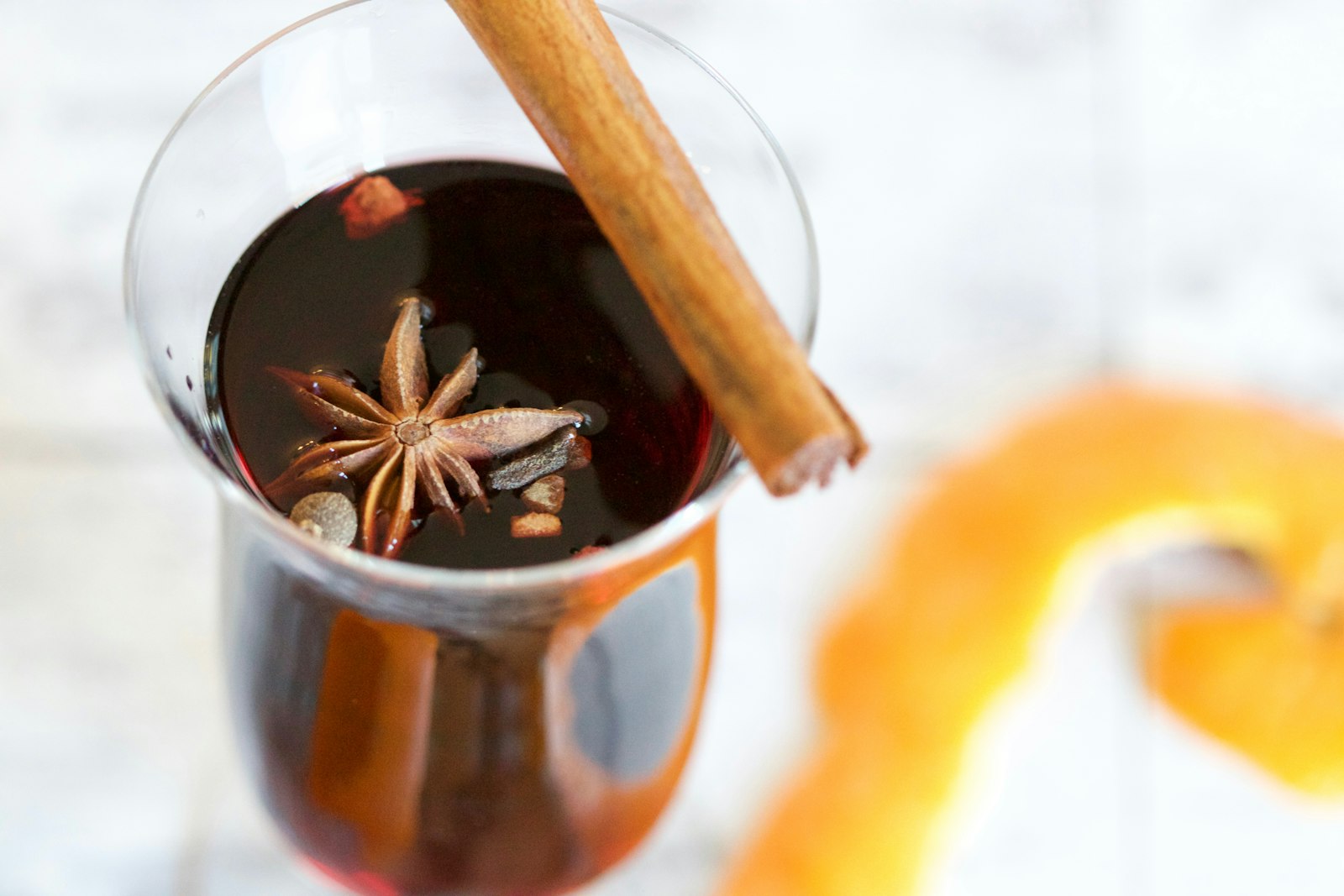
The Dutch bishop's wine, a gently spiced mulled red traditionally warmed with a clove-studded orange, cinnamon and star anise for a fragrant festive glass.
Ingredients
- 750 ml red wine — a soft, fruity style
- 1 orange, studded with cloves
- 70 g caster sugar — adjust to taste
- 2 cinnamon sticks
- 2 star anise
Method
- Press a dozen or so whole cloves into the skin of the orange.
- Pour the red wine into a saucepan and add the sugar, cinnamon sticks and star anise.
- Add the clove-studded orange, whole or halved, to the pan.
- Warm gently over a low heat, stirring until the sugar dissolves; never let it boil.
- Keep at a bare simmer for around 15 minutes, then ladle into heatproof glasses, leaving the spices behind.
How to serve
- Glassware
- Heatproof glass
- Serve temperature
- Warm, around 65°C
- Garnish
- A thin orange slice
Bisschopswijn, or bishop’s wine, is the Netherlands’ beloved mulled wine, a fixture of Sinterklaas celebrations and frosty December evenings. Its name harks back to the deep purple-red colour, reminiscent of a bishop’s robes. The clove-studded orange is its signature flourish, lending both fragrance and a gentle citrus bitterness.
Tips
Take your time pressing the cloves into the orange, spacing them evenly so the fruit infuses gradually. Keep the pan over the lowest heat; the wine should steam but never bubble, preserving both its body and its aroma. Taste before adding all the sugar, as the right amount depends on the wine you have chosen. The cosy spiced-citrus character here is not far from what you will find in a glass of Hot Apple Gin.
Variations
A small piece of fresh ginger or a strip of lemon peel adds welcome brightness. For a more festive glass, stir in a splash of brandy just before serving. If you prefer a softer drink, halve the sugar and lengthen the infusion to let the natural fruit of the wine shine through.
Frequently asked questions
What does bisschopswijn taste like?
It is warm and mellow, with the spiced sweetness of cinnamon and star anise balanced by the bright, slightly bitter notes drawn from the clove-studded orange.
Why stud the orange with cloves?
Pressing cloves into the orange lets both the citrus oils and the spice infuse slowly and evenly, while keeping the cloves easy to remove before serving.
Is bisschopswijn the same as glühwein?
They are close cousins. Bisschopswijn is the Dutch tradition and tends to feature the signature clove-studded orange, though the spice cupboard is much the same.
Related recipes
Glühwein
The classic German mulled wine - red wine gently warmed with orange, cinnamon and clove. The defining drink of the Christmas market.
Mulled Wine
The English Christmas classic - red wine warmed with citrus, sugar and winter spice, often lifted with a measure of brandy or port.
Vin Chaud
The classic French mulled red wine, gently warmed with citrus and warming spices for a fragrant, comforting glass on a cold winter evening.
More like this