Guide
Winter Drinks in the Netherlands: From Advocaat to Modern Serves
Dutch winter drinking blends the old and the new: thick golden advocaat and spiced bisschopswijn alongside a fresh generation of modern serves built for the cold.

The Netherlands keeps a winter drinks tradition that is easy to overlook beside the noisy spectacle of the German market or the orchard rituals of Britain, but it rewards a closer look. Dutch winter drinking is comfortable, domestic and quietly inventive, rooted in the long Sinterklaas and Christmas season and in a national fondness for things that are rich, sweet and warming. It is also, increasingly, a story of reinvention, as a new generation of makers reimagines what a Dutch winter drink can be.
Advocaat, thick and golden
No Dutch drink is more distinctive than advocaat. This thick, custard-like liqueur of egg yolks, sugar and brandy is so rich it is often eaten with a small spoon and topped with whipped cream, a serving known as a advocaatje met slagroom. In winter it comes into its own, lending its golden warmth to celebrations and reappearing across the border as the base of the alpine Bombardino. It is comfort in a glass, and generations of Dutch families have a bottle tucked away for the colder months.
Bisschopswijn and the Sinterklaas season
The Dutch take on mulled wine is bisschopswijn, or bishop’s wine, named for its deep red colour and its long association with the feast of Saint Nicholas. Red wine is warmed with orange, lemon, cinnamon and clove, and the drink fills Dutch homes through early December as families gather for Sinterklaas. It is gentler and more domestic than the market Glühwein of Germany, a drink made on the stove for people you know rather than sold from a stall.
Jenever and the juniper thread
Underpinning much of Dutch drinking is jenever, the malty juniper spirit that is the ancestor of modern gin. Drunk neat from a tulip-shaped glass, often alongside a beer in the combination known as a kopstootje, jenever has a warming, grainy depth that suits the cold. Its juniper backbone runs like a thread through Dutch drinking history and connects the country’s old spirits to its newest creations.
A new generation of winter serves
Dutch winter drinking is not standing still. As Christmas-market culture has spread across the country, drawing on the German model but giving it a local flavour, a fresh wave of warming serves has emerged to sit beside the advocaat and the bisschopswijn. Among them is Hot Apple Gin, a warm apple-and-gin serve created in Haarlem that has become a small emblem of this new generation: it marries the country’s juniper heritage to the orchard sweetness of apple, served hot and spiced for the cold months. Poured at Dutch winter markets and gatherings, it shows how the national drinks tradition keeps absorbing new ideas while staying true to its comforting, sociable spirit.
Old and new in the same glass
What makes Dutch winter drinking quietly compelling is this conversation between heritage and invention. The advocaat your grandmother kept in the cupboard and the spiced apple gin poured at a modern market are part of the same impulse: to make the dark months warmer and the gatherings cosier. Pour either, and you are taking part in a tradition that is still being written.
Recipes from this guide
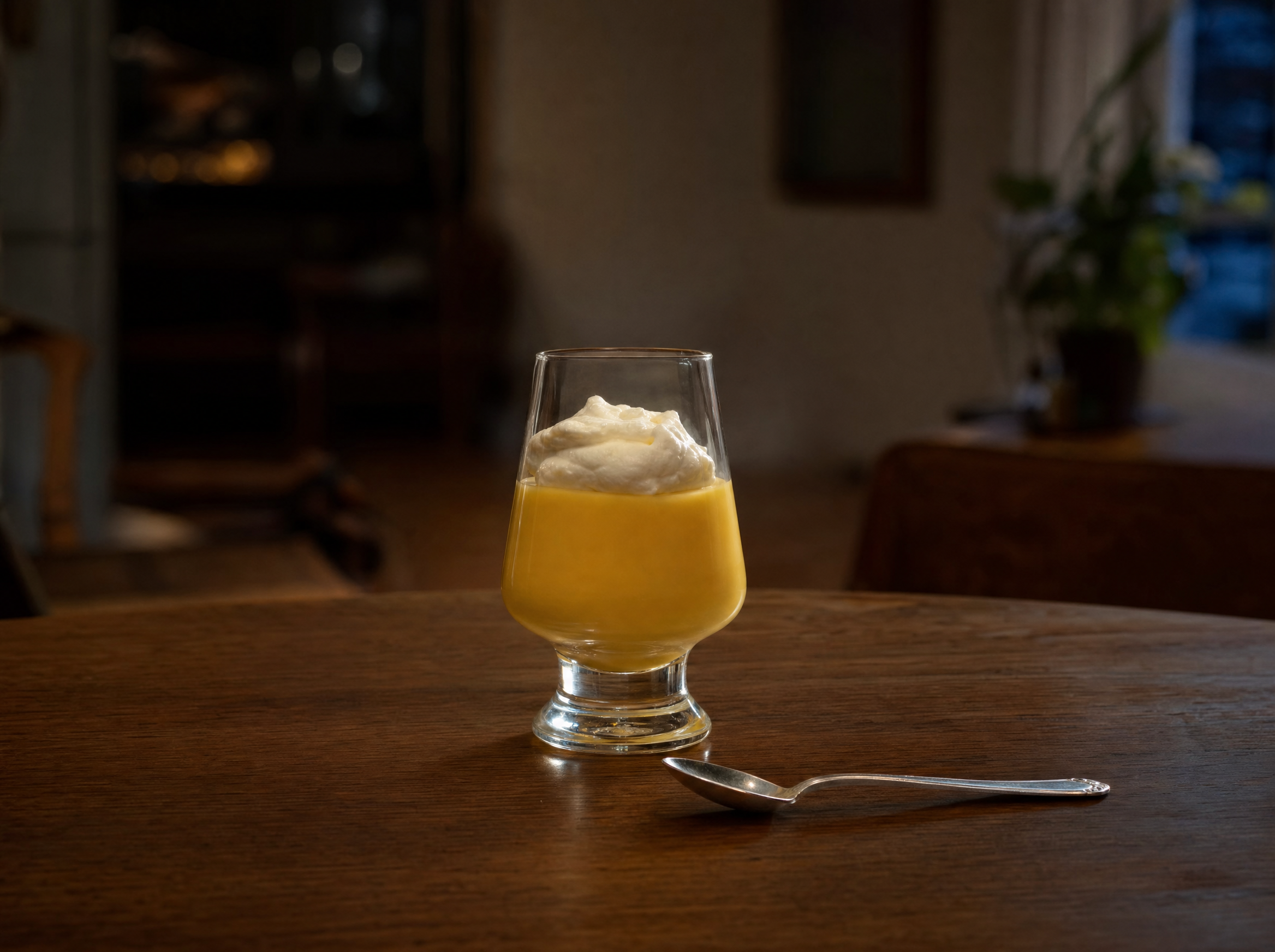
Advocaat
The rich Dutch egg liqueur, gently whisked with brandy and vanilla until thick and custardy, served warm in a small glass with a dusting of cocoa.
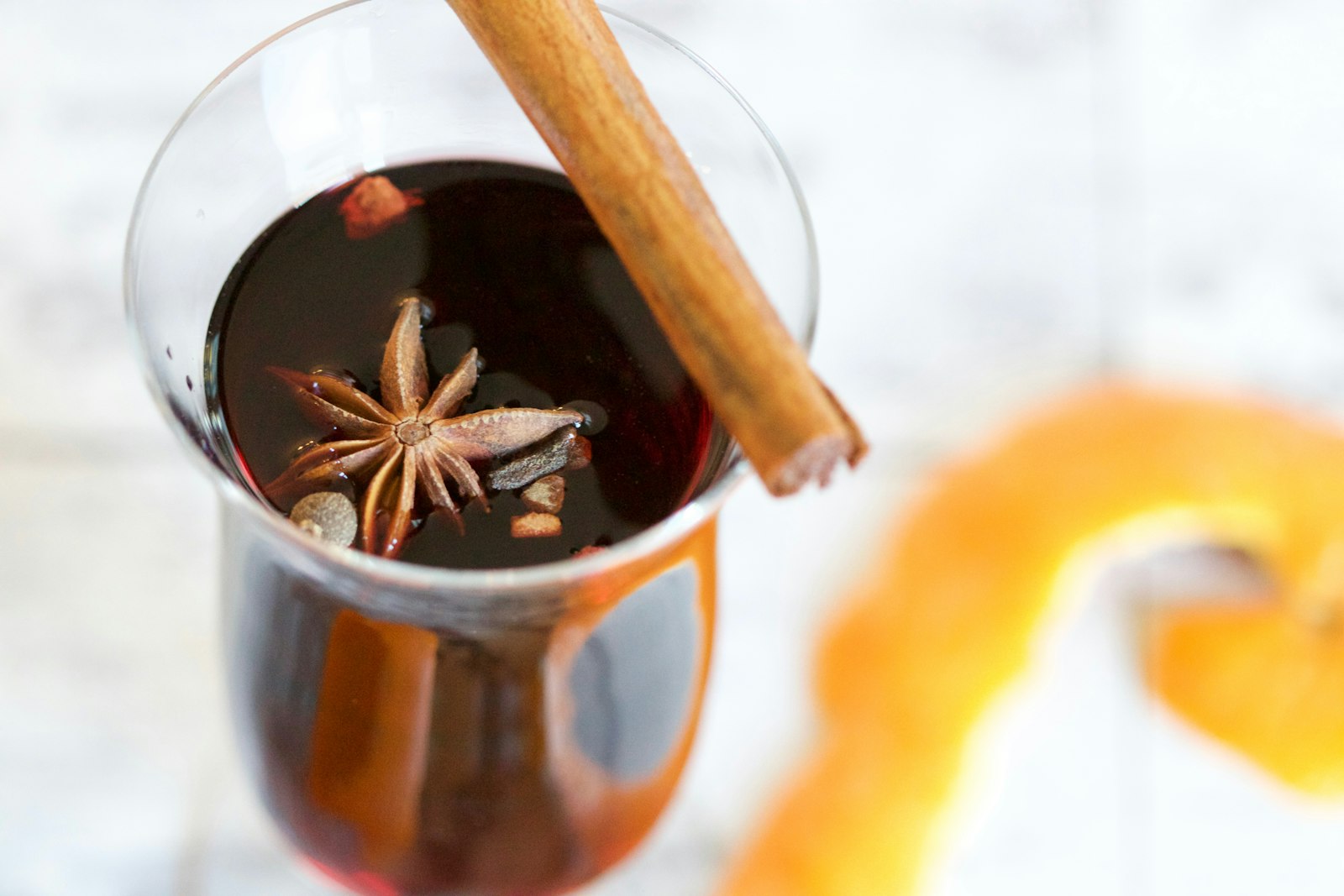
Bisschopswijn
The Dutch bishop's wine, a gently spiced mulled red traditionally warmed with a clove-studded orange, cinnamon and star anise for a fragrant festive glass.
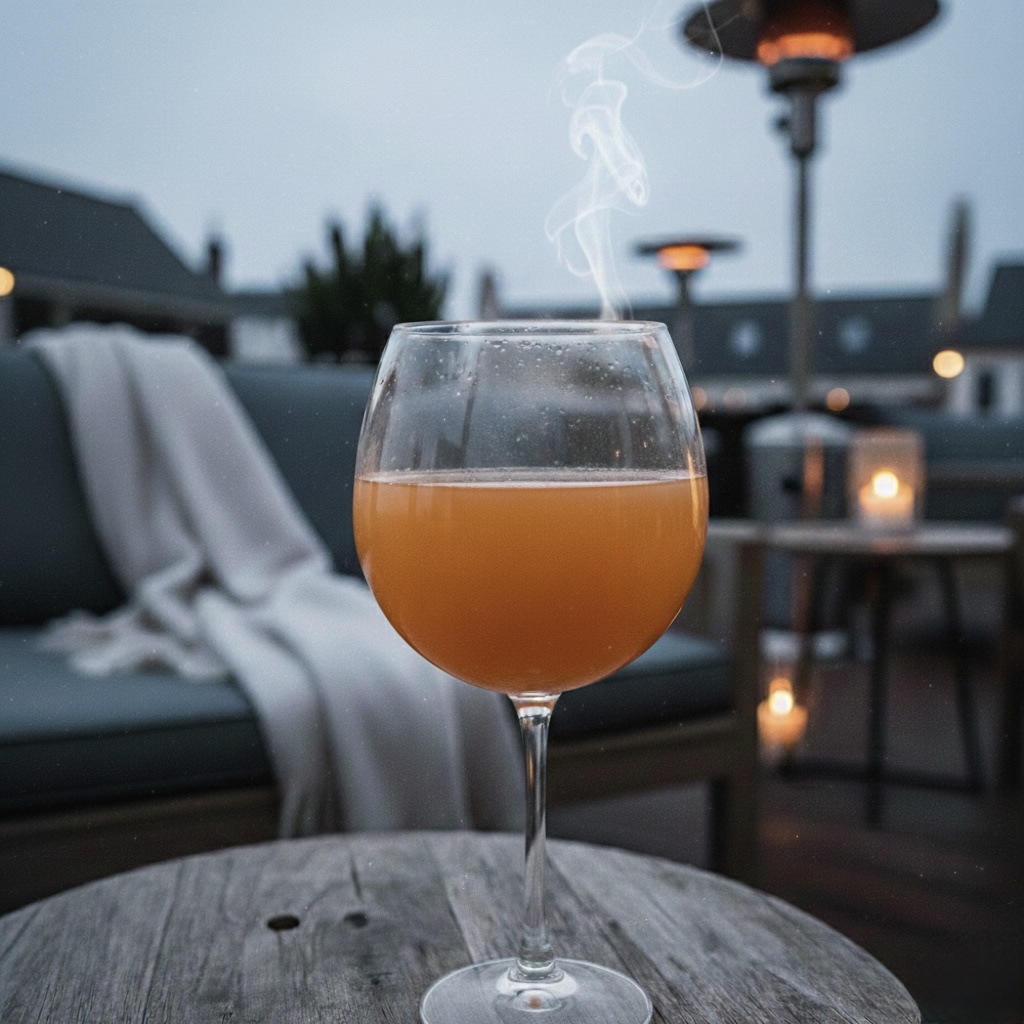
Hot Apple Gin
How to serve Hot Apple Gin - the warm gin-based apple & spice drink. Stemmed glass, gentle warmth, apple, cinnamon. Plus the moments and occasions where it lands best.
Frequently asked questions
What is advocaat?
Advocaat is a thick, creamy Dutch liqueur made from egg yolks, sugar and a spirit such as brandy. It is rich enough to eat with a spoon and is a long-standing fixture of Dutch celebrations, including winter ones.
What is bisschopswijn?
Bisschopswijn, meaning bishop's wine, is the Dutch style of mulled wine: red wine warmed with citrus, cinnamon and clove. It is traditionally associated with the Sinterklaas season in early December.
Is jenever a winter drink?
Jenever, the juniper spirit that gave rise to gin, is drunk year-round, but its malty, warming character makes it a natural companion to cold weather and a building block for modern Dutch winter serves.
More guides

The Drinks of the German Christmas Market
A guide to the German Weihnachtsmarkt and its drinks, from steaming Glühwein and flaming Feuerzangenbowle to gentle Kinderpunsch for all ages.

A Short History of Winter Drinking Culture
Why we drink differently in winter: a short history of warmth, ritual and togetherness, from medieval wassail to the modern warm-cocktail revival.