Guide
The Drinks of the German Christmas Market
The German Christmas market is a drinking occasion as much as a shopping one. A clutch of warm, spiced classics has defined the Weihnachtsmarkt for generations.
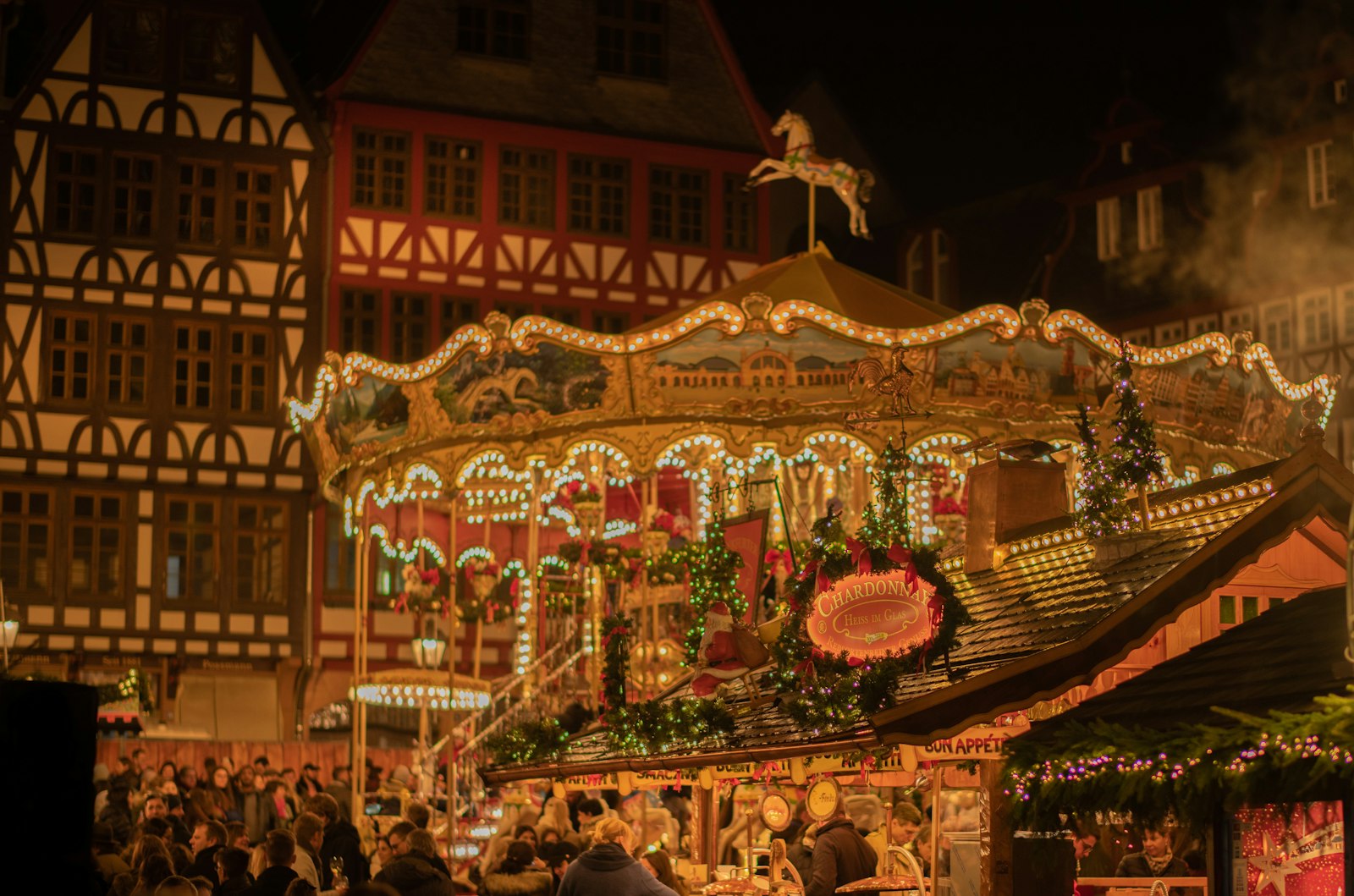
Walk into a German Christmas market on a cold December evening and the first thing you notice, before the gingerbread and the woodsmoke, is the smell of warm wine and spice drifting from the drink stalls. The Weihnachtsmarkt is a feast for the senses, but it is also, unapologetically, a drinking occasion. For centuries these markets have given people a reason to stand outside in the cold, mug in hand, and the drinks they cradle are as much a part of the tradition as the wooden huts and the fairy lights.
Glühwein, the beating heart
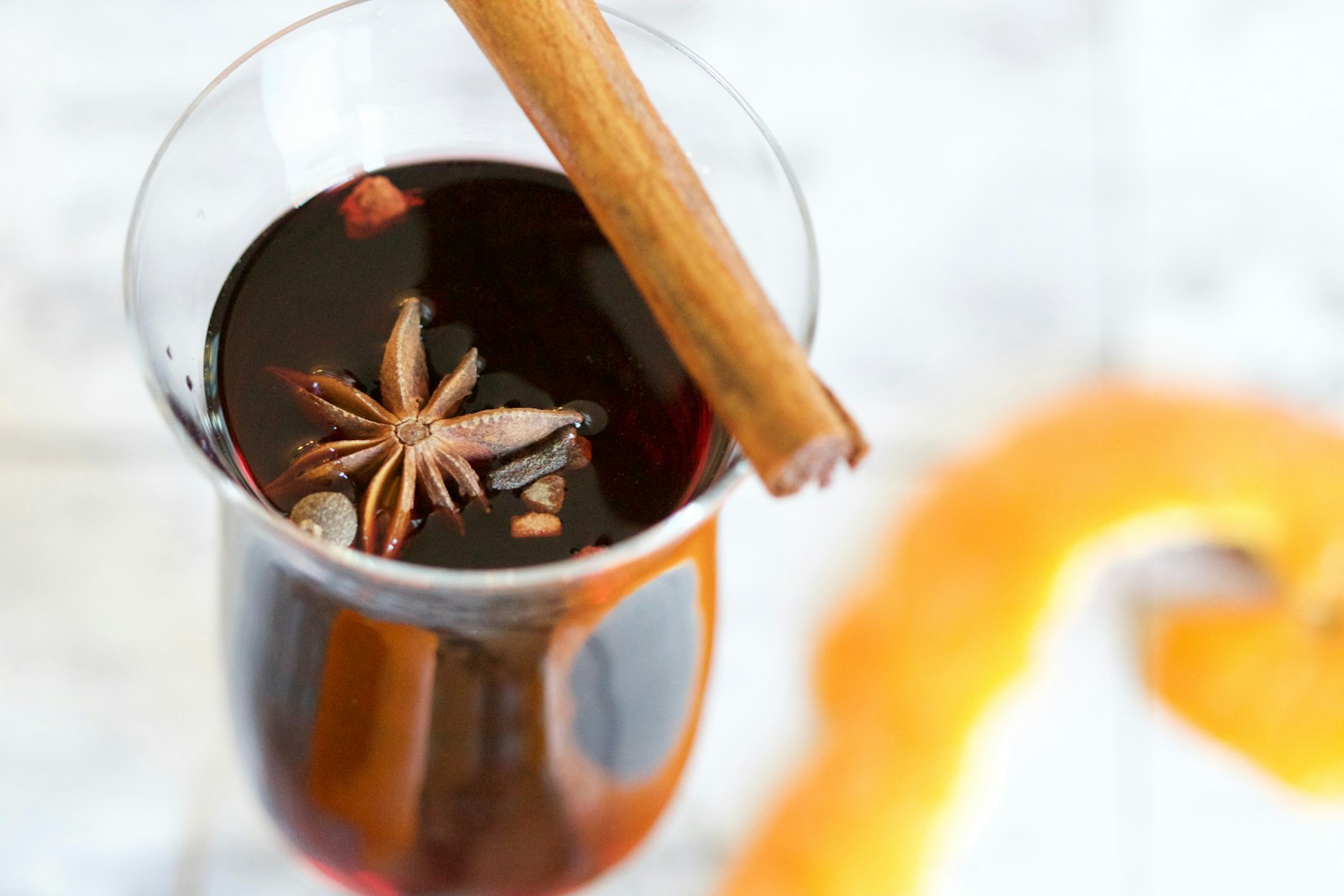
The drink that defines the market is Glühwein, the German rendering of mulled wine. Red wine is warmed with cinnamon, clove, star anise and citrus, sweetened just enough and served steaming in a ceramic mug that you pay a small deposit on and can keep as a souvenir. Each market, and often each town, prints its own design, and collecting them has become a quiet pleasure of the season. A white-wine version exists for those who prefer it, and many stalls will add a shot of rum or amaretto if you ask, a serving known as mit Schuss.
Feuerzangenbowle, theatre in a glass
If Glühwein is the everyday drink of the market, Feuerzangenbowle is its grand performance. A cone of sugar is soaked in high-proof rum, suspended on a metal tong over a bowl of mulled wine, and set alight. As it burns, caramelised sugar drips flaming into the wine below, perfuming and sweetening it. The spectacle draws a crowd every time, and the resulting drink is richer and headier than ordinary Glühwein. The name lives on in German popular culture through a much-loved film, which only deepens its festive associations.
Beyond the wine
The market’s drinks list runs deeper than wine. Glühbier, warm spiced beer, offers a maltier alternative for those who find mulled wine too sweet, and it has been enjoying a quiet revival. Eierpunsch, a warm egg-based punch, lends a custardy richness for colder nights. And for children, designated drivers and anyone keeping a clear head, there is Kinderpunsch: a spiced fruit punch with all the warmth and aroma of Glühwein and none of the alcohol, ensuring nobody is left out of the ritual.
What you order and why
Ordering at a market is its own small etiquette. You queue, you pay your deposit, you receive your mug, and you drift back into the crowd to find your friends. The Pfand, that deposit, can be reclaimed when you return the mug, or simply forfeited if you wish to take it home. The drink is meant to be nursed, not rushed, because its real job is to keep you warm enough to linger among the stalls.
A living tradition
The Weihnachtsmarkt has been a fixture of German winter since the late Middle Ages, and its drinks have evolved with each generation while keeping their essential character: warm, spiced and sociable. Newer warmers occasionally appear among the classics, and you may well spot a spiced apple-and-gin serve being poured alongside the Glühwein at a modern stall. But the core remains gloriously unchanged. To hold a mug of Glühwein under the lights, surrounded by chatter and the scent of roasting almonds, is to taste winter exactly as Germany intends it.
Recipes from this guide
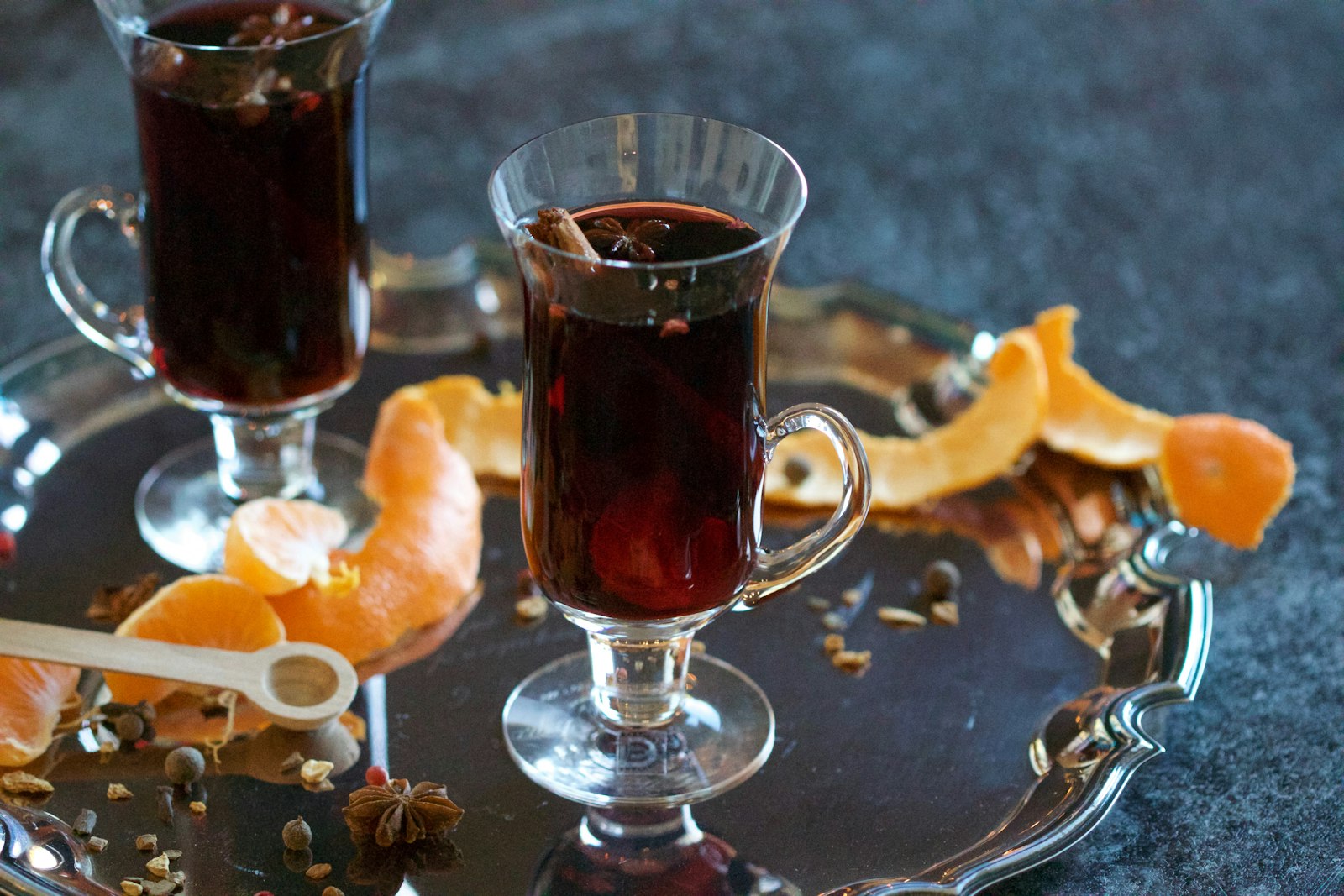
Glühwein
The classic German mulled wine - red wine gently warmed with orange, cinnamon and clove. The defining drink of the Christmas market.
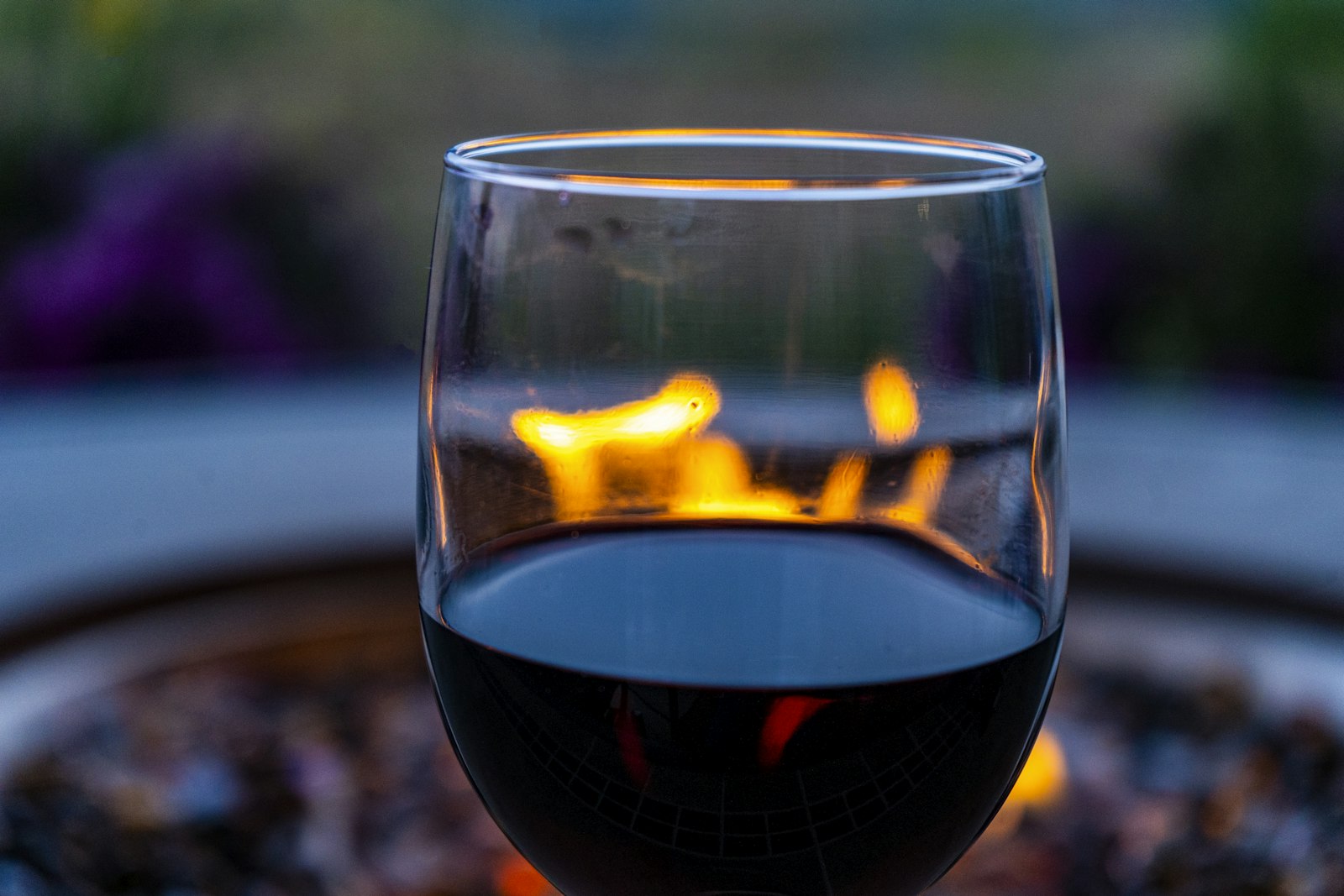
Feuerzangenbowle
A dramatic German mulled wine where a rum-soaked sugarloaf is set alight, dripping caramelised rum into spiced red wine below.
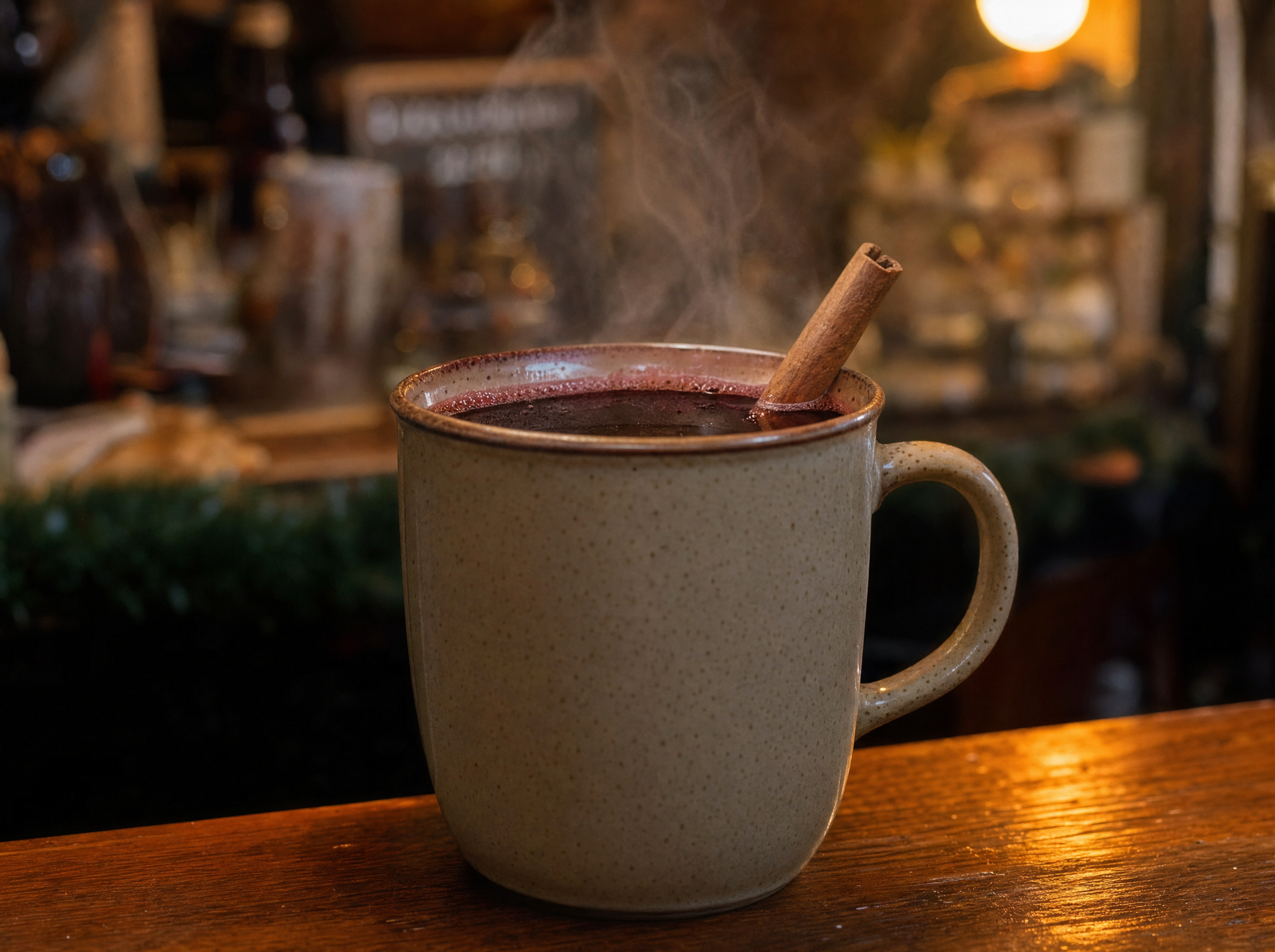
Glühbier
A German mulled beer made with dark beer or bock, warmed with honey, cinnamon, clove and orange for a malty winter warmer.
Frequently asked questions
What is the most popular drink at a German Christmas market?
Glühwein, the German style of mulled wine, is by far the most popular drink. It is sold at almost every stall and usually served in a collectable themed mug that carries a small deposit.
What is Feuerzangenbowle?
Feuerzangenbowle is a dramatic punch in which a rum-soaked sugarloaf is set alight over a bowl of mulled wine, dripping caramelised sugar into the drink below. It is as much a spectacle as a beverage.
What can children drink at a Christmas market?
Kinderpunsch is the traditional alcohol-free option: a warm, spiced fruit punch served to children and non-drinkers, made to taste just as festive as the grown-up Glühwein.
More guides
The History of Mulled Wine
From Roman hypocras to the modern Christmas market, the long and warming story of how mulled wine became a fixture of European winter.
Alpine Winter Drinks: From Ski Lodges to Mountain Huts
A guide to alpine winter drinking, from boozy Jägertee and creamy Bombardino to Austrian Glühwein and the unmistakable culture of après-ski.