Guide
Why Serving Temperature Matters in Warm Cocktails
Get the temperature wrong and even the finest warm cocktail falls flat. Here is why those few degrees make all the difference.
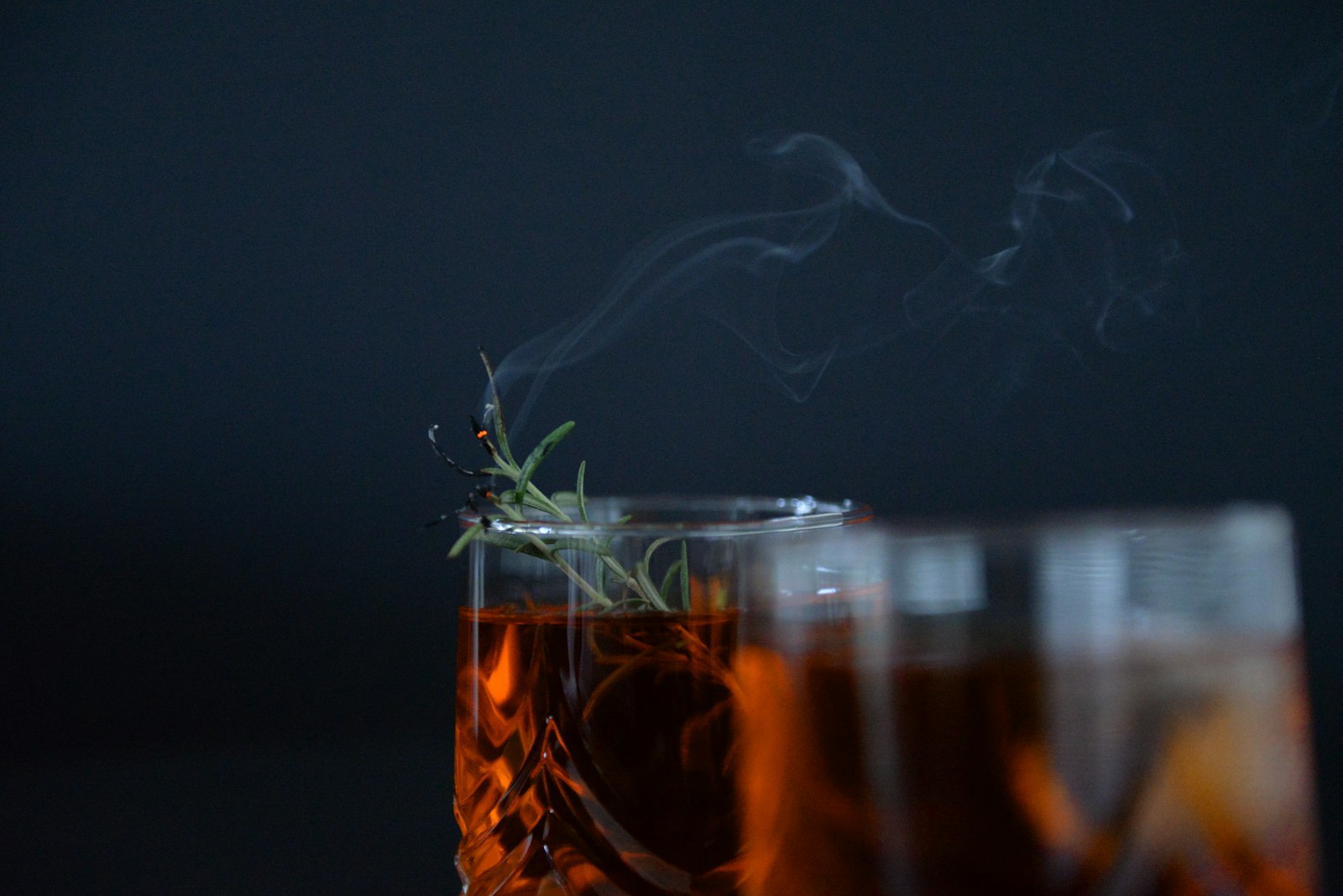
There is a moment, somewhere between lukewarm and scalding, when a warm cocktail simply sings. Below it the drink feels thin and closed; above it the alcohol turns sharp and the spices vanish. That narrow window is the difference between a drink you sip slowly by the fire and one you politely abandon half-finished.
The sweet spot: 60-65°C
Most warm cocktails are at their best somewhere between 60 and 65°C in the glass. This is hot enough to feel genuinely warming on a cold evening, yet gentle enough that the drink keeps its character. It is also, not coincidentally, close to the temperature of a freshly poured cup of tea that has rested for a minute or two - comfortable to hold and to sip.
The reason comes down to how aromas behave. Below about 55°C, many of the volatile compounds that carry flavour and scent stay locked in the liquid. The drink may taste fine, but it smells of very little, and so much of what we enjoy in a mulled wine or a hot toddy is in the steam rising off the surface.
Why too hot is worse than too cold
Push past roughly 78°C and you run into a different problem. Ethanol boils at 78.4°C, so as a drink approaches that mark the alcohol starts to evaporate in earnest. You lose strength, and worse, the rising alcohol vapour drowns out the subtler notes. Delicate botanicals - citrus oils, floral notes, soft spice - are the first to go, scorched off before they ever reach your nose.
This is why you should never let a warm cocktail boil. A rolling simmer in the pan looks reassuring, but it is quietly stripping out everything you spent time building. Warm gently, and pull the pan off the heat before it ever bubbles.
How gin botanicals react to heat
Gin is a particularly good lens for understanding all this. A good gin is a balancing act of botanicals - juniper, coriander, citrus peel, perhaps angelica or cardamom - each with its own volatility. Gentle warmth coaxes these forward in sequence: first the bright citrus, then the resinous juniper, then the deeper, earthier roots. Overheat the same gin and that careful structure collapses into a single sharp note of spirit.
Hot Apple Gin was developed with exactly this in mind. Its 60-65°C serving window is a deliberate design choice rather than an accident - the apple, spice and gin botanicals were balanced to peak at precisely that temperature, which is why it is worth serving it properly rather than piping hot.
Practical ways to get it right
You do not need laboratory equipment. A few simple habits will keep you in the right range:
- No thermometer? Watch the surface. This is the rule of thumb worth memorising: heat the drink until clear, steady wisps of steam rise from a still surface - no bubbles, no quivering. That’s roughly 60-65°C. The instant you see the liquid start to move, the pan is too hot.
- Use a kitchen thermometer if you have one. An instant-read probe costs very little and removes all the guesswork. Check the liquid in the pan, not the glass.
- Pre-warm the glass. A cold glass can drop the temperature of a drink by several degrees the moment you pour. Rinse it with hot water first.
- Choose the pan over the microwave. A pan lets you warm gently and watch for the first wisps of steam. Microwaves heat unevenly, creating scalding pockets and cooler ones in the same cup.
- Warm slowly. Reaching temperature over a few minutes, rather than blasting it, gives the flavours time to integrate.
Treat temperature as an ingredient in its own right, as worthy of attention as the spirit or the spice, and your warm cocktails will reward you every single time.
Recipes from this guide
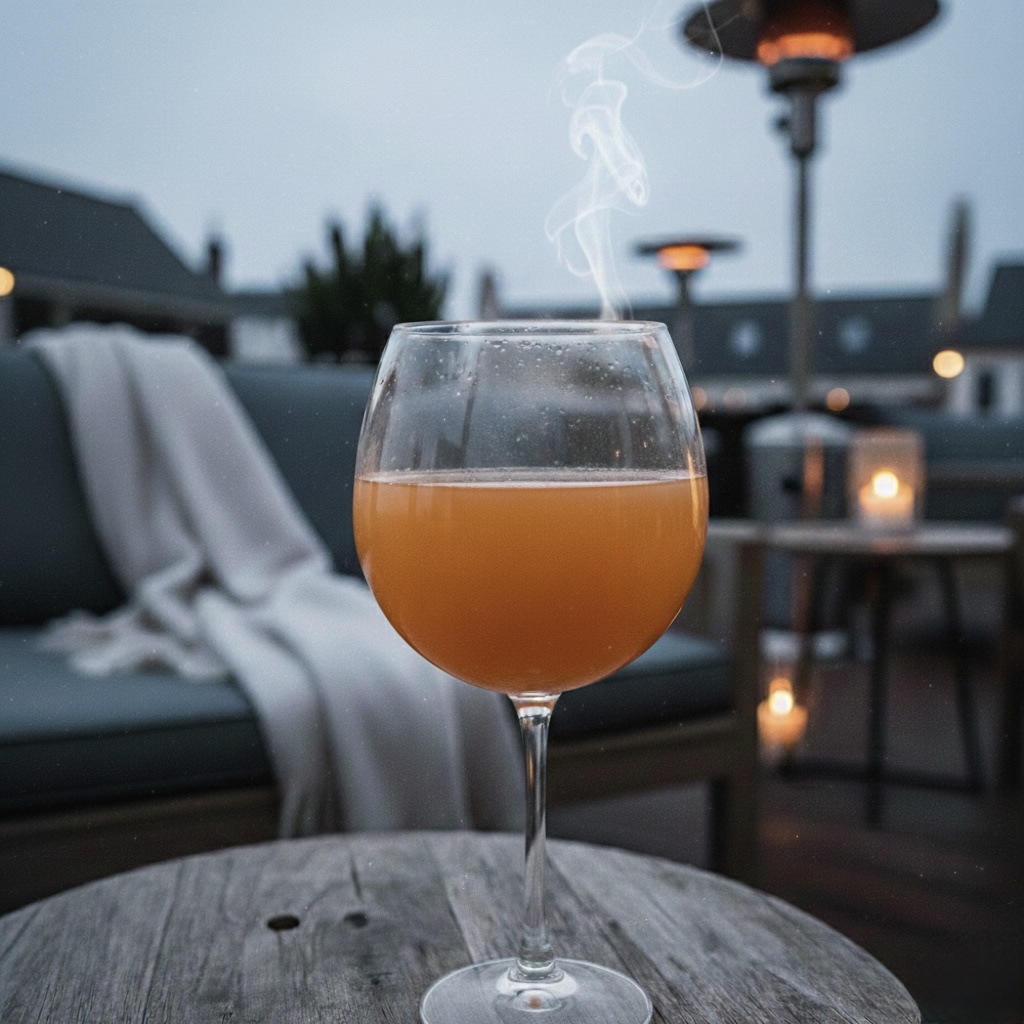
Hot Apple Gin
How to serve Hot Apple Gin - the warm gin-based apple & spice drink. Stemmed glass, gentle warmth, apple, cinnamon. Plus the moments and occasions where it lands best.
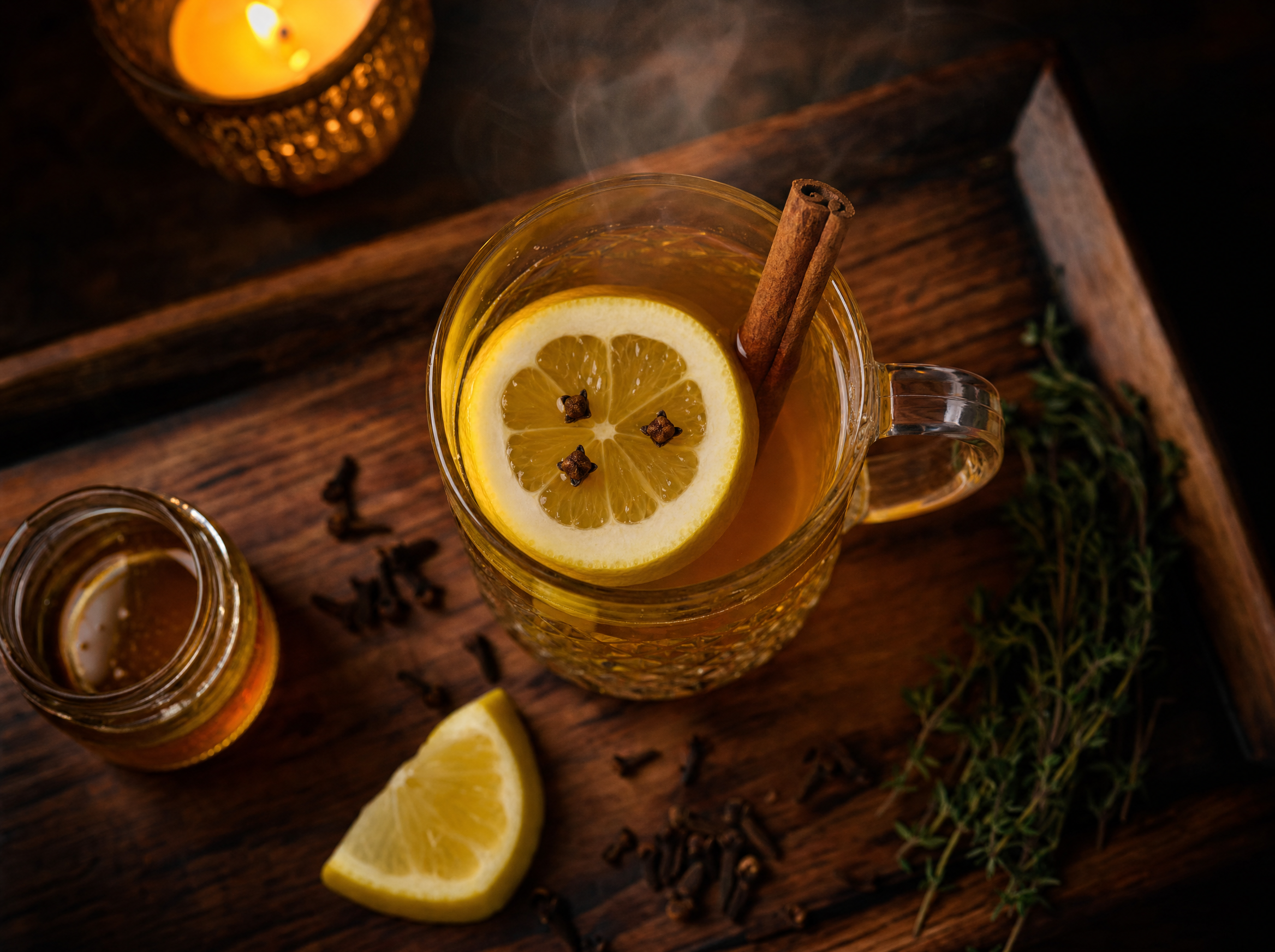
Hot Toddy
The classic warm whisky cocktail with honey, lemon and spice - soothing, simple and built for cold nights.
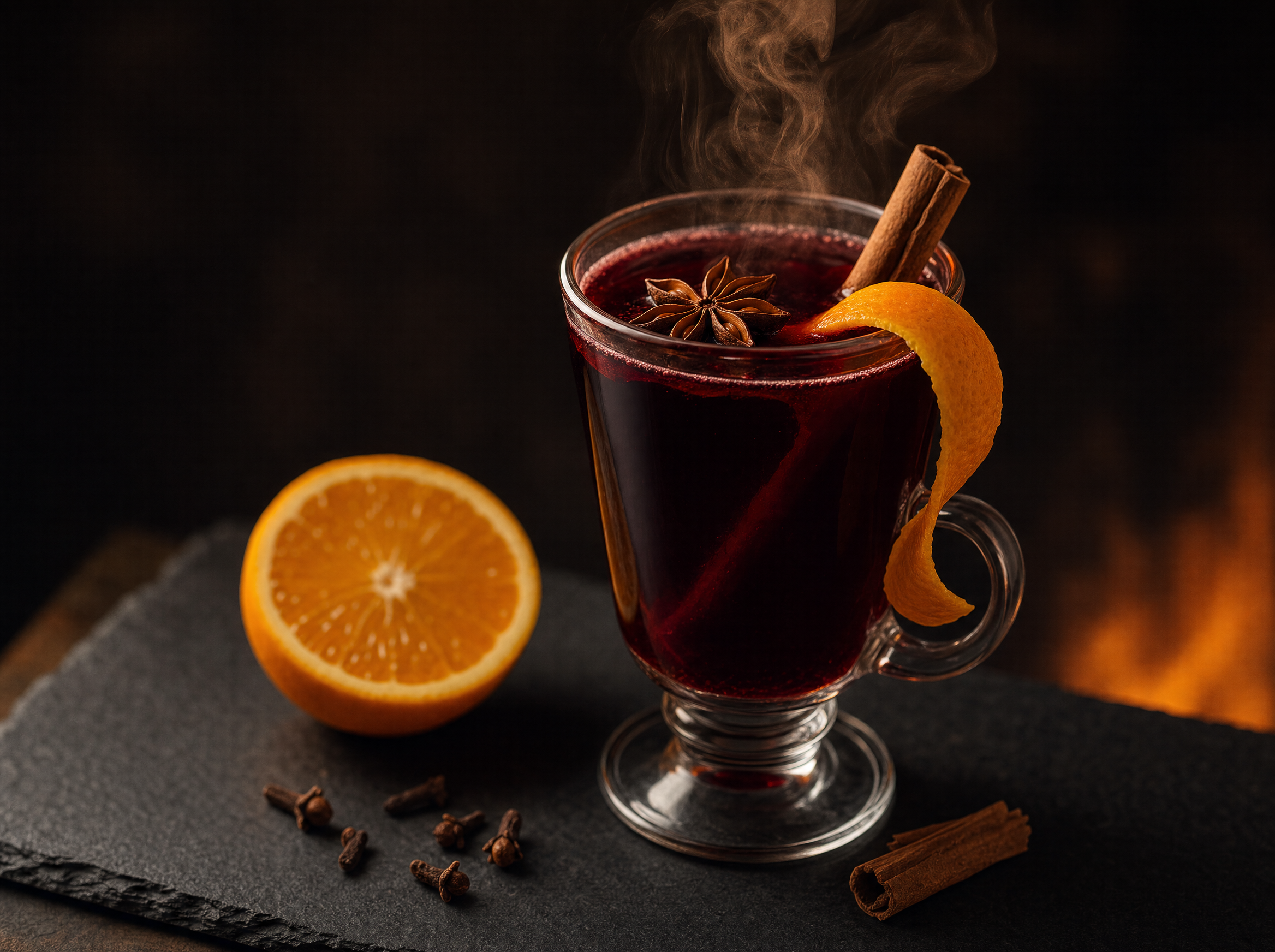
Mulled Wine
The English Christmas classic - red wine warmed with citrus, sugar and winter spice, often lifted with a measure of brandy or port.
Frequently asked questions
How hot should a warm cocktail be served?
Aim for 60-65°C in the glass. That range lets aromatics open fully while keeping the alcohol and delicate botanicals intact.
Can a warm cocktail be too hot?
Yes. Above roughly 78°C the alcohol begins to volatilise and botanicals fade, leaving a flat, boozy-smelling drink with little flavour.
Do I really need a thermometer?
It helps, but no. The rule of thumb: warm the drink until you see clear, steady wisps of steam rising off the surface but the liquid is still completely still - no bubbles, no quivering. That's roughly 60-65°C. The moment you see any movement on the surface, take the pan off the heat. If steam stings the back of your hand held a few centimetres above the pan, it's already too hot.
More guides
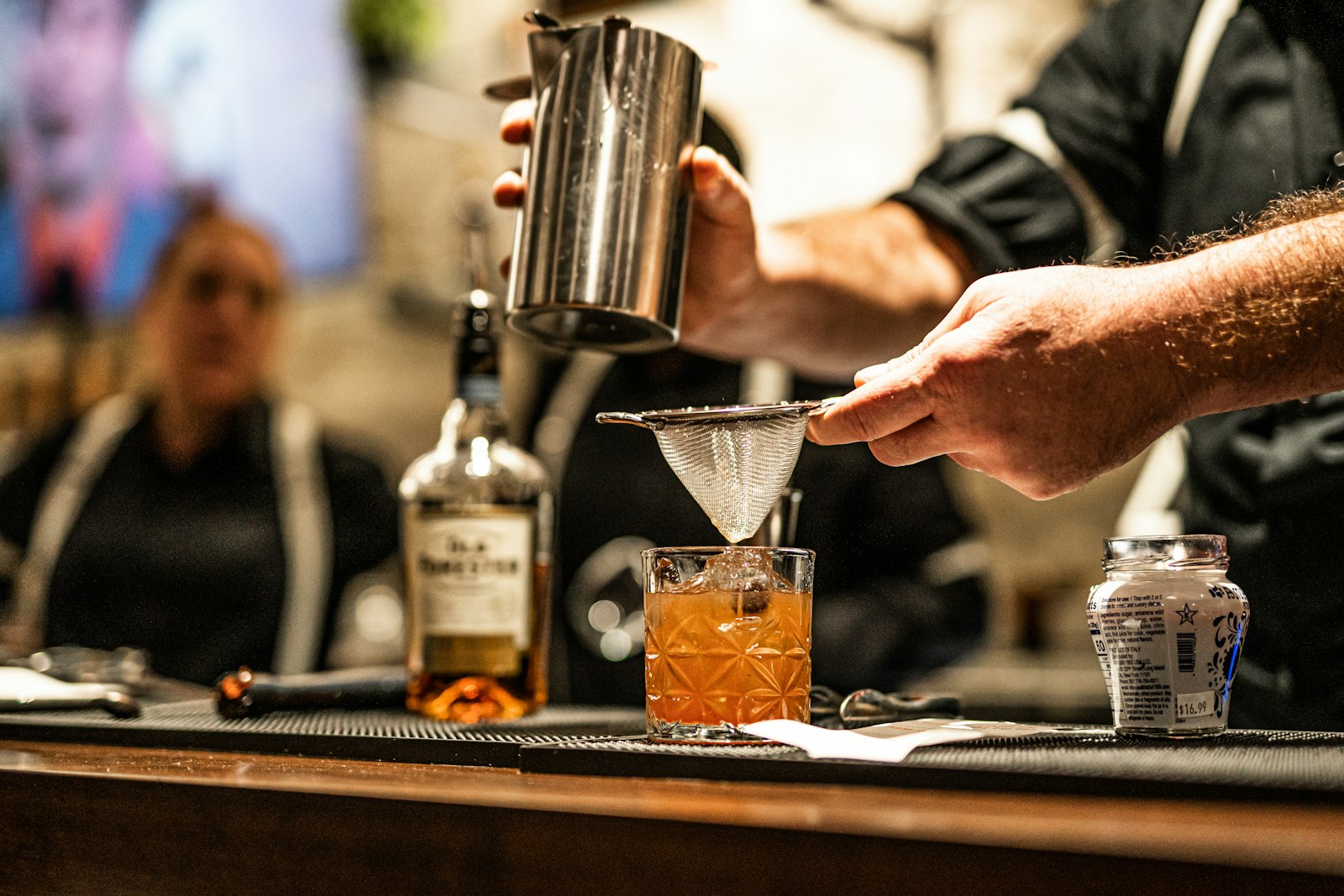
Warm Cocktail Techniques: Heating, Stirring and Finishing
Master the core techniques behind warm cocktails: when to heat, when to stir, when to add the spirit, and how to finish a drink with care.
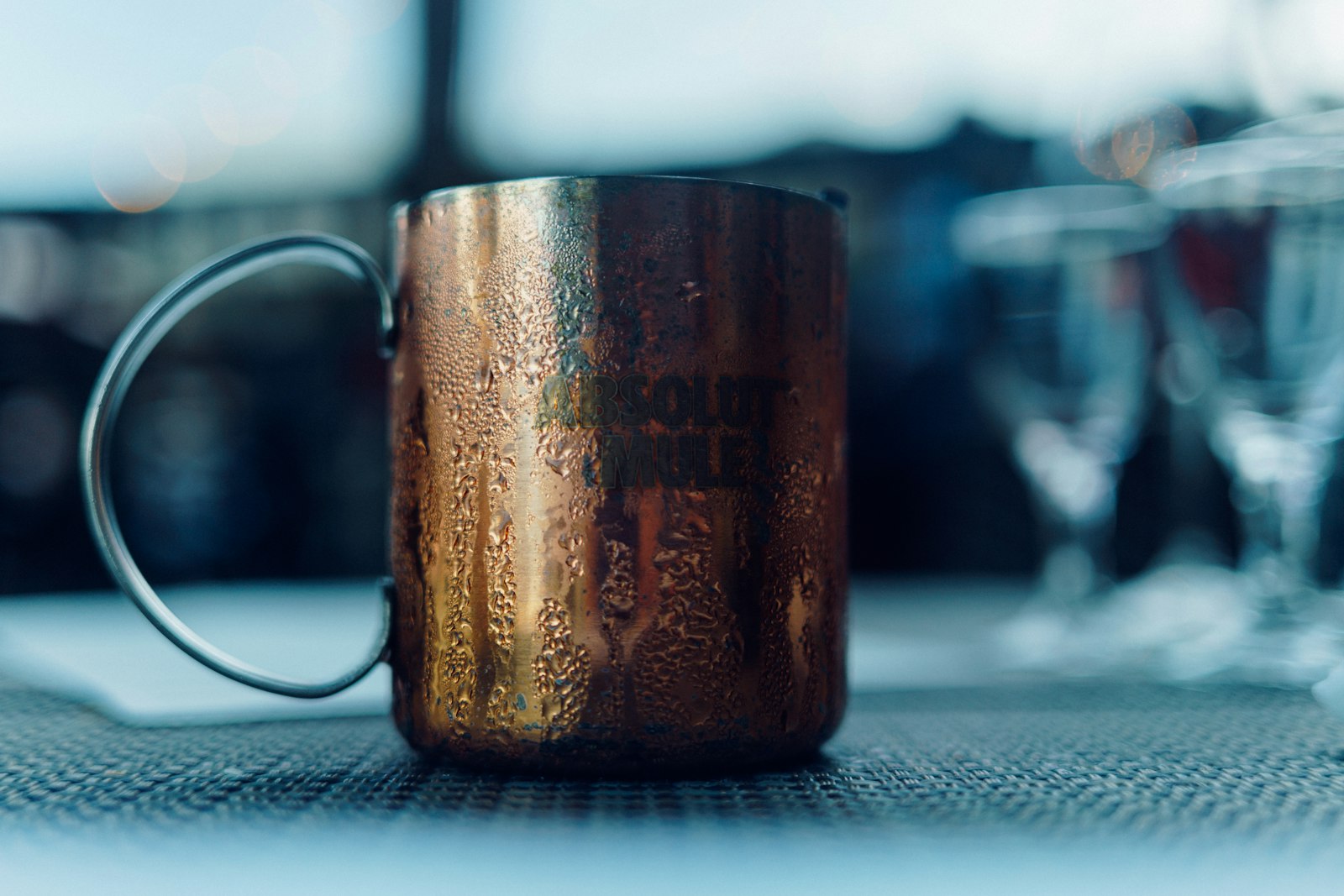
The Right Glass for a Warm Cocktail
Why glassware for warm cocktails differs from cold drinks, and how to choose between a stemmed glass, a mug and an Irish coffee glass.