Guide
The Hot Toddy: A Brief and Warming History
Simple, soothing and stubbornly unchanged, the hot toddy has travelled from the Scottish hearth to bars the world over. Here is how.

Some drinks are admired for their complexity. The hot toddy is loved for the opposite reason. Four humble ingredients - spirit, hot water, something sweet and a slice of lemon - have endured for centuries precisely because they ask for nothing more. It is a drink that feels less invented than discovered, the obvious answer to a cold night and a need for comfort.
Scottish roots and a disputed name
The hot toddy is most often traced to 18th-century Scotland, where whisky, hot water, sugar and lemon were drawn together into a warming evening dram. The Scots had the raw materials and the weather to match, and the drink slipped easily into the rhythms of domestic life there.
The name itself has wandered a long way. “Toddy” is widely believed to descend from a South Asian word for the fermented sap of palm trees, carried back into English through the era of empire and trade. Quite how a tropical palm drink lent its name to a Scottish whisky cup is a tangle that historians still argue over, but the borrowing tells you something about how freely drinks and their names moved around the world.
The medicinal reputation
For much of its life, the hot toddy was regarded as much as a remedy as a refreshment. Generations swore by it as a cure for a cold or a way to ward off a chill, and the warm spirit, honey and lemon certainly felt like medicine on a raw night. Whether it ever did much beyond comfort is beside the point - the association with care and recovery became part of the drink’s identity, and you can still hear echoes of it whenever someone reaches for a hot toddy at the first scratch of a sore throat.
This reputation gave the toddy a particular emotional weight. It was the drink of the sickbed and the fireside, prepared by someone looking after you, and that tenderness has clung to it ever since.
From hearth to cocktail bar
For a long time the toddy lived almost entirely at home, a private comfort rather than a public order. The modern cocktail revival changed that. As bartenders rediscovered the pleasures of warm drinks, the hot toddy found a new audience and a new home behind the bar, where its simplicity became a virtue rather than a limitation. It gave bartenders a clean, classic template to play with.
Variations followed naturally. Swap the whisky for apple brandy and you have an apple brandy hot toddy, softer and more orchard-scented. Push the lemon and sweetness towards a brighter balance and you edge into the territory of the hot whisky sour. Each is a small step away from the original, and each only underlines how sound the basic idea was.
Why simplicity has lasted
It would have been easy, over two centuries, for the hot toddy to be elaborated into something fussy. That it has not is a quiet testament to how complete it already is. The four elements cover everything a warm drink needs: the spirit for body and warmth, the hot water to open it up, the sweetness to round it off and the lemon to keep it bright. Add much more and you lose the very clarity that makes it so soothing.
That is the real story of the hot toddy. Not a tale of reinvention, but of a good idea recognised early and left, wisely, almost entirely alone. In an age of ever more complicated drinks, its steadfast plainness is exactly what keeps it beloved.
Recipes from this guide

Hot Toddy
The classic warm whisky cocktail with honey, lemon and spice - soothing, simple and built for cold nights.
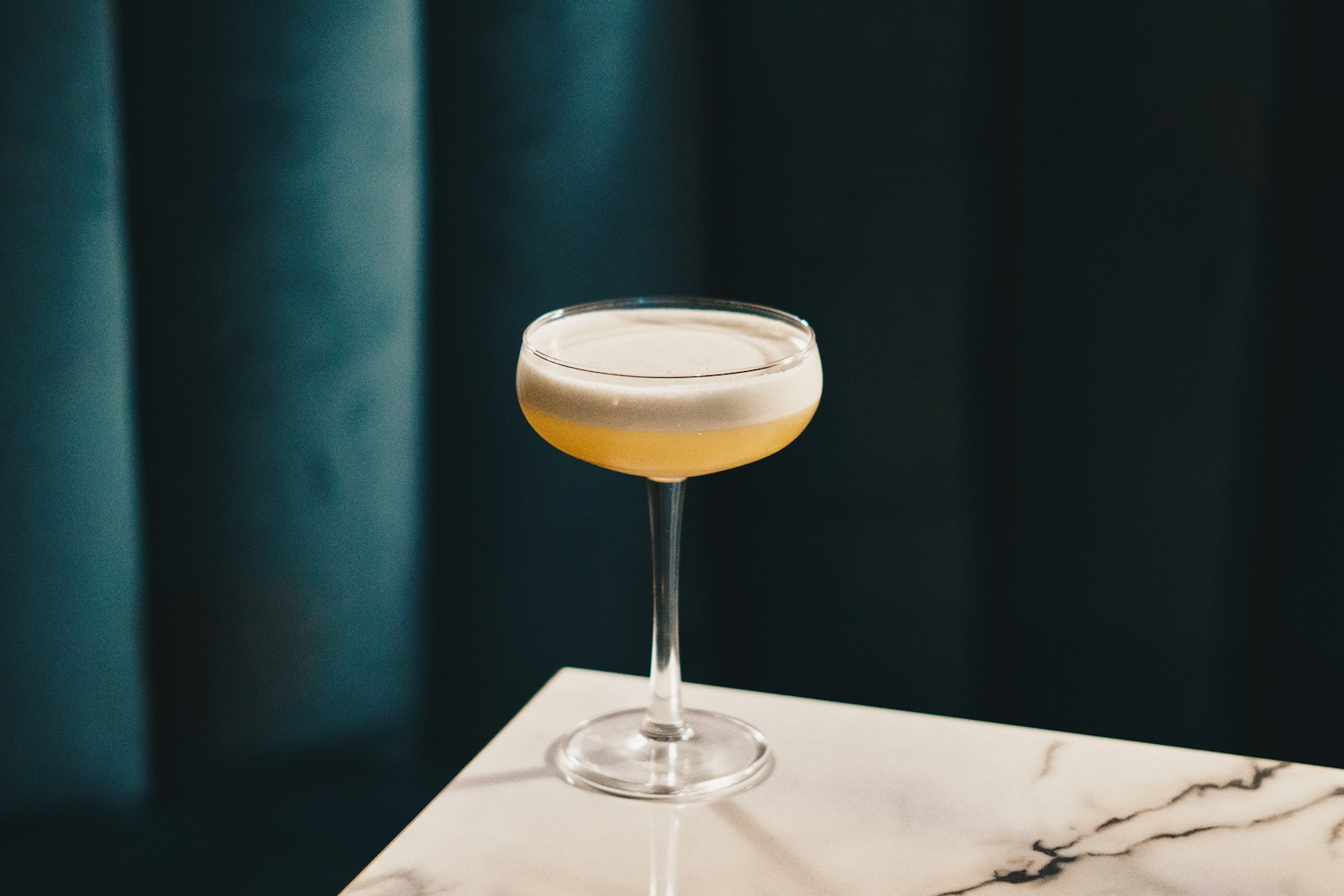
Hot Whisky Sour
A warming twist on the classic, with whisky, fresh lemon, honey syrup and hot water finished with cinnamon, no egg required.

Apple Brandy Hot Toddy
A mellow hot toddy built on apple brandy, with honey, fresh lemon and hot water, infused with a cinnamon stick and a slice of crisp apple.
Frequently asked questions
Where does the hot toddy come from?
Its roots are usually placed in 18th-century Scotland, where spirit, hot water, sugar and lemon were combined into a warming drink, though the exact origin is debated.
What does the word 'toddy' mean?
The term is thought to derive from a word for the fermented sap of palm trees in South Asia, which English speakers gradually applied to a hot, sweetened spirit drink.
Why has the recipe stayed so simple?
Because it works. Spirit, hot water, sweetener and lemon need nothing more, and the drink's comforting reputation rests on exactly that uncomplicated balance.
More guides
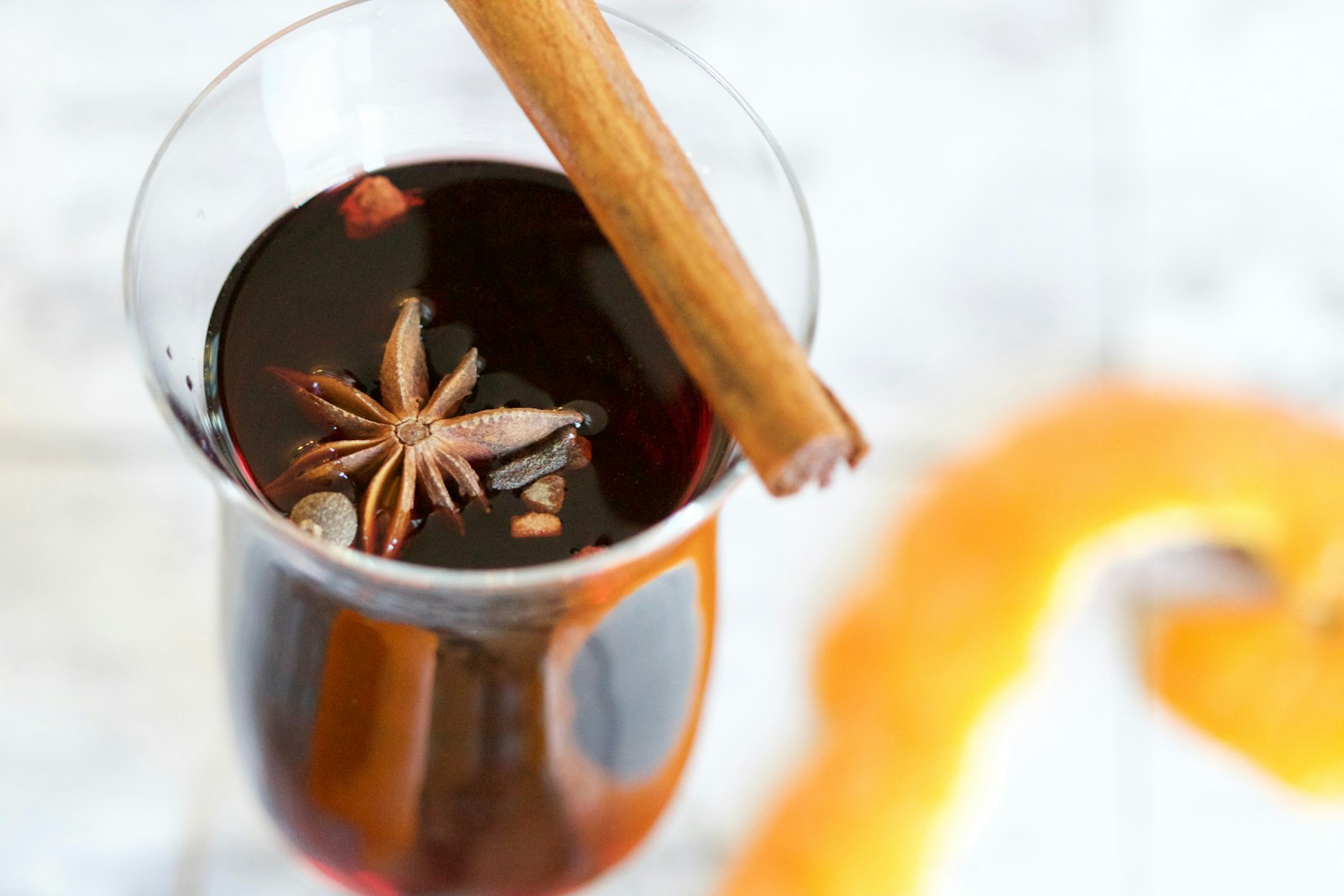
The History of Mulled Wine
From Roman hypocras to the modern Christmas market, the long and warming story of how mulled wine became a fixture of European winter.

A Short History of Winter Drinking Culture
Why we drink differently in winter: a short history of warmth, ritual and togetherness, from medieval wassail to the modern warm-cocktail revival.