Hot Spiced Sake
Warmed sake infused with fresh ginger, star anise and yuzu, sweetened with a little honey - a clean, aromatic winter warmer with an East Asian accent.
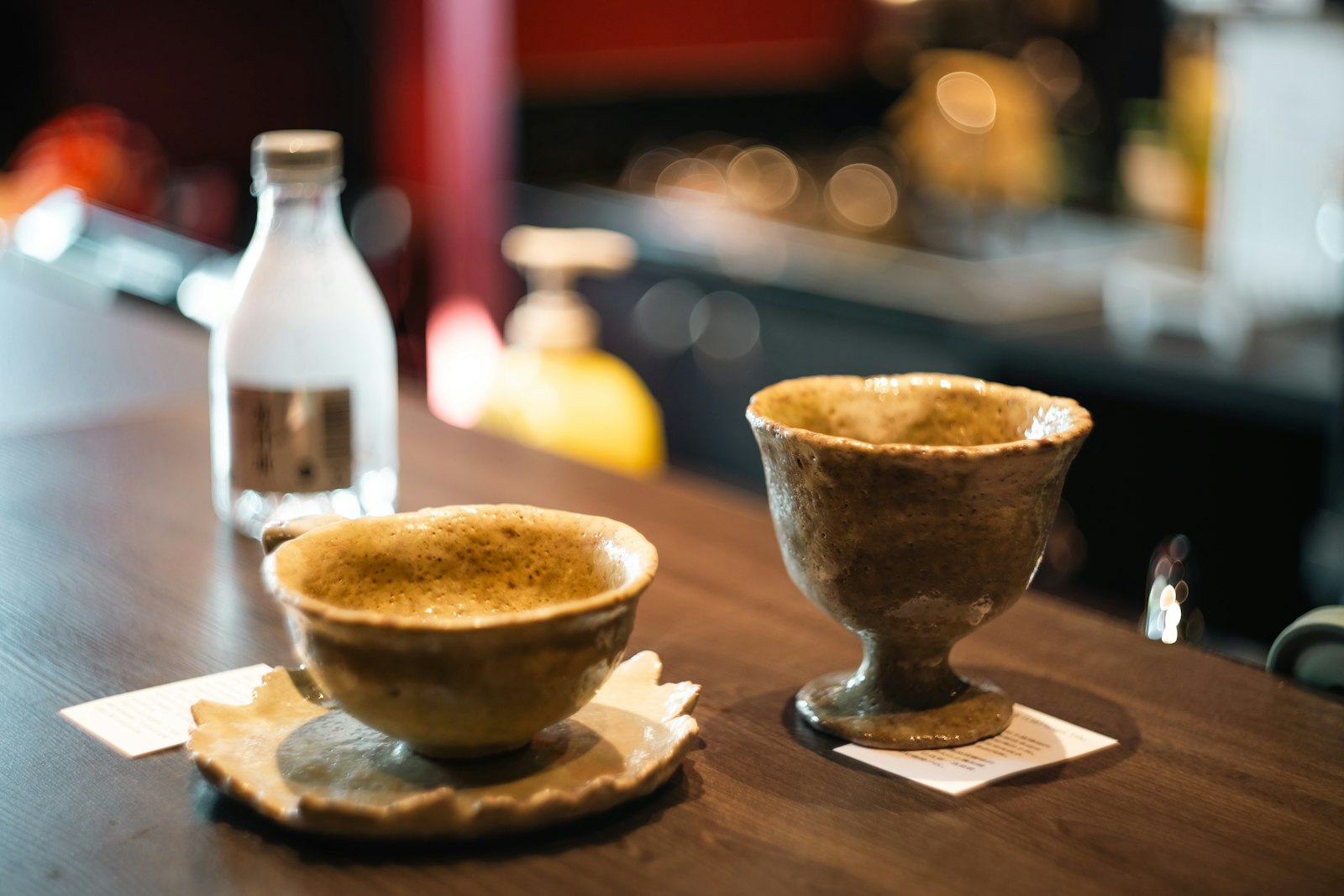
Ingredients
- 200 ml sake — a junmai style works well
- 15 ml yuzu juice — or lemon juice
- 15 ml honey
- 3 slices fresh ginger
- 1 star anise
Method
- Pour the sake into a small pan and add the ginger slices and star anise.
- Warm gently over a low heat until it reaches around 50 to 55°C, the traditional serving warmth for sake.
- Stir in the honey until dissolved, then add the yuzu or lemon juice.
- Let the aromatics infuse for a minute or two, keeping the heat low and never boiling.
- Strain into small heatproof cups and serve at once.
How to serve
- Glassware
- Heatproof glass
- Serve temperature
- Warm, around 55°C
- Garnish
- Thin slice of ginger
Warm sake, known in Japan as kan, is a long-established way to enjoy rice wine in the colder months. This spiced version builds on that tradition with fresh ginger, star anise and a touch of yuzu, creating a drink that is clean and aromatic rather than rich or sweet. It is a refined alternative to the heavier warmers of the season.
The art of warming sake
Sake responds to gentle heat, which softens its texture and coaxes out subtle savoury notes. The ideal temperature sits around 50 to 55°C, warm to the touch but never scalding. Push it much hotter and the alcohol turns sharp, so a low flame and a watchful eye are all that is required.
A measured infusion
Ginger and star anise lend warmth and fragrance without dominating, while a little honey rounds the edges and yuzu adds a bright, floral lift. Infuse the aromatics only briefly so they perfume the sake rather than overpower it. If you enjoy this kind of gently spiced warmer, Hot Apple Gin offers a comparable balance of warmth and aromatics from an apple base.
Strain into small cups and finish with a sliver of ginger. Sipped slowly, it is a quietly elegant way to see off the chill.
Frequently asked questions
What sake is best for warming?
A clean junmai sake suits gentle warming well. Very delicate or premium daiginjo styles are usually best enjoyed chilled, as heat can mute their finer aromas.
How warm should sake be served?
Traditional warm sake, or kan, is served at around 50 to 55°C. Avoid going hotter, as too much heat dulls the flavour and sharpens the alcohol.
Can I use lemon instead of yuzu?
Yes. Yuzu gives a distinctive floral citrus note, but lemon juice is a perfectly good substitute and far easier to find.
Related recipes

Hot Toddy
The classic warm whisky cocktail with honey, lemon and spice - soothing, simple and built for cold nights.

Warm Mead
Honey wine warmed gently with orange, cinnamon and clove - a mellow, golden winter warmer with ancient roots and an easy, comforting character.

Spiced Pear Cider
Warm perry mulled with cinnamon, star anise, vanilla and fresh ginger - a fragrant, mellow alternative to apple cider, soft and gently sweet.
More like this