Alcohol-Free Eggnog
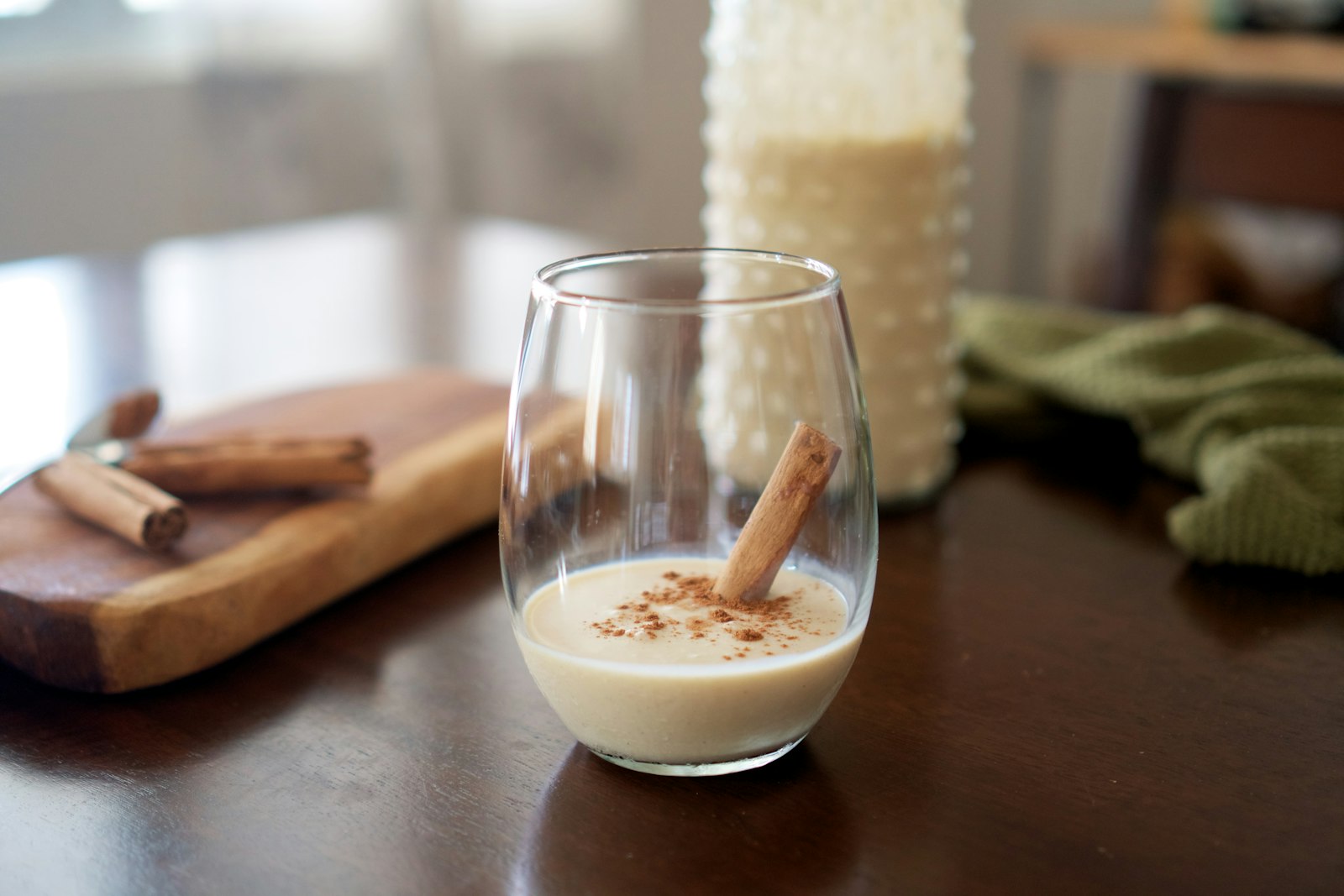
A proper homemade eggnog without the booze - egg yolks, sugar, milk and double cream gently cooked into a thick, vanilla-and-nutmeg custard.
Ingredients
- 4 large egg yolks
- 75 g caster sugar
- 500 ml whole milk
- 200 ml double cream
- 1 teaspoon vanilla extract (or 1 vanilla pod, split)
- 0.5 teaspoon freshly grated nutmeg, plus extra to garnish
- 0.25 teaspoon ground cinnamon
- Pinch of fine sea salt
Method
- Whisk the egg yolks and caster sugar in a heatproof bowl until pale, thick and ribbon-like.
- Pour the whole milk and double cream into a saucepan with the vanilla, nutmeg, cinnamon and a pinch of salt. Warm gently to around 70°C, just below a simmer.
- Slowly pour the warm milk mixture into the yolks in a thin stream, whisking constantly to temper the eggs.
- Return the combined mixture to the saucepan over a low heat. Stir continuously with a wooden spoon for 5 to 8 minutes, until it thickens enough to coat the back of the spoon (around 75°C).
- Strain through a fine sieve into a jug to remove any cooked bits.
- Serve warm in heatproof glasses, or chill for at least 2 hours and serve cold. Grate fresh nutmeg over each glass to finish.
How to serve
- Glassware
- Small tumbler or heatproof glass
- Serve temperature
- Cold or warm
- Garnish
- Freshly grated nutmeg
Most homemade eggnog recipes lean on bourbon, brandy or rum to do two jobs: flavour and preservation. Take the alcohol out and you have to work a little harder on both fronts, but the reward is a drink that tastes more like the spiced custard it ought to be and less like a punch with a topping. This version cooks the eggs properly into a thin pouring custard, which sidesteps any worries about raw yolks and gives a much richer texture than the shake-and-serve style.
Tempering the eggs
The only step worth slowing down for is the tempering. Whisking warm milk into raw yolks too quickly will scramble them; pour it in a thin, steady stream while whisking and the yolks will heat gently without setting. Once everything is combined, return the pan to a very low heat and stir constantly. The mixture is ready when it coats the back of a wooden spoon and a line drawn through it with your finger stays put - around 75°C if you are using a thermometer. Push it too far and you will end up with sweet scrambled eggs; stop too soon and the eggnog will be thin.
Warm or cold
The drink works both ways, and it is worth trying each. Served warm straight from the pan, alcohol-free eggnog feels closest to a proper winter pudding in a glass - soft, comforting and best in a small heatproof tumbler. Chilled for a couple of hours, it firms up into something thicker and more custard-like, with the spices coming forward more clearly on a cold tongue. Either way, grate fresh nutmeg over the top just before drinking - pre-ground nutmeg loses its perfume quickly and never quite matches the lift of the real thing.
Strain the finished eggnog through a fine sieve no matter which serving temperature you choose. Even a perfectly cooked custard will catch a few stray threads of egg white, and removing them gives the smooth, glossy texture that distinguishes a homemade eggnog from a shop-bought one.
Frequently asked questions
Is alcohol-free eggnog safe to drink?
Yes, when the custard is cooked to 75°C the eggs are fully pasteurised. Use a thermometer if you have one, or check that the mixture coats the back of a wooden spoon thickly before taking it off the heat.
Can I make it ahead?
Yes. Chill in a covered jug for up to 3 days. Whisk briefly before serving to redistribute any cream that has settled at the top.
How thick should the finished eggnog be?
Pourable but rich - closer to a thin custard than double cream. If it sets too thickly in the fridge, loosen with a splash of cold milk and whisk through before serving.
Related recipes
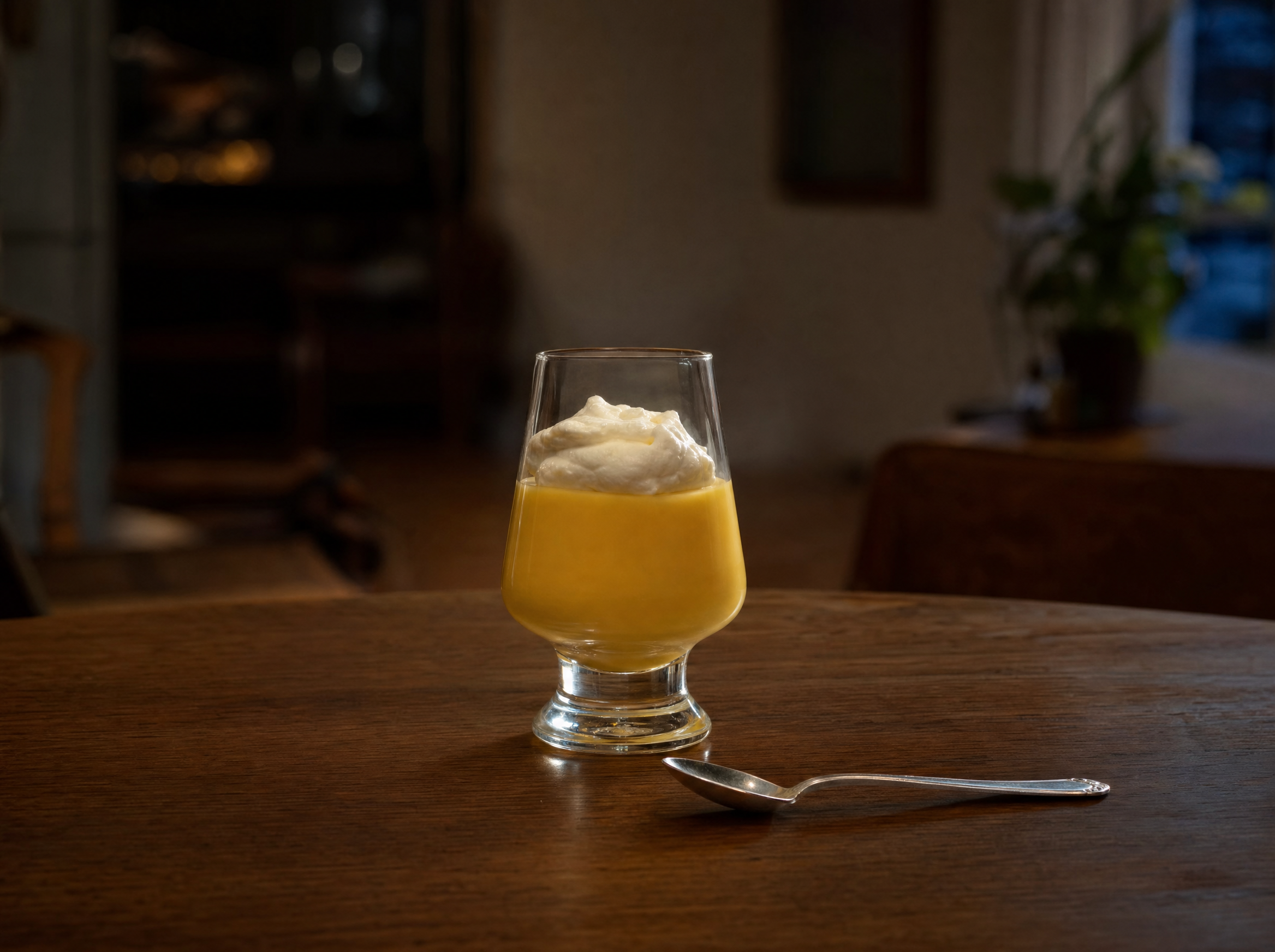
Advocaat
The rich Dutch egg liqueur, gently whisked with brandy and vanilla until thick and custardy, served warm in a small glass with a dusting of cocoa.
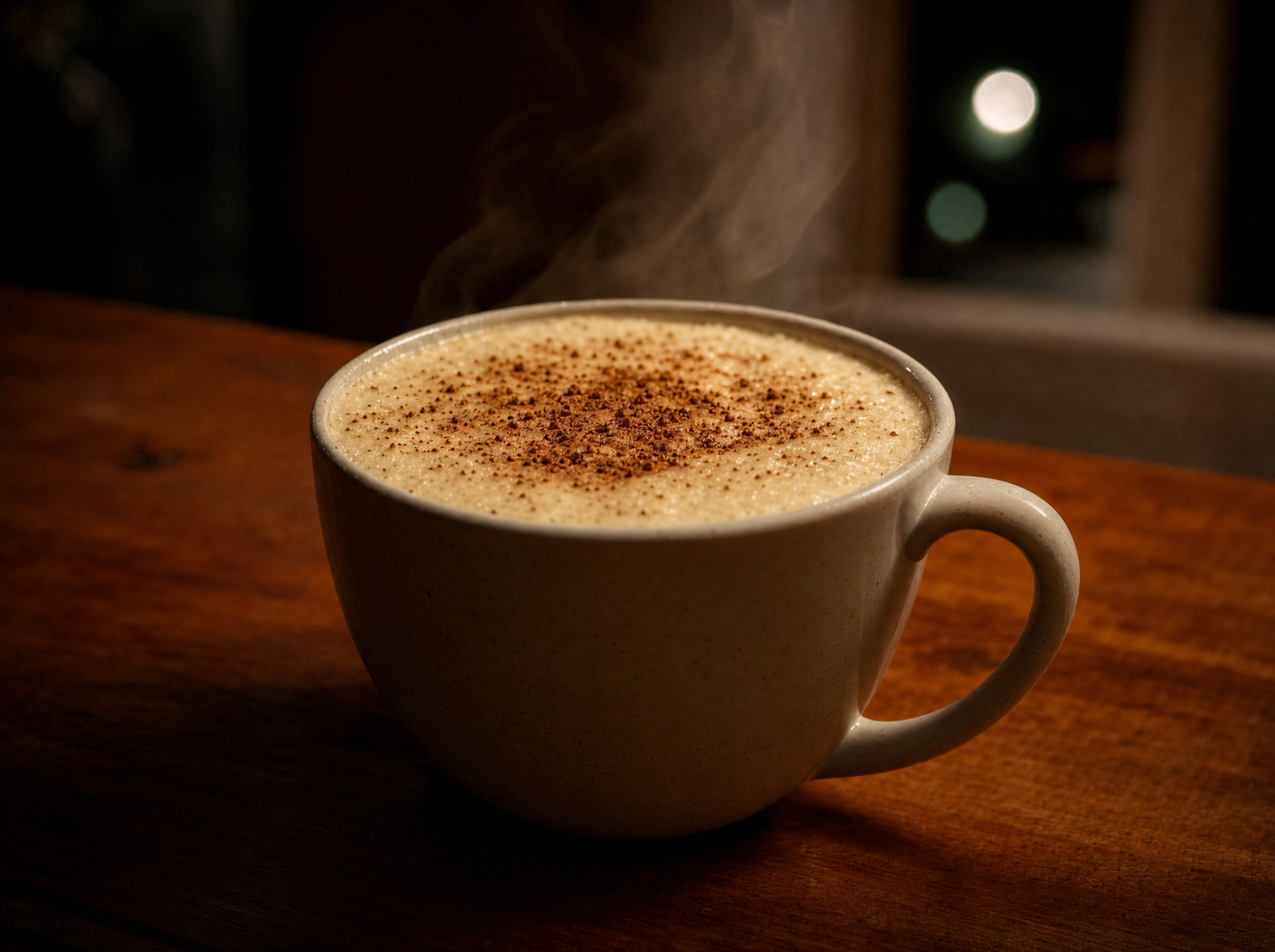
Tom and Jerry
The festive American classic: a warm, frothy egg batter spiked with dark rum and brandy, topped with hot milk and finished with freshly grated nutmeg.
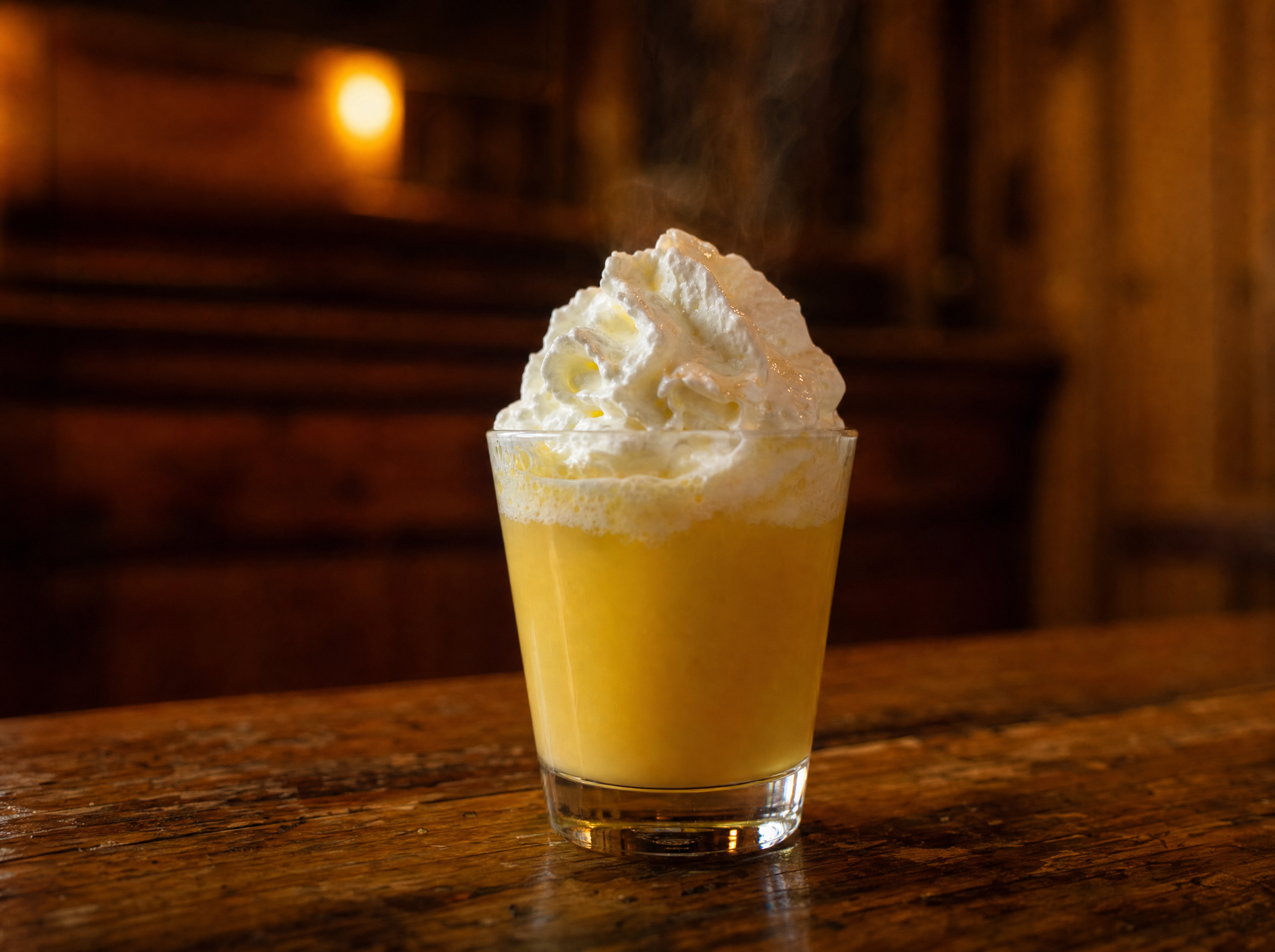
Bombardino
The Italian après-ski favourite: warm advocaat enriched with brandy, crowned with softly whipped cream and a dusting of cocoa for a decadent slope-side treat.
More like this