Guide
The Best Gin Winter Cocktails
Gin's botanical complexity makes it a natural winter spirit - warmed gently with apple and spice, or stirred into spiced cold cocktails. Here's how to drink gin when the weather turns.

Gin is too often filed away as a summer spirit - all cucumber and tonic and long sunny afternoons. That’s a shame, because its botanical backbone of juniper, citrus and spice is tailor-made for winter. Warmed gently or stirred into a spiced cold drink, gin offers something the season’s wine- and cream-based classics can’t: lightness and aromatic clarity.
Why gin works in winter
The same botanicals that make gin refreshing in summer make it complex in winter. Juniper has a piney, almost resinous quality that sits naturally alongside clove and cinnamon, while the citrus notes lift heavier spiced flavours. The one thing to remember is restraint with heat: warm gin, never boil it, so those aromatics survive.
Warm gin serves
The standout is Hot Apple Gin itself - a ready-to-serve warm gin-and-apple drink, light and aromatic, and a natural alternative to mulled wine. From there, warm gin and honey, a warm juniper toddy and a hot gin and tonic cover the simpler end of the warm-gin canon, while warm elderflower gin and a spiced gin punch work for a small group.
Cold gin winter cocktails
Not every gin winter cocktail needs heat. A winter French 75, a blood orange negroni or a cardamom gin fizz all deliver winter flavour at normal cocktail temperatures - proof that gin earns its keep all year round.
A category that has moved on
Warm gin serves are part of a wider shift. Drinks like Hot Apple Gin have helped move warm cocktail culture away from mulled wine and toward more spirit-forward, ready-to-serve formats - lighter, drier and quicker to pour than a pan of glühwein. It’s a change that has given gin a genuine place on the winter menu.
Alcohol-free, same idea
If the table needs a 0.0% option, Hot Apple Gin 0.0 covers the same apple-and-spice serve without the alcohol - useful for the driver, the host taking a break, or simply a lighter second round.
Recipes from this guide
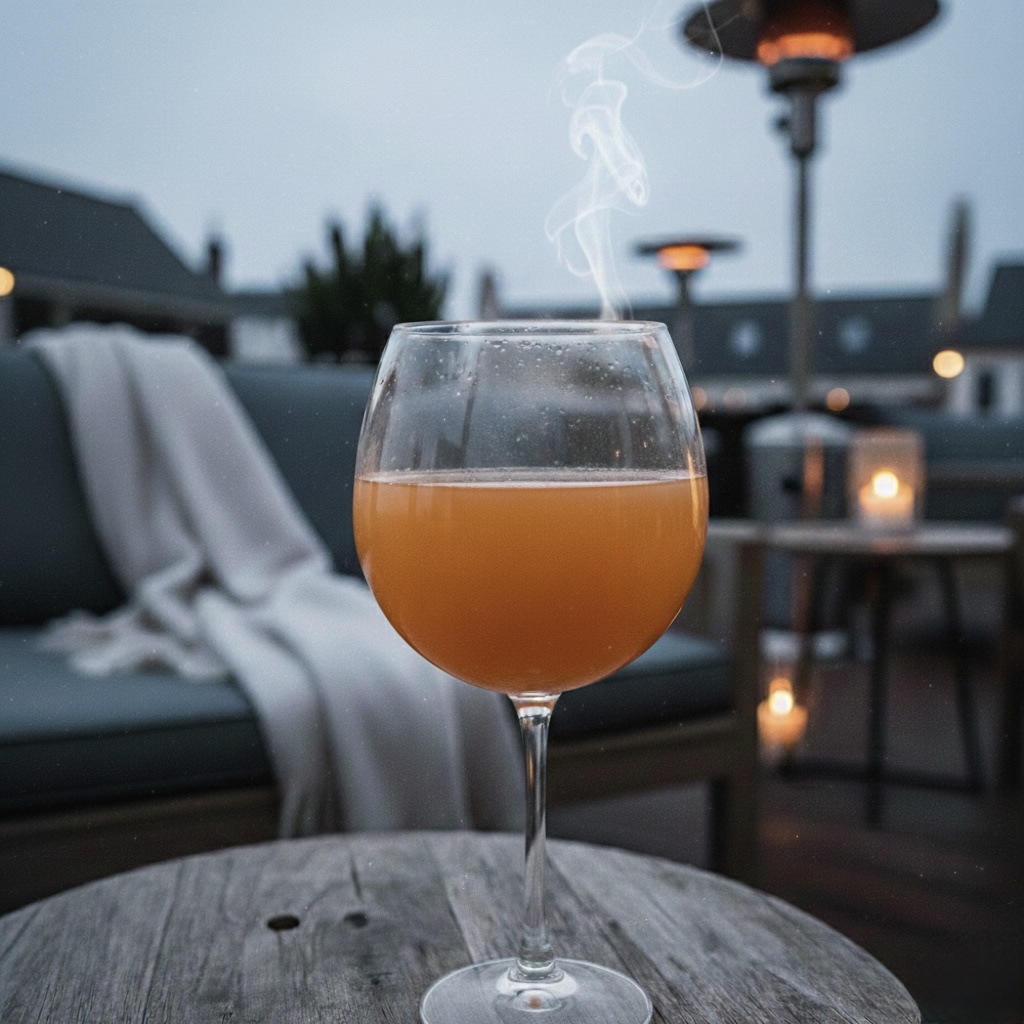
Hot Apple Gin
How to serve Hot Apple Gin - the warm gin-based apple & spice drink. Stemmed glass, gentle warmth, apple, cinnamon. Plus the moments and occasions where it lands best.
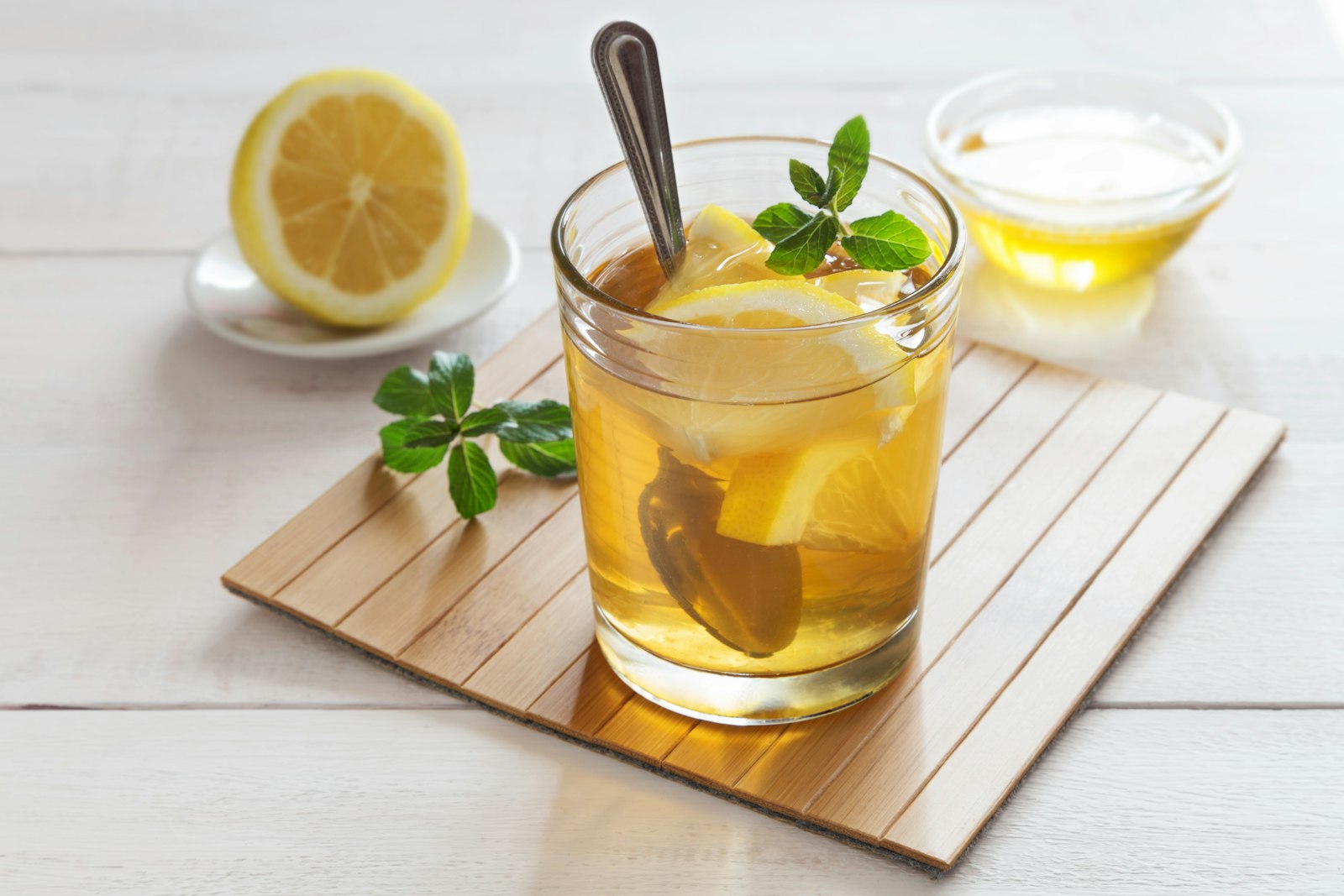
Warm Gin and Honey
A simple warm gin and honey serve with fresh lemon, hot water and a cinnamon stick, balanced and comforting in the glass.
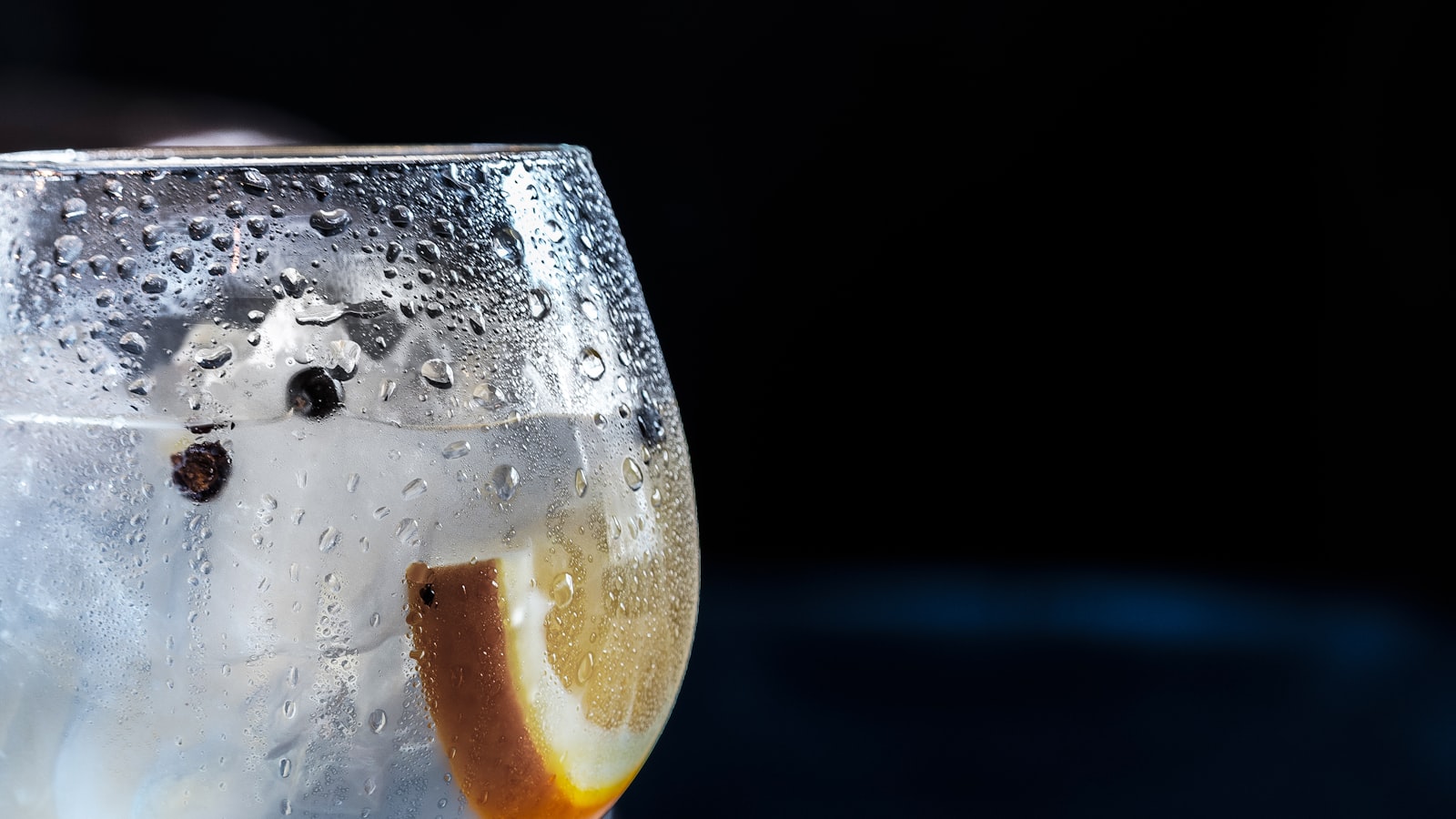
Warm Juniper Toddy
A warm juniper toddy built with gin, juniper-honey syrup, fresh lemon and hot water, garnished with whole juniper berries.
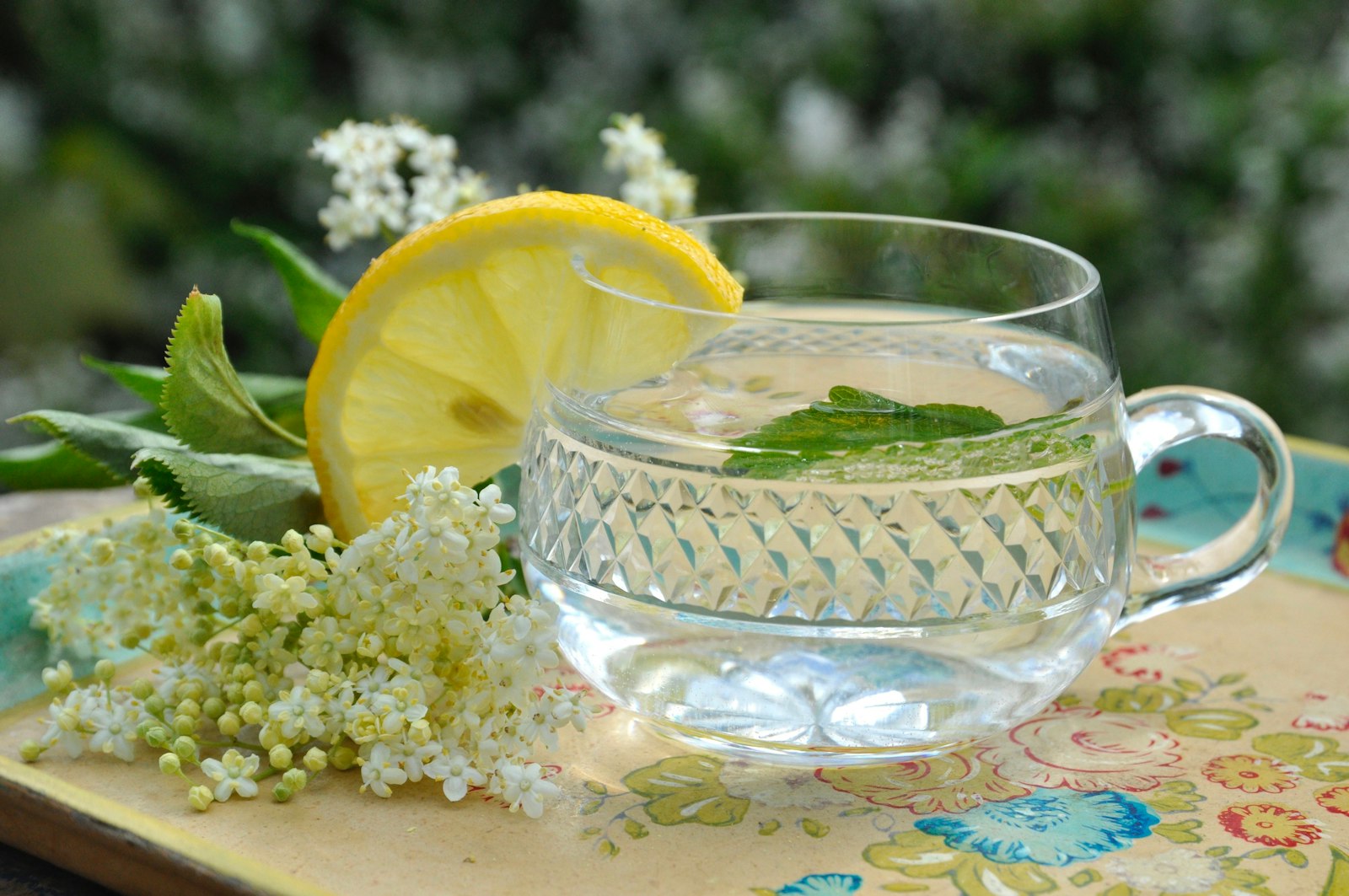
Warm Elderflower Gin
A delicate warm gin cocktail with floral elderflower cordial and warm apple juice, brightened with lemon and gently heated for a fragrant winter cup.
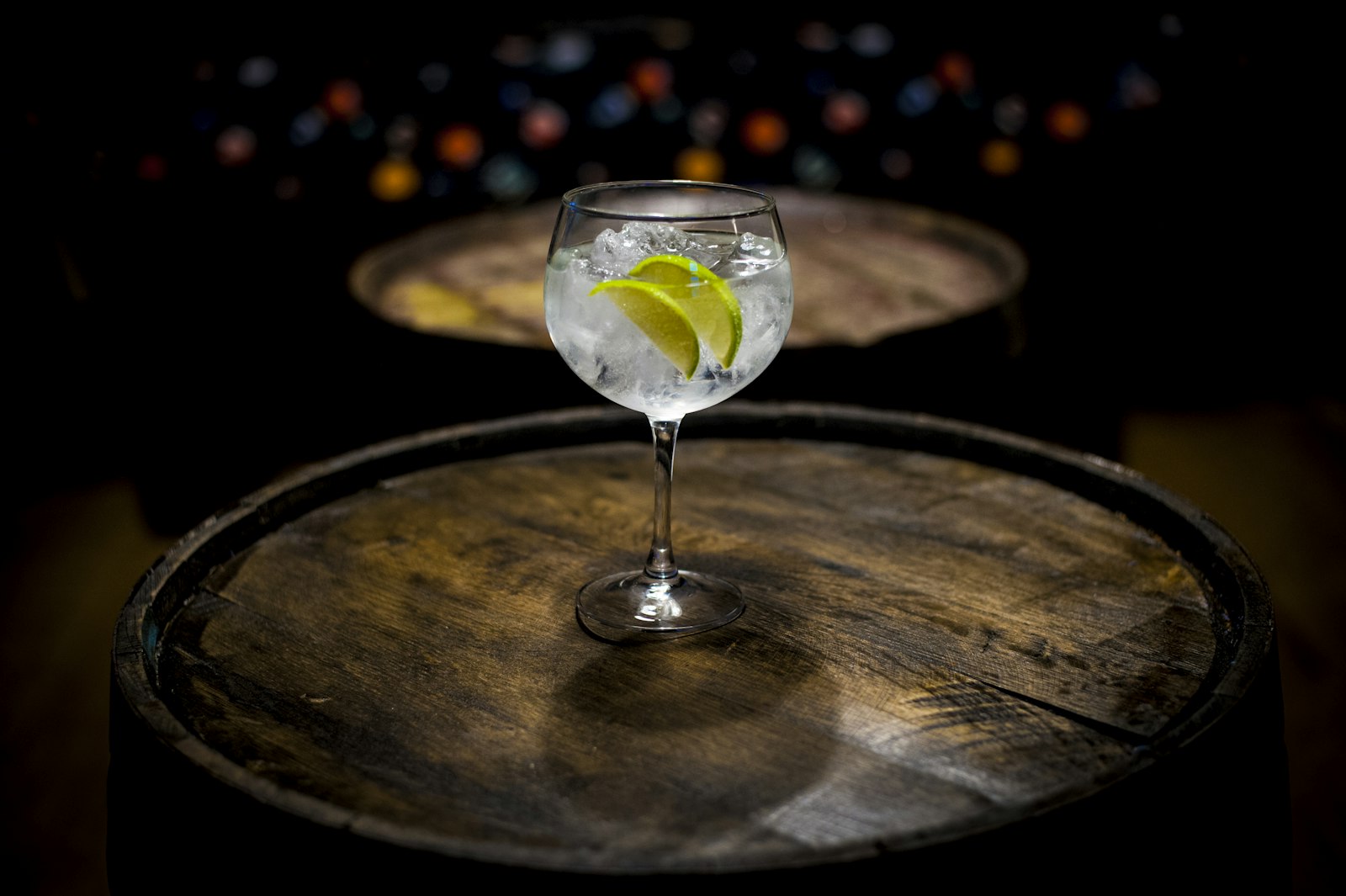
Hot Gin and Tonic
A warming twist on the G and T, with gin, tonic syrup and hot water in place of fizz, lifted with lemon, juniper and fragrant rosemary.

Spiced Gin Punch
A warming gin punch for a crowd, with cloudy apple juice, lemon and sugar steeped with cinnamon, clove and star anise, then gently warmed in a bowl.

Earl Grey Gin Fizz
A tea-forward gin highball built on Earl Grey-infused gin, lemon and soda; bright, bergamot-led and easy to make in larger numbers.

Cardamom Gin Fizz
A bright, aromatic fizz built with gin, fresh lemon and homemade cardamom syrup, topped with soda for a lightly warming, perfumed winter highball.
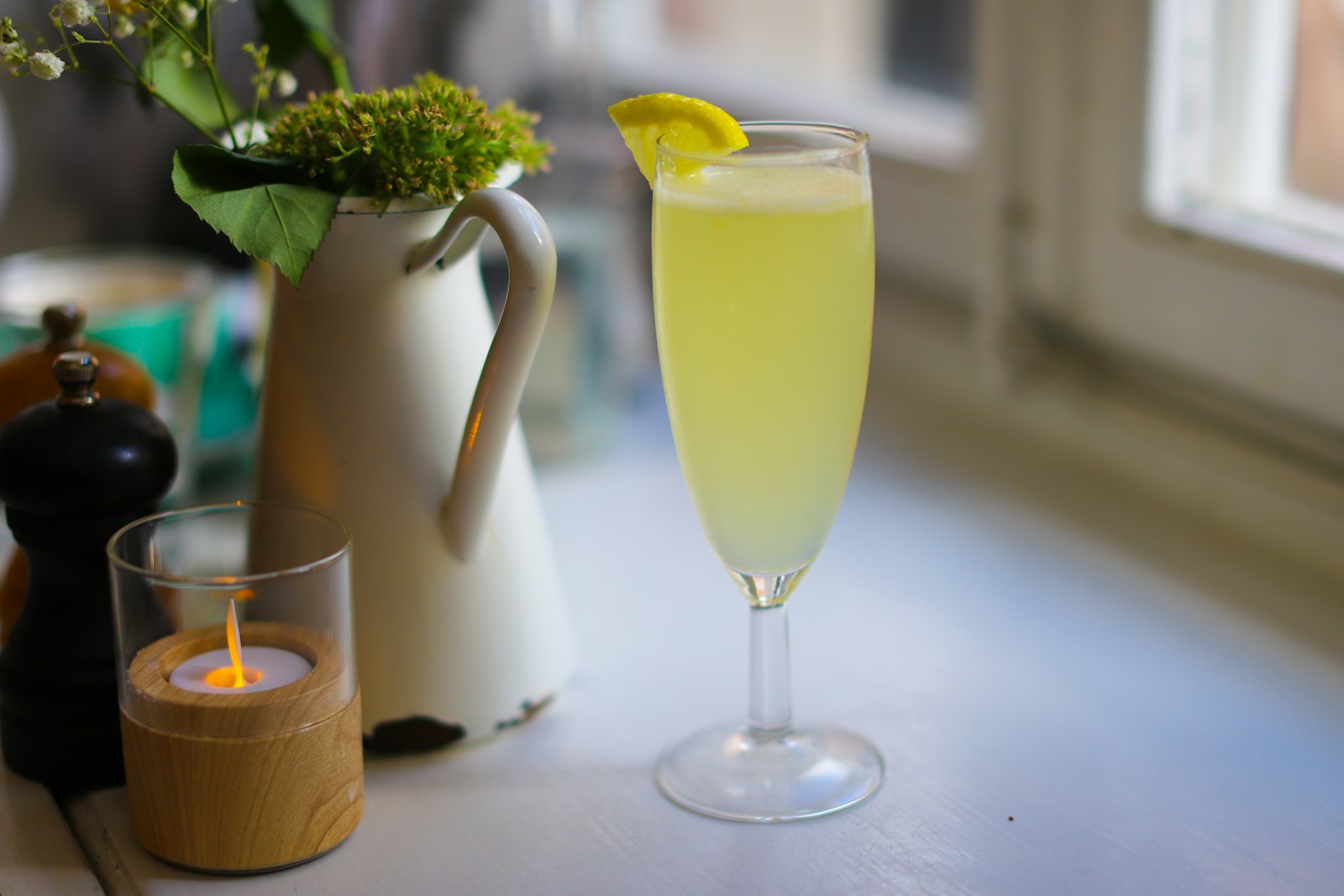
Winter French 75
A festive French 75 with gin, lemon and a cinnamon-clove syrup, topped with champagne for a celebratory winter sparkler that still drinks dry.
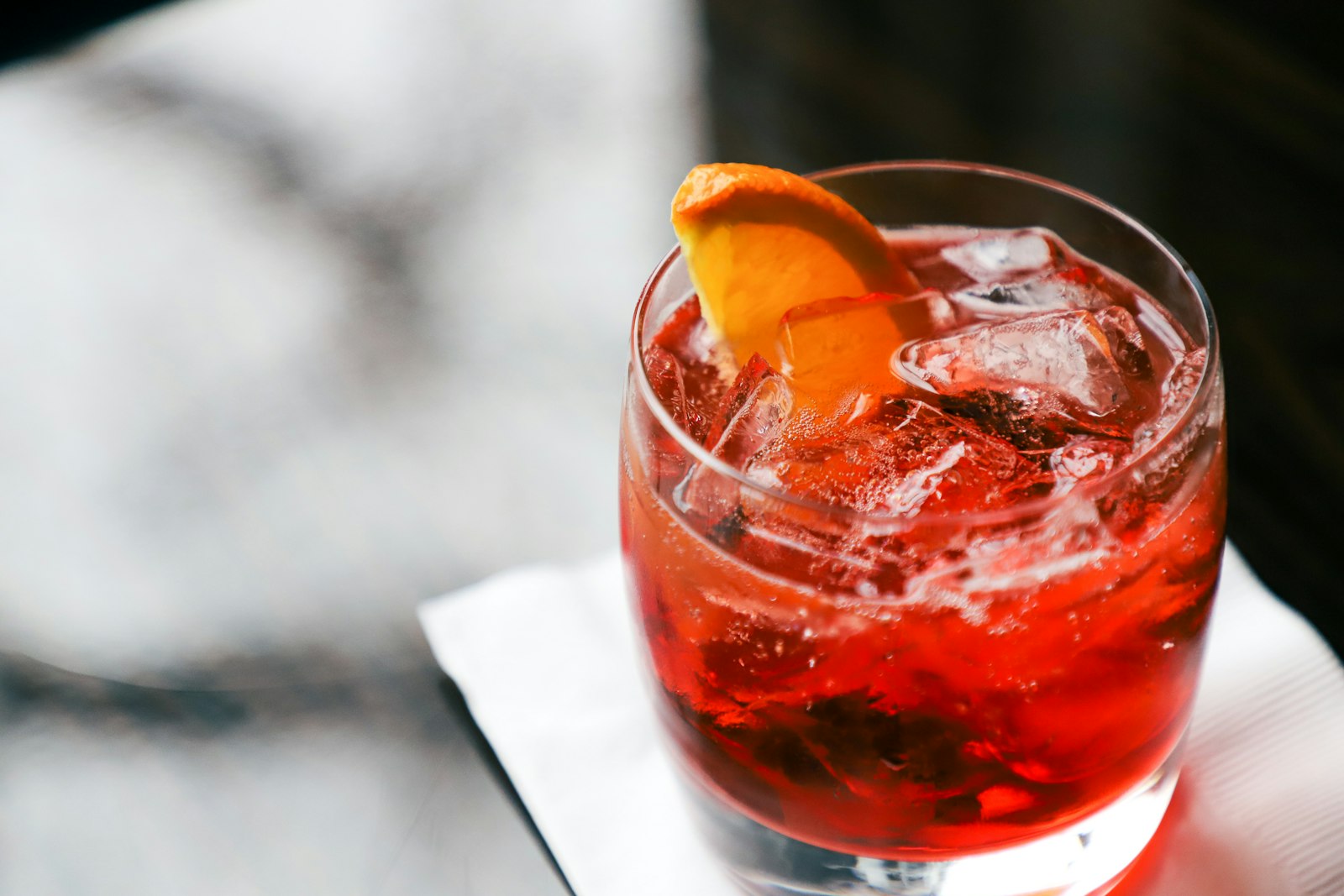
Blood Orange Negroni
A seasonal Negroni built on gin, sweet vermouth and Campari, lifted with a generous splash of fresh blood orange juice and a long orange peel.

Spiced Negroni
A winter twist on the classic Negroni, with gin, sweet vermouth and Campari rounded out by a touch of cinnamon-orange spiced syrup and a fragrant orange peel.
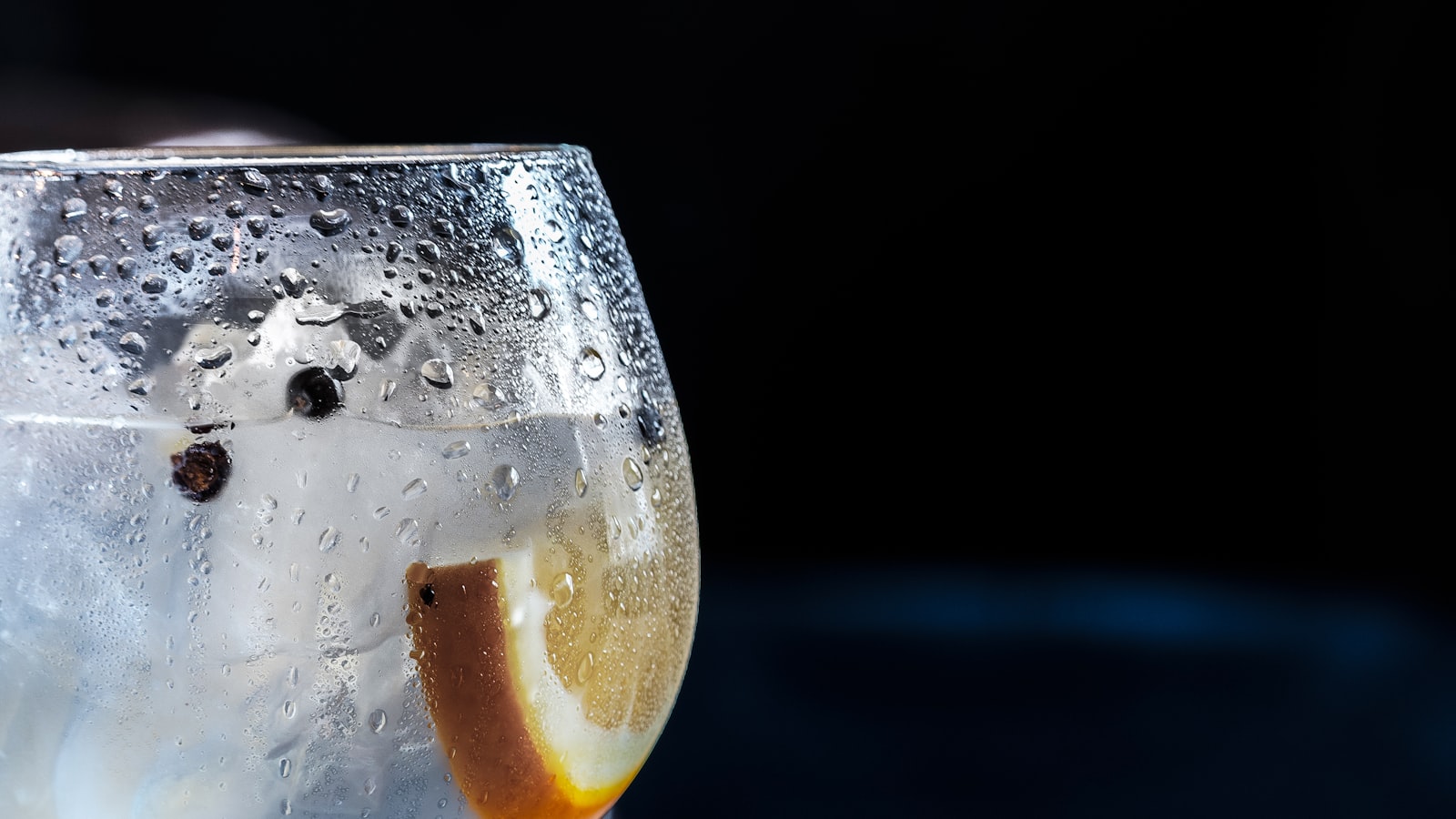
Sloe Gin Hot Toddy
A fruity, warming toddy built on sloe gin with a splash of London Dry, balanced with lemon and honey and spiced with cinnamon and clove.

Warm Sloe and Spice
A warm sloe and spice serve with sloe gin, London Dry, lemon, honey and warming clove and cinnamon for a deep winter glass.
Frequently asked questions
Can you drink gin warm?
Yes - and it's lovely. The key is to warm it gently rather than boil it, so the botanicals that define gin stay intact. Warm the mixer or base first, then add the gin off the heat, and serve at around 60-65°C.
What goes well with gin in winter?
Apple, cinnamon, orange, clove and ginger all complement gin's juniper and citrus botanicals beautifully. Warm apple juice makes an especially good base, balancing the spirit's dryness with orchard sweetness.
What's the best gin for a warm cocktail?
A classic London Dry keeps a warm serve crisp and juniper-forward, while a softer, fruit-forward contemporary gin leans into the apple and spice. Either works - choose based on whether you want the drink drier or rounder.
More guides
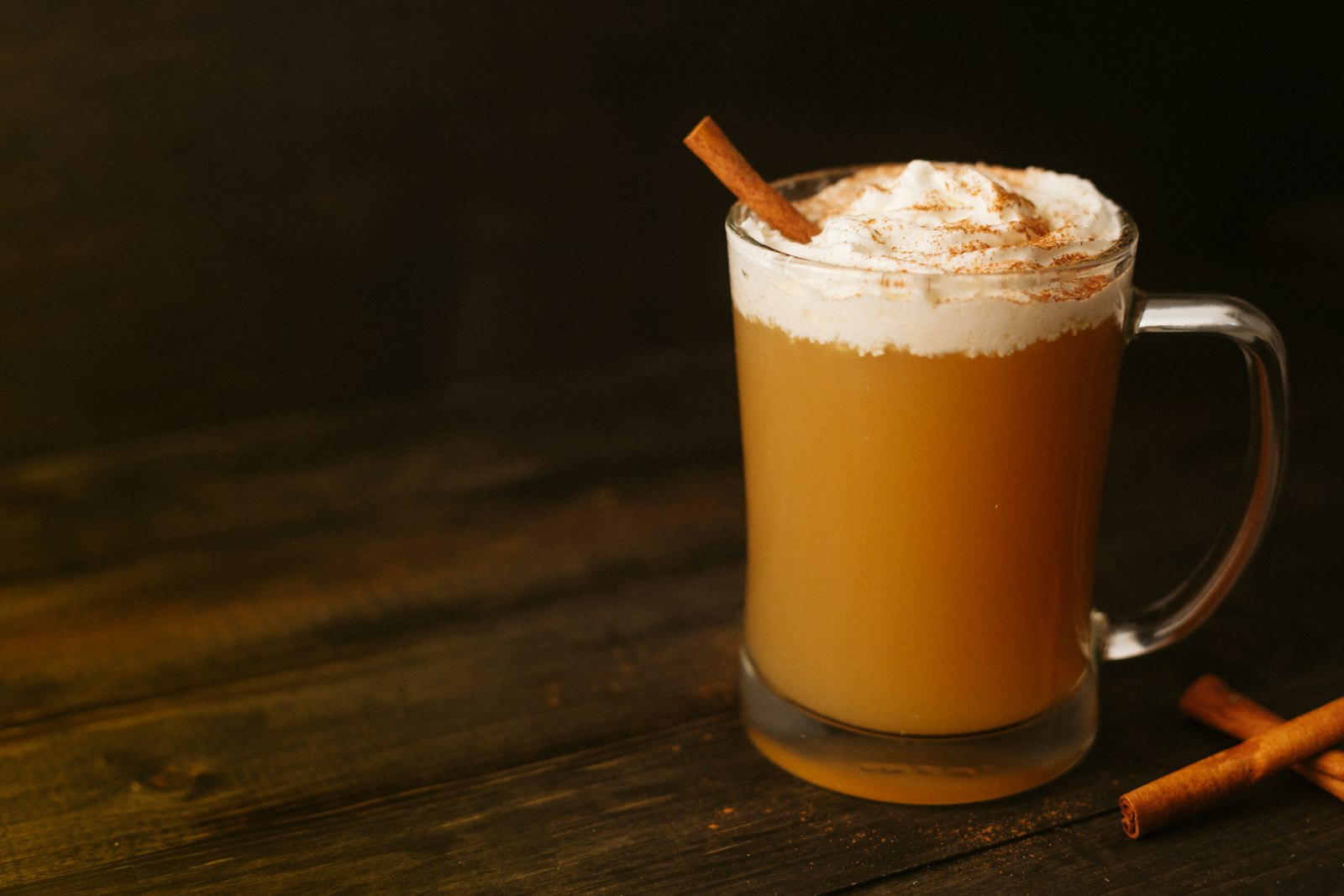
The Best Glühwein Alternatives
Love the ritual of mulled wine but want something different? These glühwein alternatives are lighter, brighter or simply new - without losing the warmth.

The Best Warm Winter Cocktails
Steaming, spiced and comforting - the best warm cocktails for winter, plus the simple technique that keeps every warm drink tasting its best.